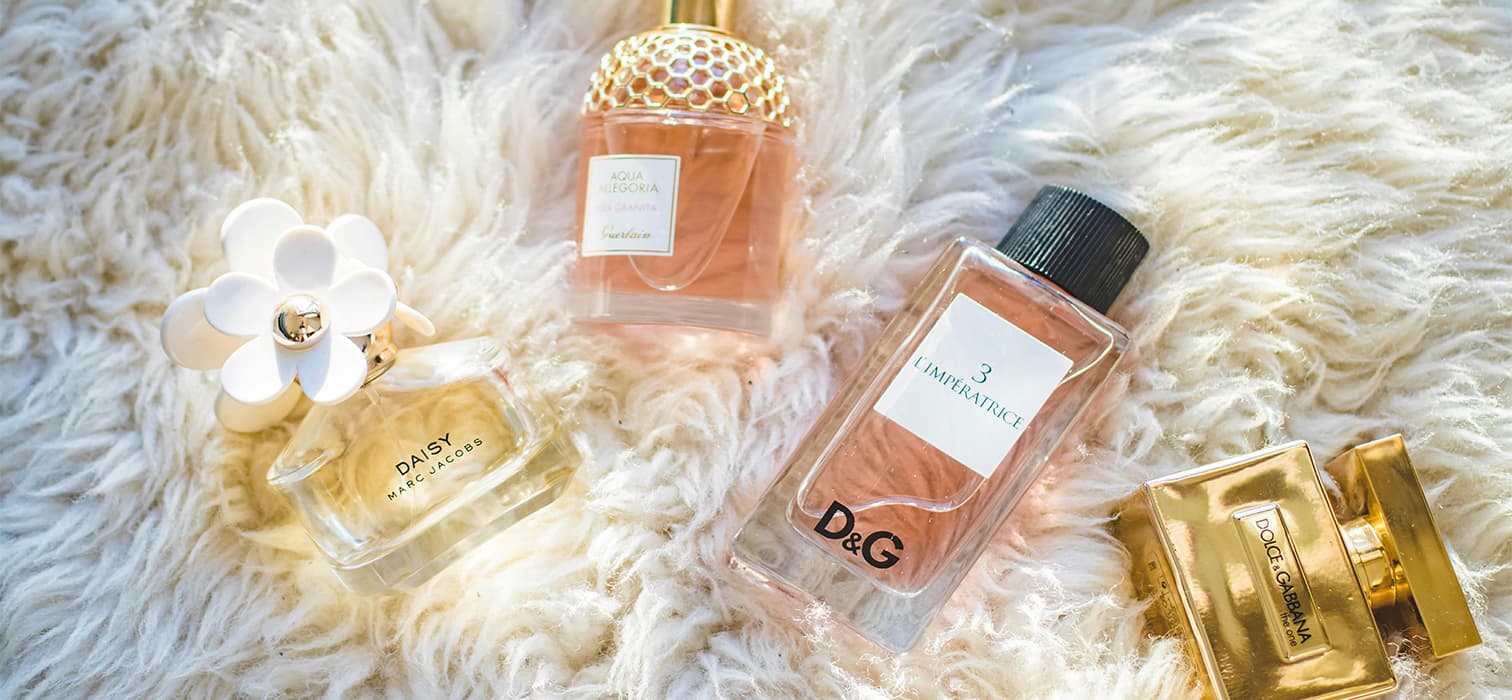
Some are myths, some are false. Leave aside what you know about perfume! Under the guidance of Derya Türkan, the creator of the Dance with Perfume account, we explore the world of perfume and examine 9 misconceptions you need to know about perfumes.
After applying perfume, you should rub your skin.
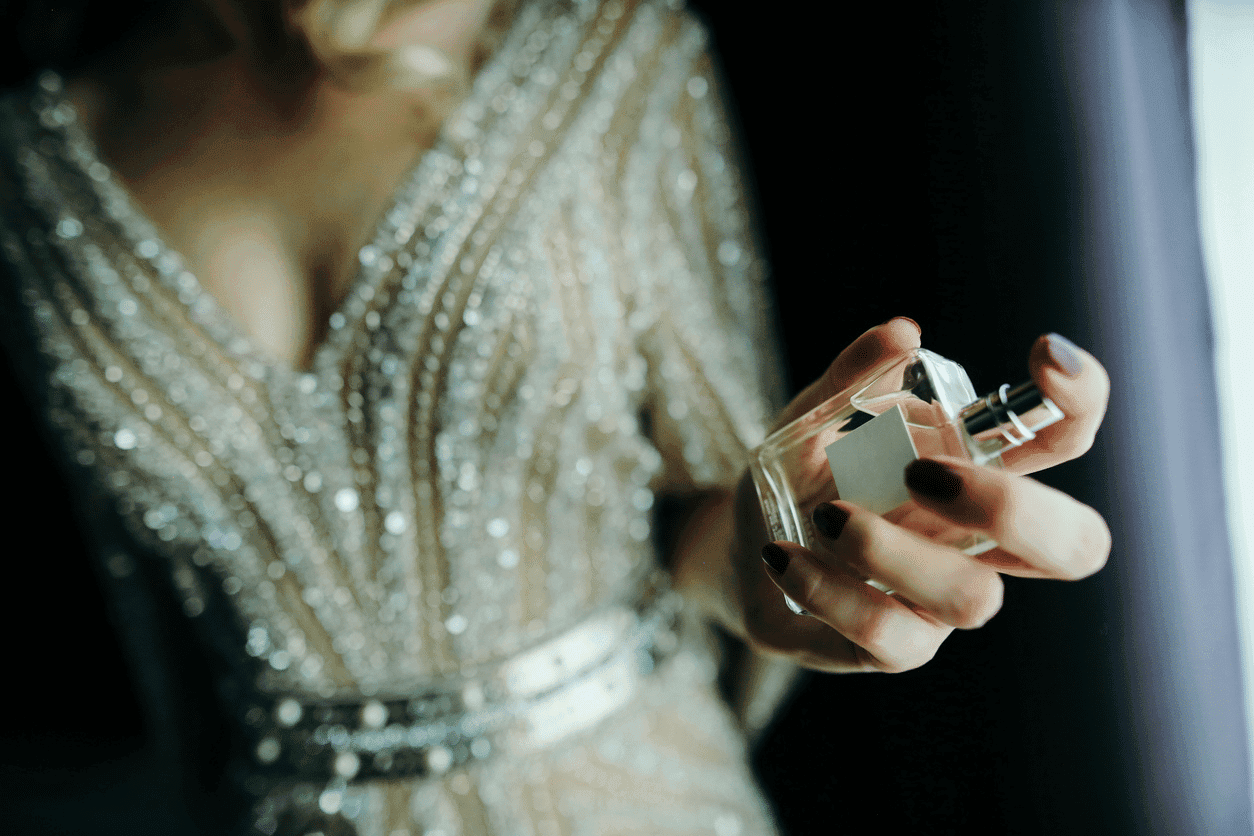
Perfumes consist of top, middle and bottom notes. When you rub your skin after applying perfume, you warm this area and cause the top notes, which are the first notes of the perfume, to mix into the air faster, or even cause you to skip that part. Leaving your skin alone instead of rubbing it will allow you to smell all phases of the perfume.
Behind the ear is one of the ideal areas for applying perfume.
Since we have oil glands behind the ear, this area is not the right place to apply perfume. Since this area has a unique smell, mixing it with perfume will not give good results. It is better to spray it under the ear instead of behind the ear.
It is necessary to choose perfume according to skin color (wheat/dark/white skin).
There is a common belief that perfumes will react and smell differently depending on different skin colors. However, perfumes do not vary greatly depending on skin color; such choices are entirely the result of cultural factors. The most important parameter about our skin is whether our skin is oily or dry. While perfumes last longer on oily skin, perfumes last shorter on dry skin.
The expiration date of perfumes is 2 years from the year they were produced.
Some perfume boxes have 24M written on the back. This article refers to the expiration date of perfumes, which says that they should be consumed within 24 months after starting to use them. However, it is possible to keep your perfumes intact for longer periods of time if you keep them in their boxes in a cool, closed and dark place, away from direct sunlight or heat sources, and do not change your storage conditions.
The only difference between different concentrations of a perfume (EDC, EDT, EDP and Extrait de Parfum) is longevity.
Concepts such as “EDC, EDT, EDP and Extrait de Parfum” refer to the essential oil ratio in the perfume. As the amount of essential oil in the perfume increases, the permanence of the perfume increases. But longevity is not the only difference between different concentrations of a perfume. Most of the time, some changes are made in the content and different concentrations of the same perfume can have different odors.