2025 Fashion Report
The new mission of 21 designers set to shape fashion’s coming years, the Labubu craze, red-carpet fetish games, and the world’s most expensive bag…
2025 Fashion Report
The Great Reset in Fashion
In 2025, the fashion industry resembled an entire season of Succession. The only difference? Instead of Logan Roy, the real power players behind the scenes were LVMH, Kering, and Richemont. The question that hovered over the industry was simple yet existential: How much longer could fashion houses rely on their heritage alone? September brought us the debut collections of 16 designers from 15 major fashion houses; add the new names from March, and that number rises to 21. That’s nearly half of the entire industry redefining itself in a single year—especially the houses that traditionally set the direction: Chanel, Dior, Gucci, Givenchy…
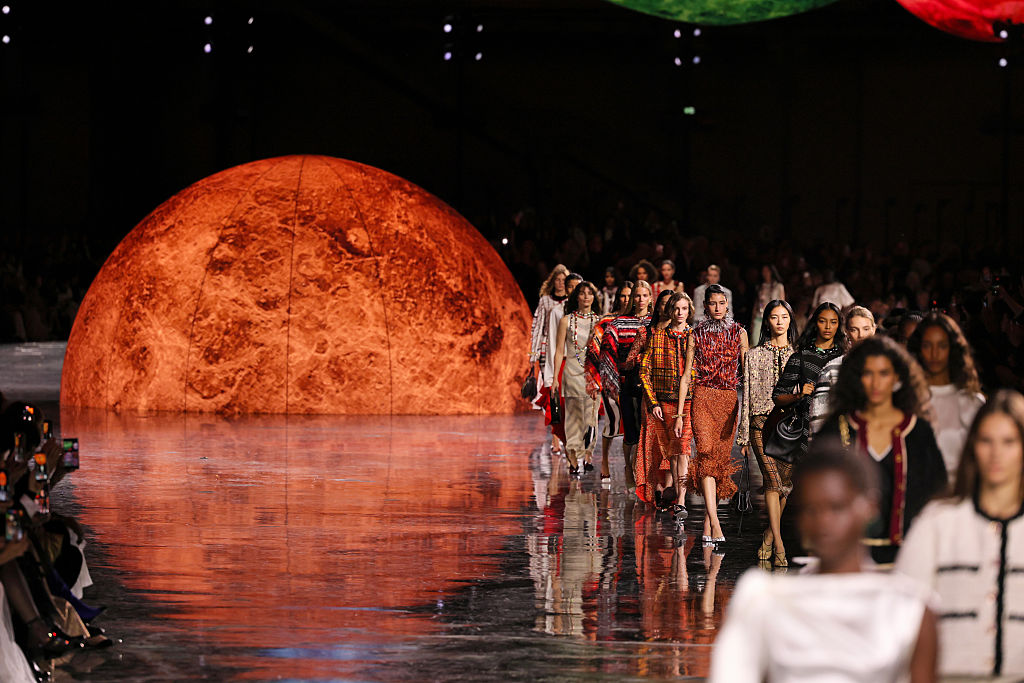
Chanel’s departure from Virginie Viard and its search for a new creative director became a telling symbol of this larger shift. No Maison—regardless of its legacy, scale, or prestige—is immune when it loses its creative voice. And yet, by the end of fashion month, many applauded what they saw: Matthieu Blazy’s Chanel show became the event of the year; Jonathan Anderson and Sarah Burton received extended standing ovations; Meghan Markle appeared front row at Balenciaga for Pierpaolo Piccioli. Only Duran Lantink’s Jean Paul Gaultier couture was met with criticism—perhaps because he leaned too heavily into conceptual art rather than wearable fashion.
Versace’s New Home
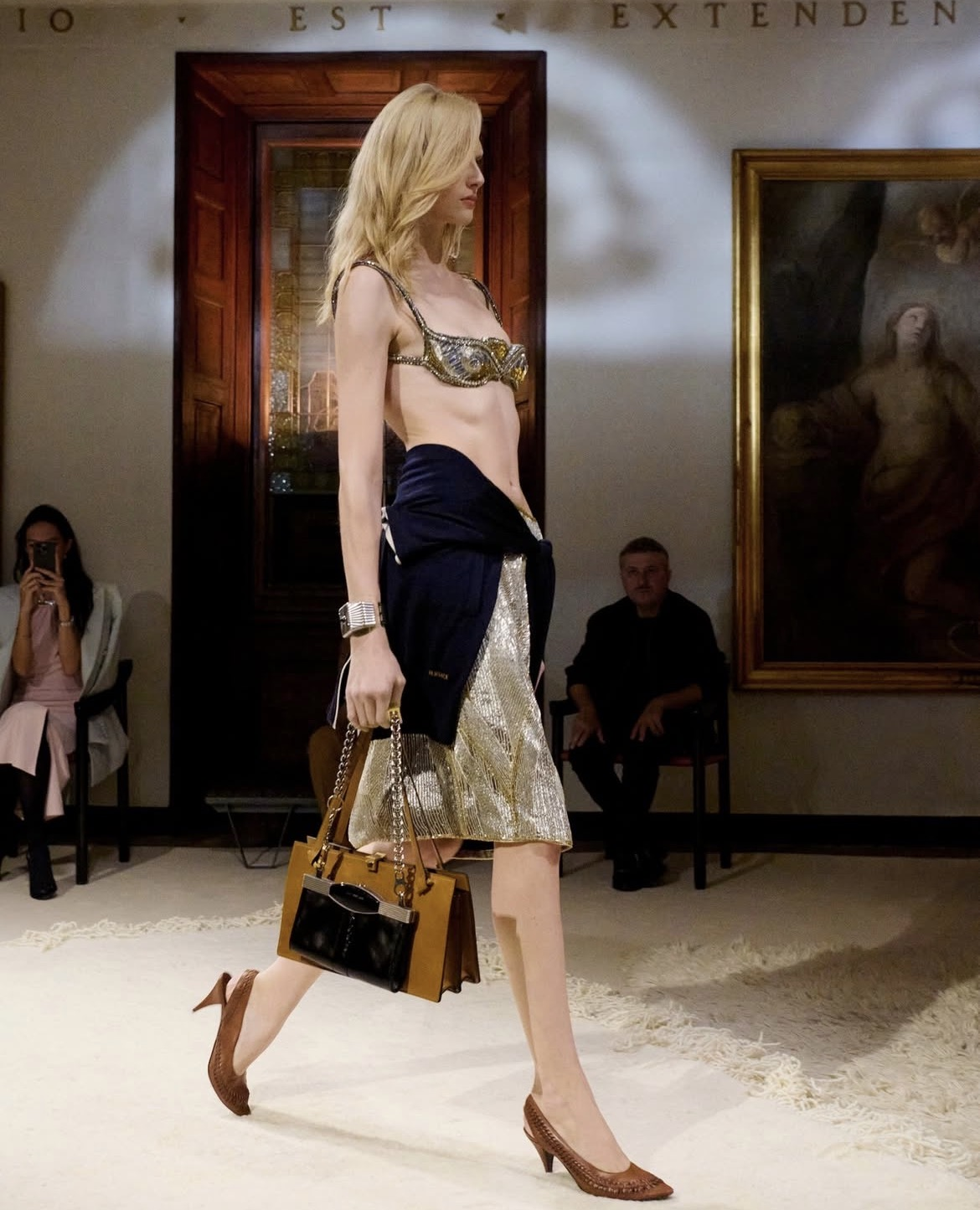
Prada Group’s acquisition of Versace initially sounded like pure fashion fan fiction. But in Italy, style is a matter of national industry. Prada’s purchase of Versace from Capri Holdings for €1.25 billion wasn’t just a business transaction—it was an Italian counterstrike against the dominance of French luxury conglomerates. The real excitement lies in the aesthetic friction: Prada’s intellectual cool versus Versace’s operatic glamour and unapologetic sex appeal. Ideally, this acquisition won’t temper Versace; instead, it will give it financial stability to amplify its maximalist voice. Think of it as loud luxury gaining a meticulous accountant. A small but juicy footnote: Prada Group once housed Helmut Lang and Jil Sander. And the Dario Vitale drama that followed Prada’s acquisition only heightens the suspense.
How First Collections Are Teased Now
This era of rapid designer changes has introduced a new rule: debuts no longer begin on the runway. Months beforehand, designers now construct their world on Instagram, on red carpets, and through calculated visual clues. Sarah Burton masterfully transformed the red carpet into a cinematic trailer for her Givenchy universe, with Elle Fanning’s looks quietly signaling the brand’s new tone.
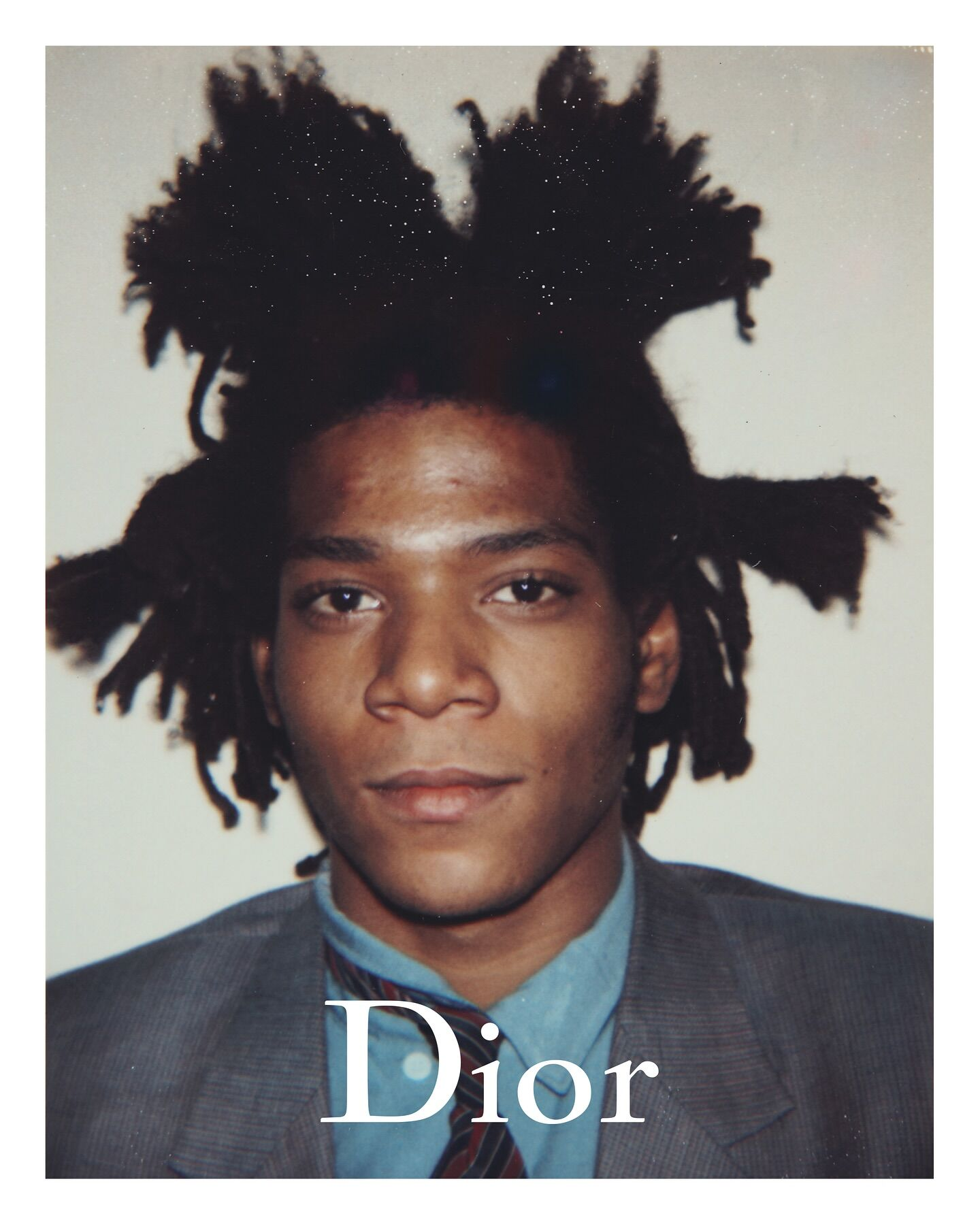
Jonathan Anderson, meanwhile, crafted an online moodboard for Dior Men—Basquiat, Lee Radziwill, a sprinkle of irreverence—inviting speculation long before the show. At Jil Sander, Simone Belotti took a different approach, collaborating with musician Bochum Welt to build an atmosphere through sound. Dario Vitale staged his first moment at the Venice Film Festival, dressing Julia Roberts first, then Amanda Seyfried, before stepping fully into the fashion spotlight.
Labubu Madness
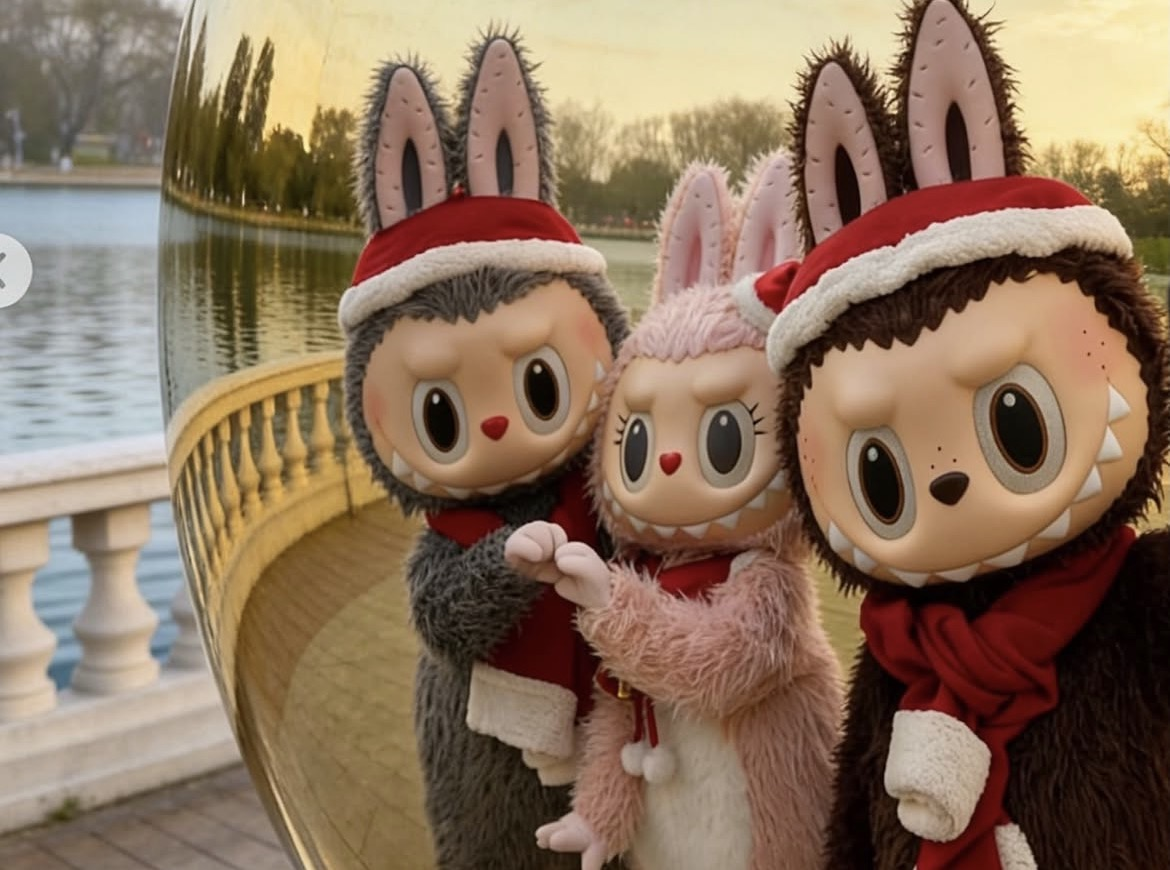
Labubu became the mascot of an era when “cute” morphed into a status symbol. By 2025, this tiny, slightly eerie figure was a cult object dangling from the It-bags of the world. It was both a collectible and a playful rebellion against fashion’s seriousness. And of course, it didn’t stop with accessories. Labubu now has a Hollywood destiny: a film directed by Paul King (of Paddington and Wonka fame) is underway.The boundaries between fashion and entertainment are dissolving faster than ever. As for the origins of this craze, which China introduced to the world, there is no definitive answer—but almost everyone points to one person: Lisa from BlackPink, who also stars in The White Lotus. Once she clipped a Labubu to her Louis Vuitton bag, the global obsession began.
Thong Sandals
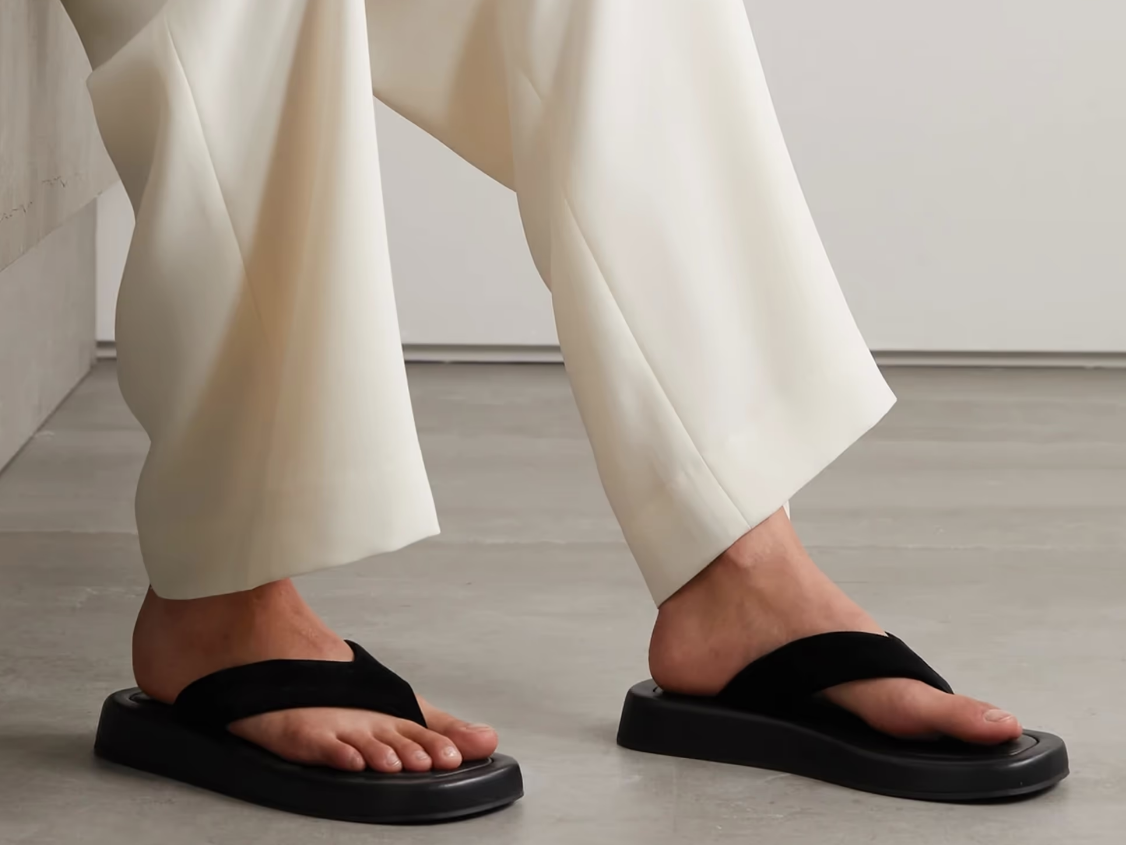
In 2025, thong sandals emerged as the natural extension of the 2000s revival we’re still living through. The Row’s ultra-minimal, wildly expensive flip-flops became an inside joke of quiet luxury—the calmest yet cheekiest flex imaginable. Jonathan Bailey wore the now-iconic pair to the London premiere of Jurassic World: Rebirth, fueling a new meme cycle. ERL followed with a provocative campaign centered on sexy flip-flops.
Runways didn’t remain indifferent either. Spring/Summer 2026 shows featured every imaginable iteration. Their reign continues next summer—prepare accordingly.
Going, going, gone!
The story of 2025’s most expensive bag was less about scarcity and more about mythology. Jane Birkin’s original Birkin—her own—sold for approximately $10 million at Sotheby’s Paris. In that moment, it stopped being a bag. It became an artifact.
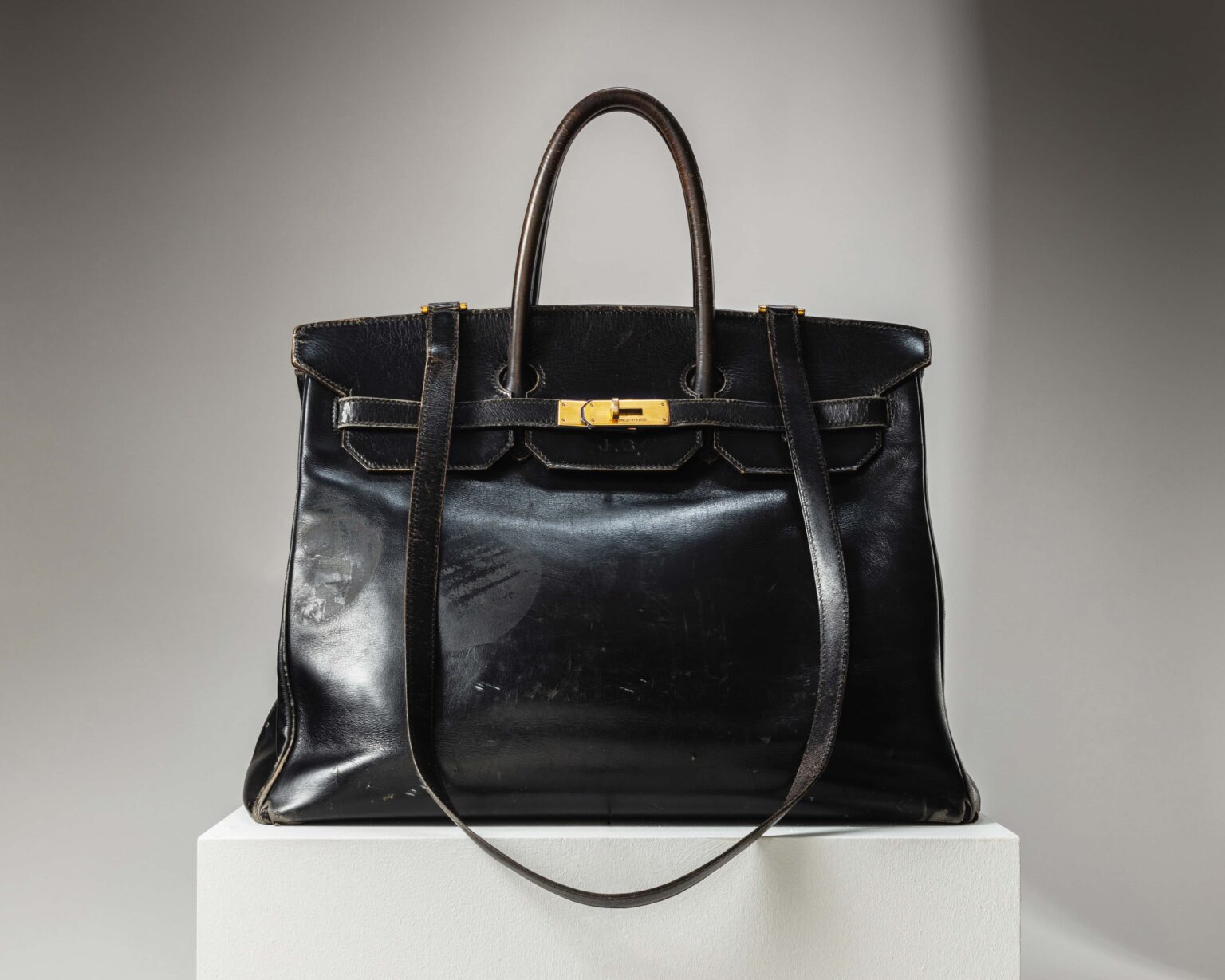
What the buyer acquired wasn’t leather or craftsmanship—it was narrative. A legend, proven. The irony? The more human the story, the more astronomCical the price. At first, the buyer remained anonymous. Eventually, the identity was revealed: Shinsuke Sakimoto, CEO of the Japanese second-hand platform Valuence, is the new guardian of the Birkin myth.
The Death of Giorgio Armani
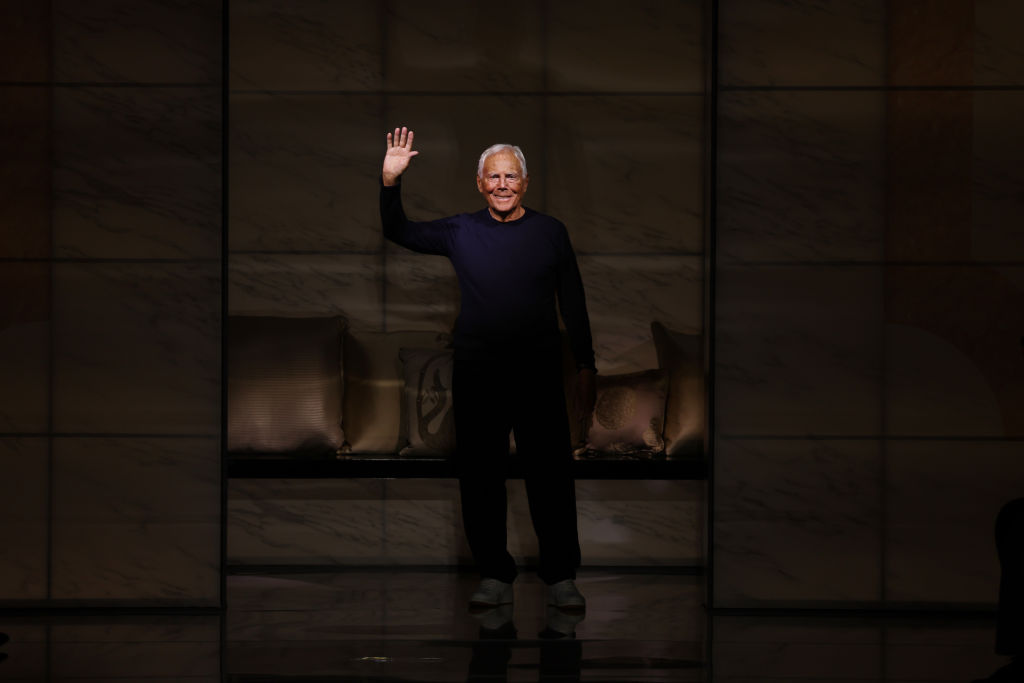
When Giorgio Armani died at 91, he took with him an era in which power didn’t need to shout. Since the 1980s, his vision shaped Hollywood, global business aesthetics, and the very definition of chic. His costumes for American Gigolo, The Wolf of Wall Street, and The Comfort of Strangers became cinematic milestones, weaving fashion into film history.
From the late 1970s onward, Armani revolutionized menswear. He softened shoulders, brought jackets closer to the body, and redefined power as something effortless rather than rigid. The powerful man no longer wore armor—he wore a silhouette that allowed him to breathe. In womenswear, he articulated strength without masculinizing it: trouser suits, fluid evening gowns, and his iconic grayscale palette became a political language of their own. He helped transform the female body from an object of fantasy into an active public subject.
The Unexpected Style Icon: Alexander Skarsgård
Let’s be honest: year-end red-carpet rankings usually celebrate women—Rihanna, Zendaya… But Alexander Skarsgård’s consistent style since the Cannes Film Festival forced us to rethink the conversation. Skarsgård has never dominated the internet’s “boyfriend” lists—especially with Paul Mescal, Jacob Elordi, and Timothée Chalamet around. Yet he transformed the red carpet into a form of performance art, weaving references to the myth of Pillion into his wardrobe. Leather pieces, backless looks, Saint Laurent boots, Ludovic de Saint Sernin moments…
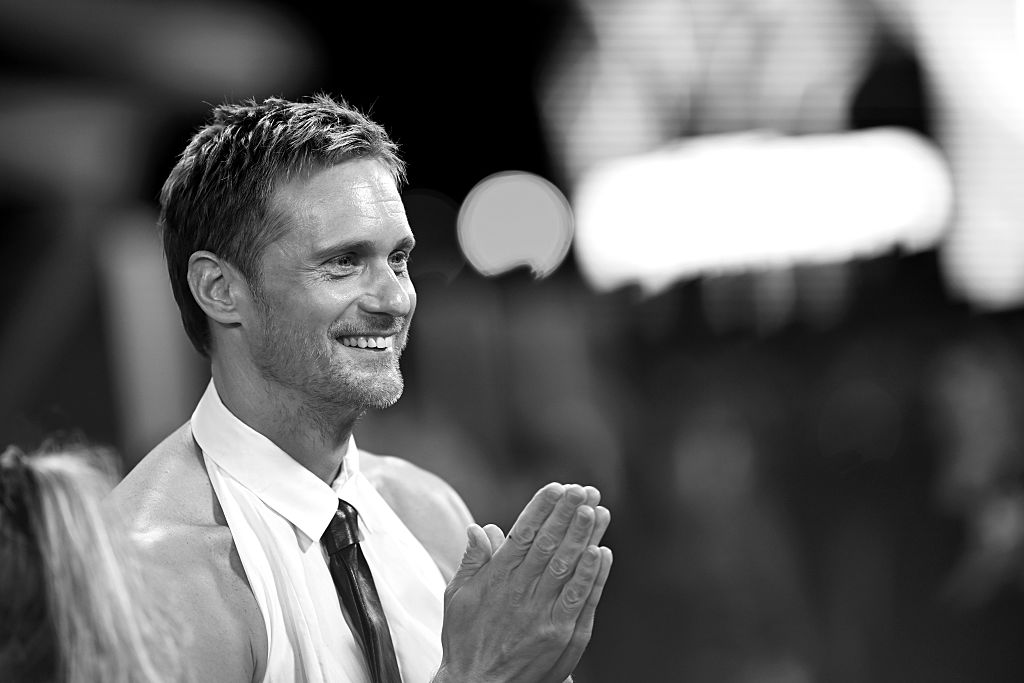
The initial shock gave way to admiration. Skarsgård and stylist Harry Lambert walked a confident line, reminding us that menswear doesn’t need to be stiff or distant. Drama, vulnerability, danger—they can coexist. In his case, the clothes weren’t just an outfit; they were storytelling.
Kendrick Lamar’s Super Bowl Jeans
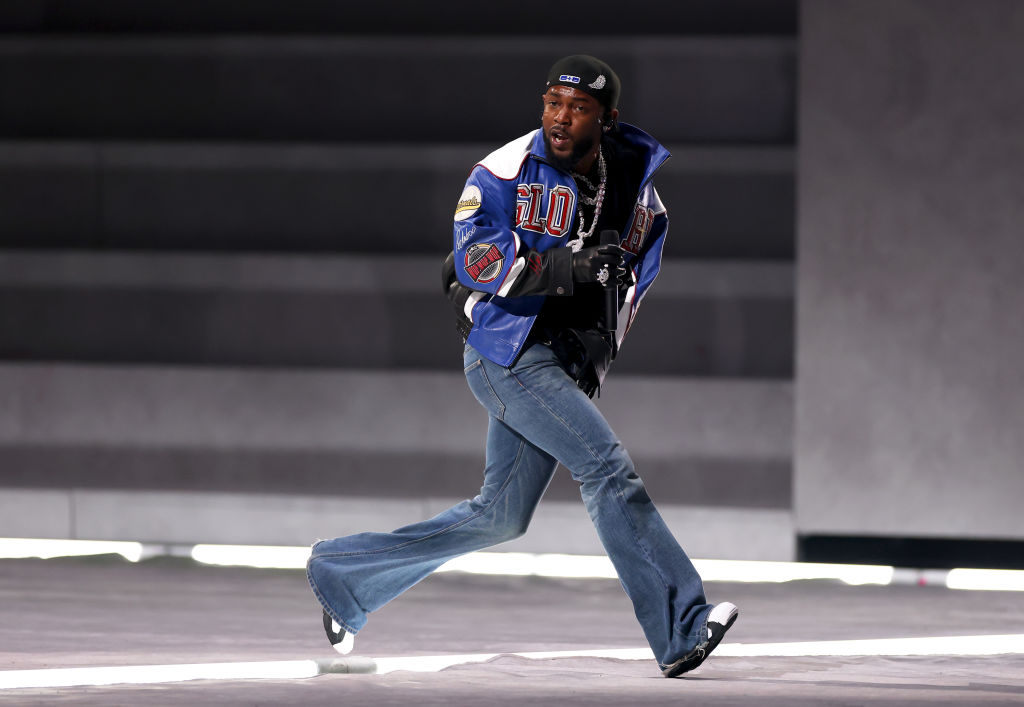
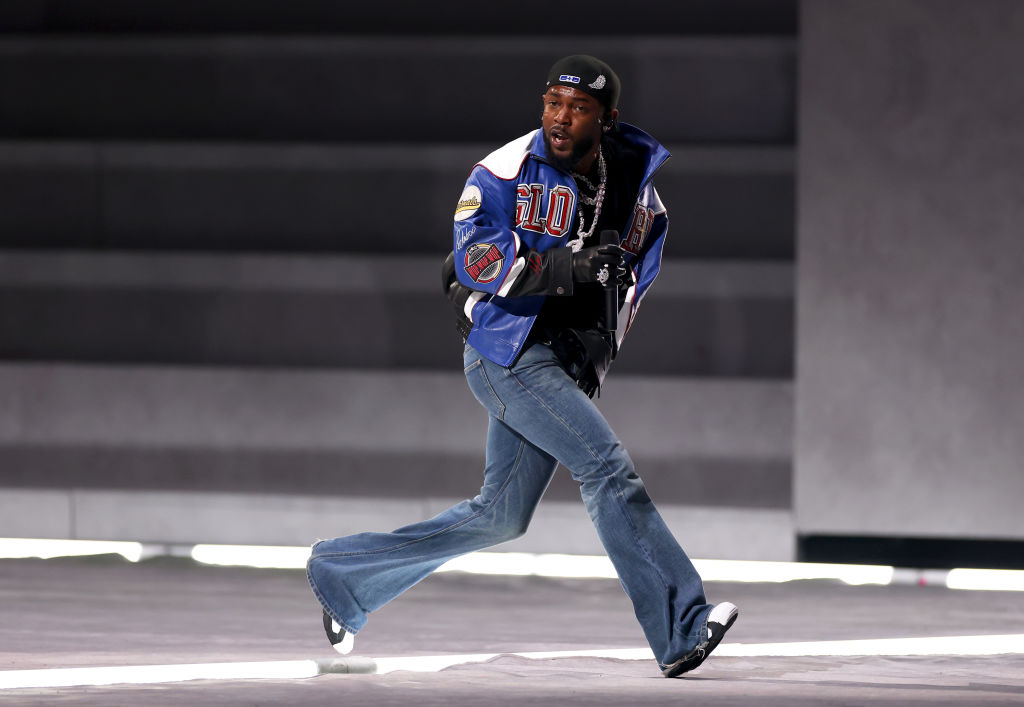
Kendrick Lamar’s Super Bowl halftime show on February 9, 2025, in New Orleans reinstated hip-hop at the center of American mainstream culture. Joined by SZA and Serena Williams, Lamar turned the stage into a cultural flashpoint. And because the Super Bowl is still America’s biggest style showcase, one item dominated the internet: his jeans. Social media went to war—were they flared or bootcut? Eventually, the debate widened to ask: Should men even wear this silhouette? The $1,200 Celine jeans skyrocketed in popularity, becoming Google’s most-searched item for several days. Lamar paired them with a Martine Rose jacket—solidifying the look as a moment.
The Devil Wears Valentino
Yes, The Devil Wears Prada is returning—by now, you’ve surely heard. The sequel, filmed this summer with the original cast plus Kenneth Branagh as Miranda Priestly’s husband, takes a more meta direction: the collapse of the magazine economy and shifting power structures. The first film mythologized fashion media; the second asks what to do with its ruins.
The real question isn’t whether Miranda survives—it’s what authority looks like today. And, naturally, whether Valentino’s Rockstuds are about to enter a second golden age. The film hits theaters on May 1, marking the story’s 20th anniversary.
2026 Teaser: More Designer Changes
If you think the dust has settled, think again. The domino effect will continue into 2026. Versace’s future remains uncertain—rumors point to Pieter Mulier, but nothing is confirmed. Maria Grazia Chiuri will present her first Fendi collection this year. Meryll Rogge is heading to Marni, and Antonin Tron becomes Balmain’s new creative director following Olivier Rousteing’s departure.
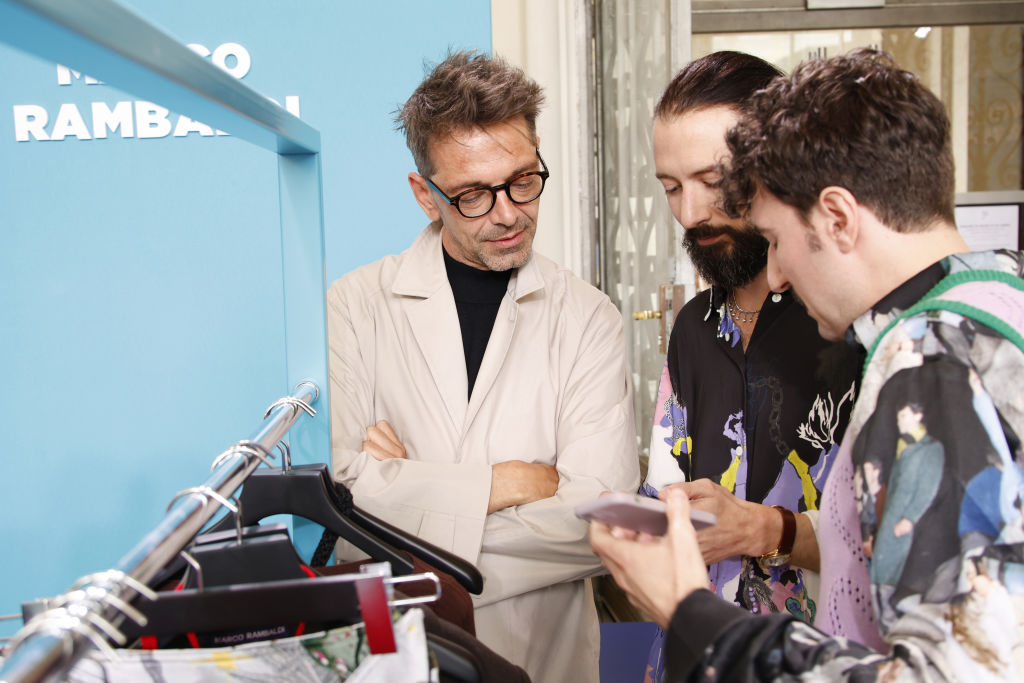
We’ll also see Rachel Scott’s first Proenza Schouler collection, where she will oversee the entire creative vision. January brings Véronique Nichanian’s final Hermès collection, while Grace Wales Bonner’s debut for the house is scheduled for January 2027.
May the best designer rise.