Sept 20–Nov 23, the 18th Istanbul Biennial—curated by Christine Tohmé under the theme “The Three-Legged Cat”—turns the city into a contemporary art hub. This guide spotlights the must-see artists.
Framed by curator Christine Tohmé, the 18th Istanbul Biennial this year focuses on ideas of self-preservation, solidarity, and building the future. Spread across eight different venues, the free program is designed not only as an exhibition but also as a three-year process (2025–2027). In this guide, you’ll find the artistic focus of the participating artists and the works they bring to the Biennial. Of course, this list is not exhaustive—there are many more names waiting to be discovered.
Abdullah Al Saadi
Venue: Zihni Han
For over forty years, Al Saadi has wandered the mountains of Khor Fakkan, archiving his close relationship with nature through found objects, drawings, and notes. Stored in metal chests, this collection turns into a personal inventory documenting the fragility of vanishing traditions and the environment. His practice extends from psychographic paintings to performance, photography, and sculptural arrangements. Among his most poignant series is My Mother’s Letters (1998–2013), where he transformed the daily objects left by his illiterate mother into letters, while writing numbers on sweet potatoes to signal his return time. This exchange revealed the fragility of intergenerational transmission and laid the foundation for his invented alphabets and works like Naked Sweet Potato (2000–2010).
Ana Alenso
Venue: Muradiye Han
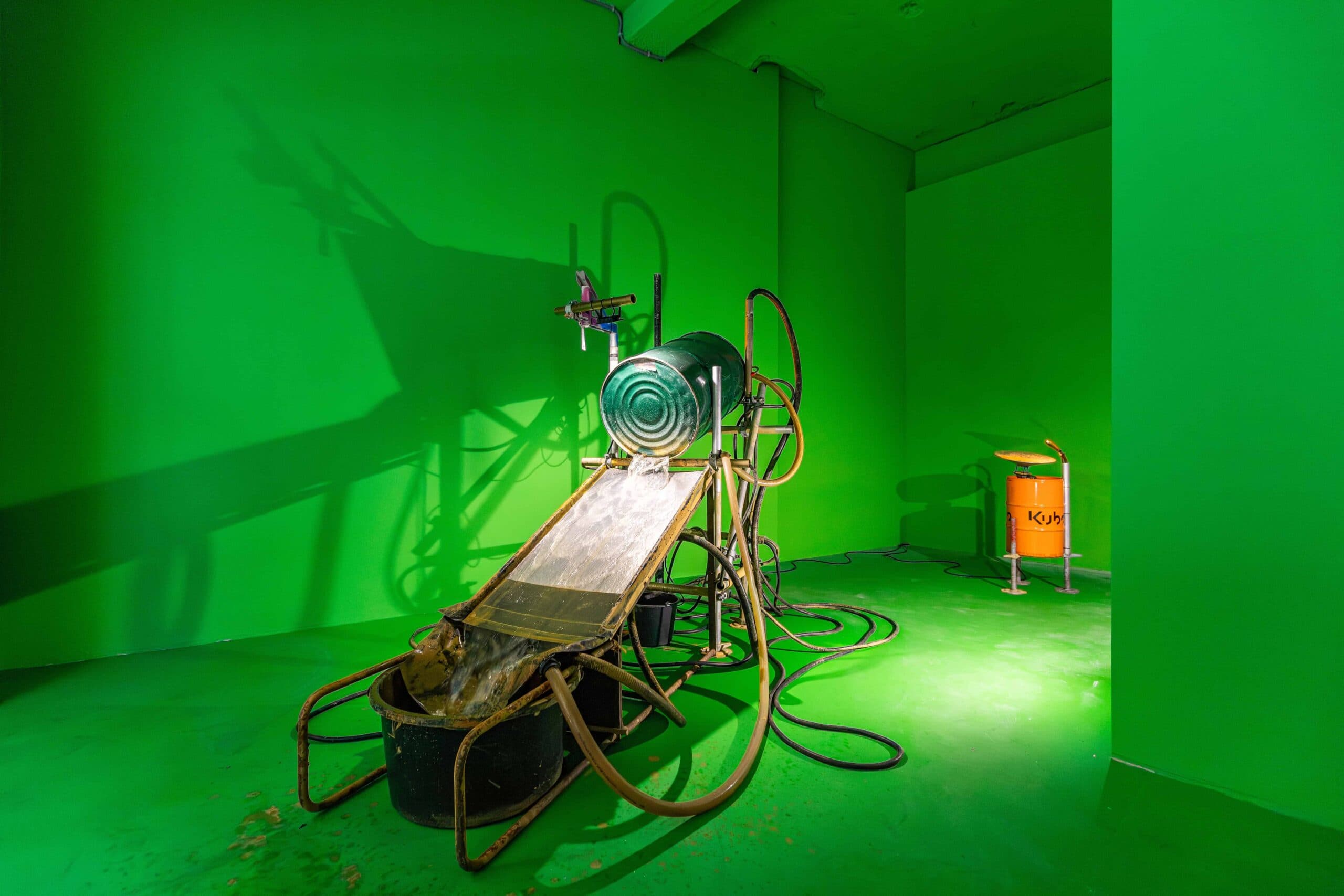
Born in 1982, the Venezuelan artist focuses on the contradictions and ecological crises produced by petro-cultures. Through installations constructed from industrial waste, machines, and post-industrial materials, she creates a language that is both poetic and dystopian. Her work draws attention to society’s precarious bond with nature while drawing the viewer in with a mesmerizing aesthetic. Having exhibited at key institutions such as Haus der Kulturen der Welt in Berlin and Casa Encendida in Madrid, Alenso now presents a new installation at the Biennial, exposing the dark legacy of extractive economies.
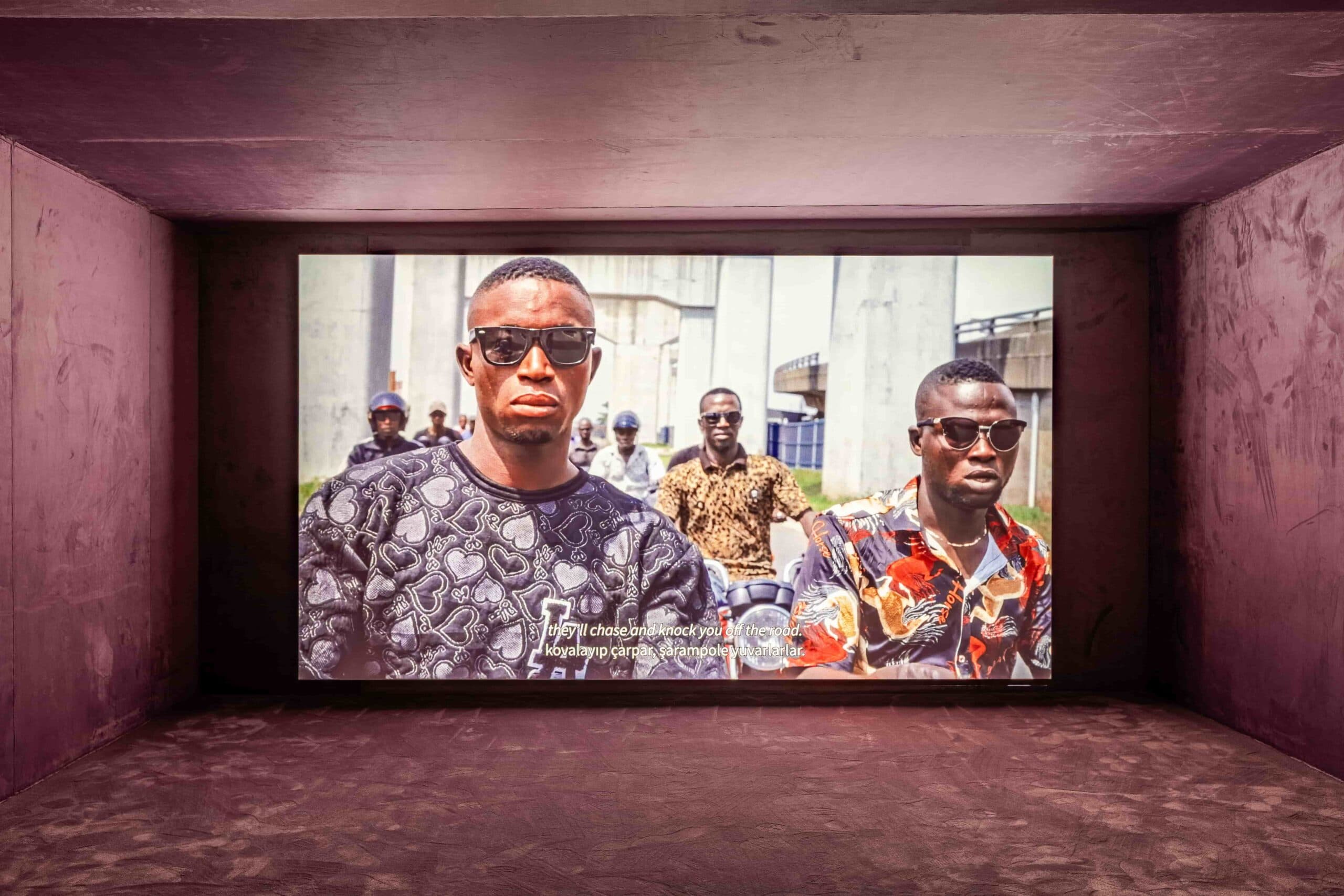
Raised in Nigeria, Ashadu focuses on the everyday experiences of the African diaspora and the working class. Her recent acclaimed film Machine Boys (2024) centers on Lagos’s banned motorcycle taxi drivers—okada riders. By documenting their daily rituals, clothing, and masculine postures, Ashadu reveals both the performance of patriarchy and the vulnerability of precarious laborers. Her bronze sculpture Wreath (2024) resembles a medallion woven from tire marks, evoking themes of commemoration, power, and legitimacy. At the Biennial, she presents these new works that interrogate the contradictions between masculinity, labor, and identity.
Mona Benyamin
Venue: Elhamra Han
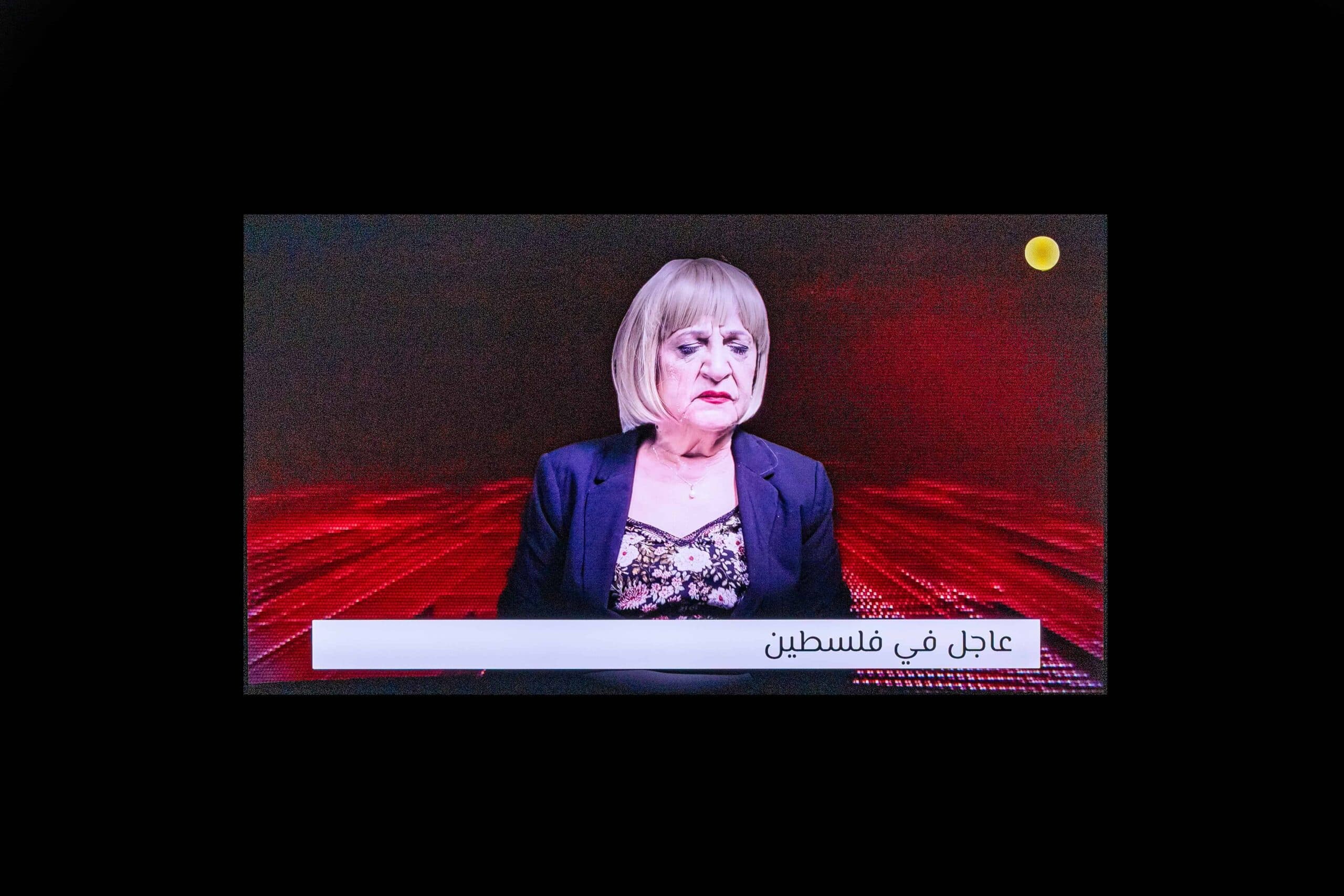
Born in Haifa in 1997, Benyamin is an artist and filmmaker who addresses intergenerational memory, hope, and identity through humor and irony. Often working with her family, she casts her parents as protagonists and turns her home into a stage. Her first film Moonscape combines NASA archival footage, Arab music videos, and film noir aesthetics in a surreal musical narrative. Voiced by her family, the story directly connects the commodification of the Moon with the occupation endured by Palestinians. Benyamin’s works juxtapose the personal and the political, humor and tragedy, to reveal the many faces of resistance.
Chen Ching-Yuan
Venue: Zihni Han
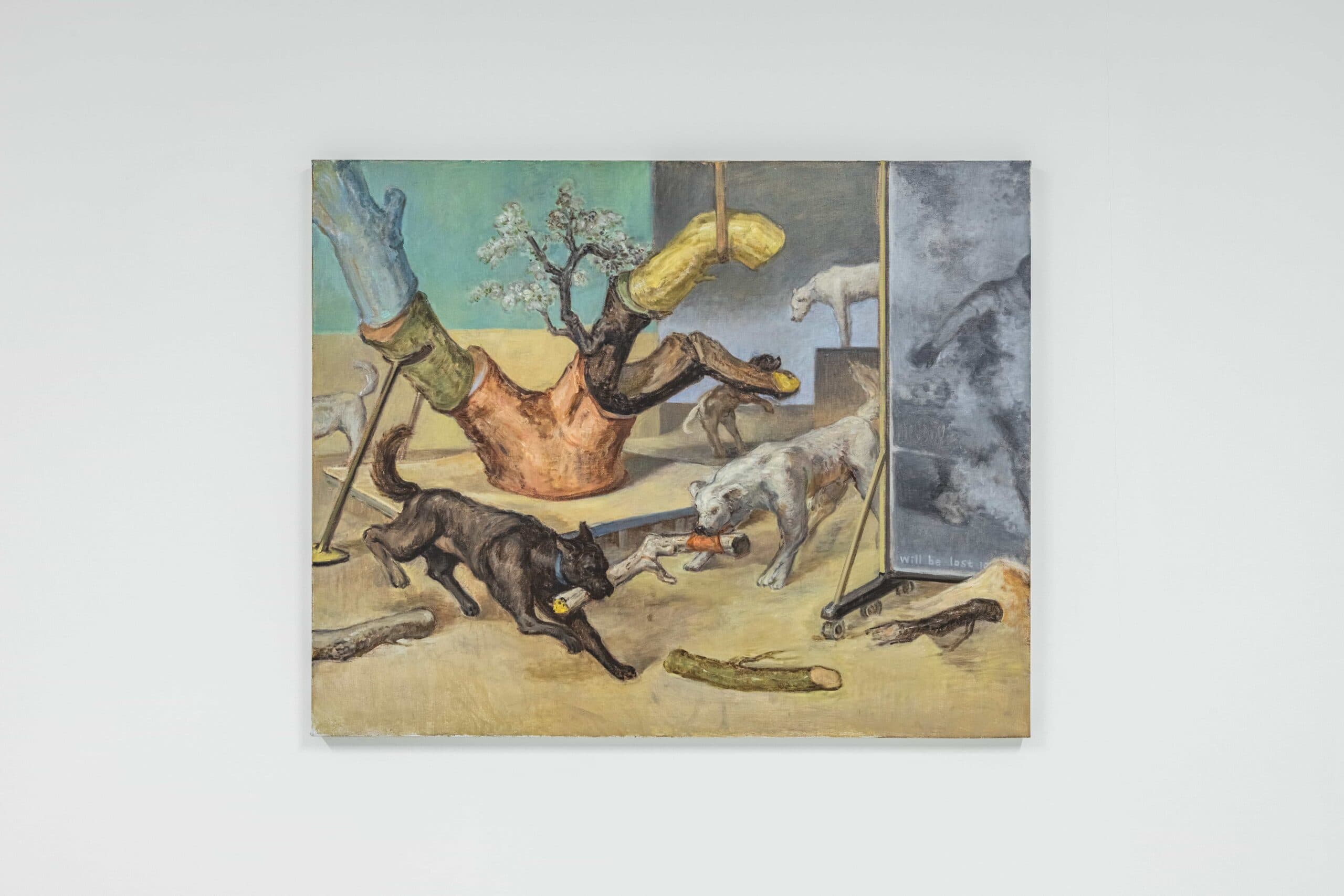
A graduate of Taipei National University of the Arts, Chen builds a poetic language in his paintings by weaving together symbols drawn from literature, mythology, and history. These suspended-in-time narratives, layered with fragmented meanings, leave viewers with a sense of surreal déjà vu. His palette and loose compositions turn each canvas into a kind of fable, transmitting clues about the essence of humanity through hidden symbols. His recent solo exhibition The Ship of Theseus (Mor Charpentier, Paris, 2022) and participation in the 2023 Taipei Biennial brought this poetic, fragmented universe to an international audience.
Ian Davis
Venue: Zihni Han
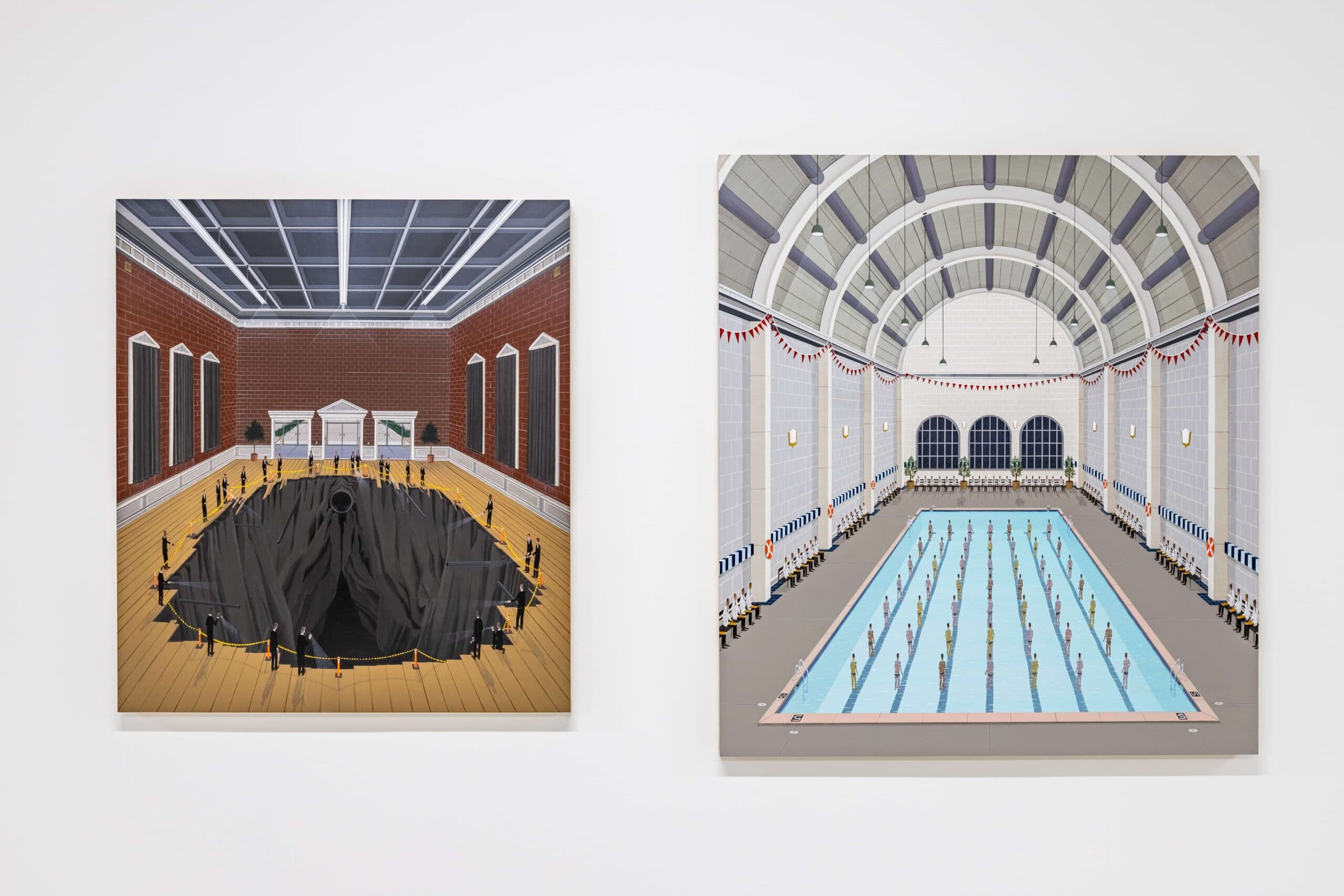
For more than twenty years, Davis has been known for dystopian paintings filled with dark humor and surreal narratives. His canvases feature crowds of anonymous male figures in suits or lab coats, often set just before or after a catastrophe. Without revealing cause or consequence, these scenes leave the viewer in suspense. These mass arrangements recall Siegfried Kracauer’s concept of the “ornament of the masses”: a mirror of bureaucratic order where individuality disappears. Davis’s “mass ornaments” highlight the ties between labor, organization, and catastrophe in today’s world.
Celina Eceiza
Venue: Zihni Han
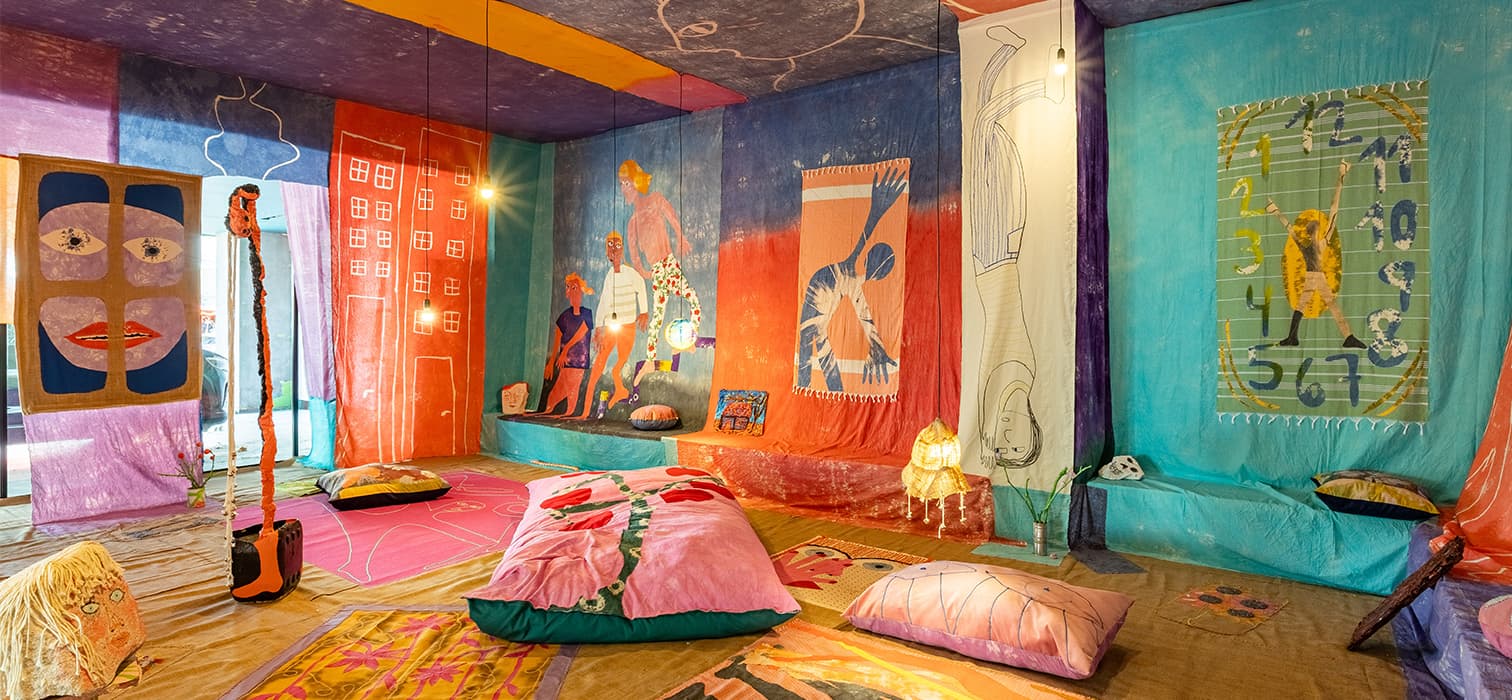
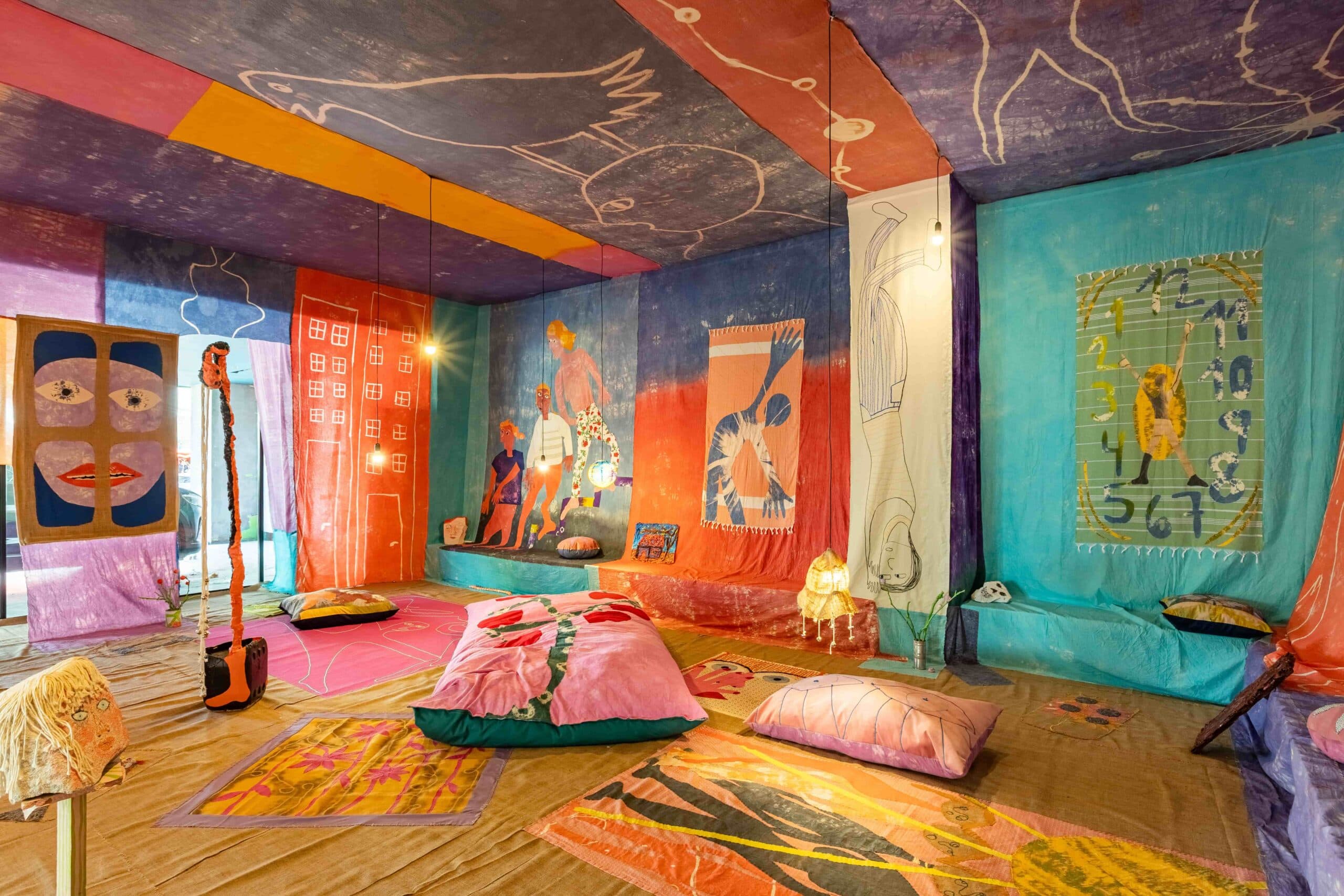
Eceiza is known for her “soft museums,” where she transforms white cube spaces using hundreds of meters of fabric. These immersive environments envelop visitors in a colorful, organic organism, emphasizing touch and sensation over sight. Working also in painting, collage, plaster, and pastel, she creates fragmented images of bodily transformations, flowers, and mythological references. With her 2024 solo exhibition at Buenos Aires Museum of Modern Art and her 2025 presentation at ARCOlisboa, the Tandil-born artist emphasizes the body’s social power through a poetic and political language.
Eva Fàbregas
Venue: Meclis-i Mebusan 35
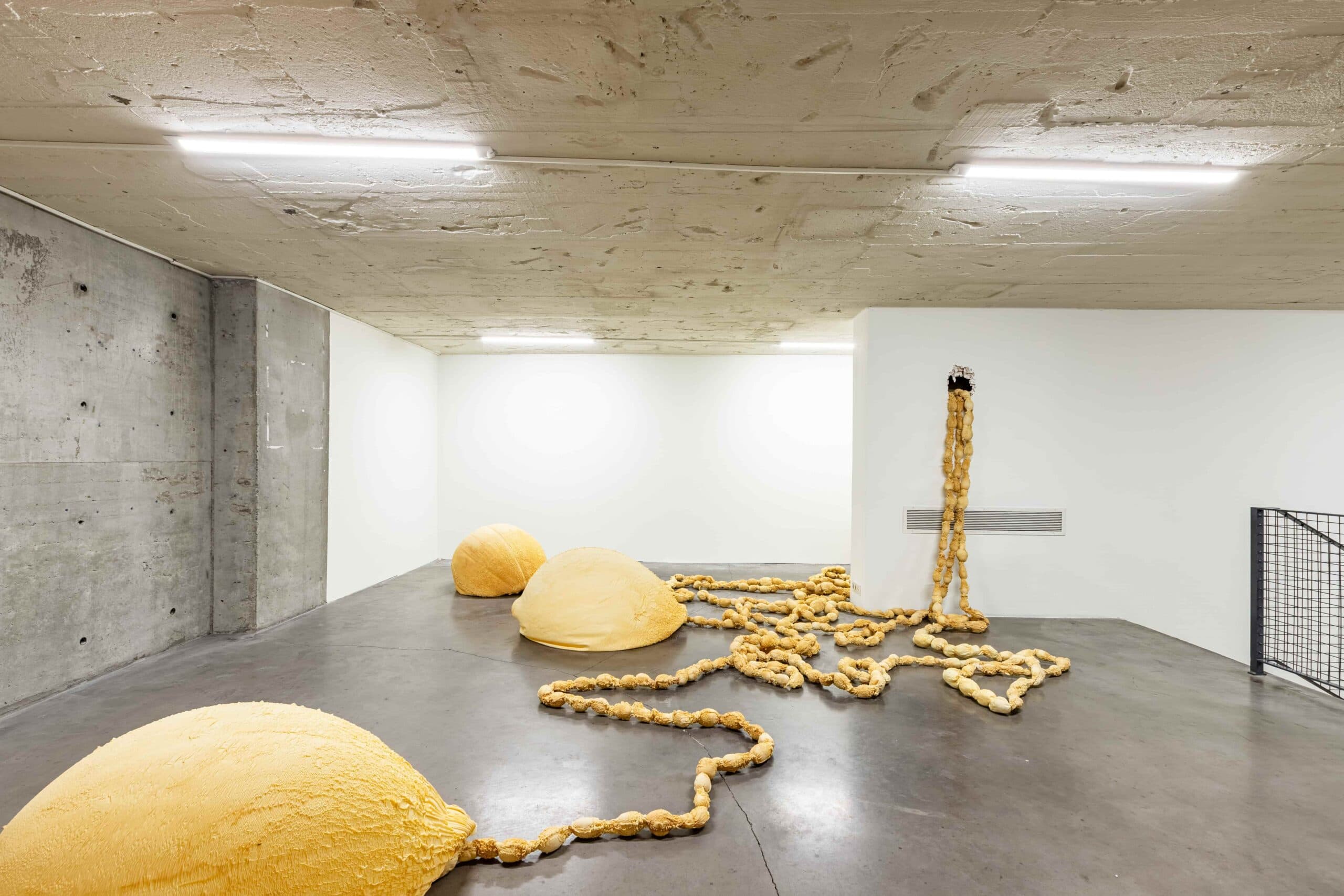
Born in 1988, Fàbregas dissects desire between bodies and objects in consumer culture. At the Biennial, her installation Leaks (2025) features organic, latex-coated air forms that resemble intestines, umbilical cords, or coagulated fluids. Emerging through holes in ceilings and walls, these biomorphic structures transform rigid architecture into a tense, organism-like environment. This new work calls visitors to move beyond vision, creating tactile exchanges between body, material, and space.
Lou Fauroux
Venue: Galata Greek School
Representing the generation shaped by 1990s–2000s digital culture, Lou Fauroux interrogates AI, technology, and power relations from a queer perspective through video, sculpture, installation, and 3D work. Her early videos drew from the adult film industry, later expanding to pop culture, music, and video games to deconstruct systems of power. At the Biennial, her video installation To the Relevant Authority: Hennessy My Cup Will Hold Tears (2023–) builds an environment of mourning, loss, and childhood ghosts, inspired by the memory of her late sister Cécile Fauroux.
Rafik Greiss
Venue: Zihni Han
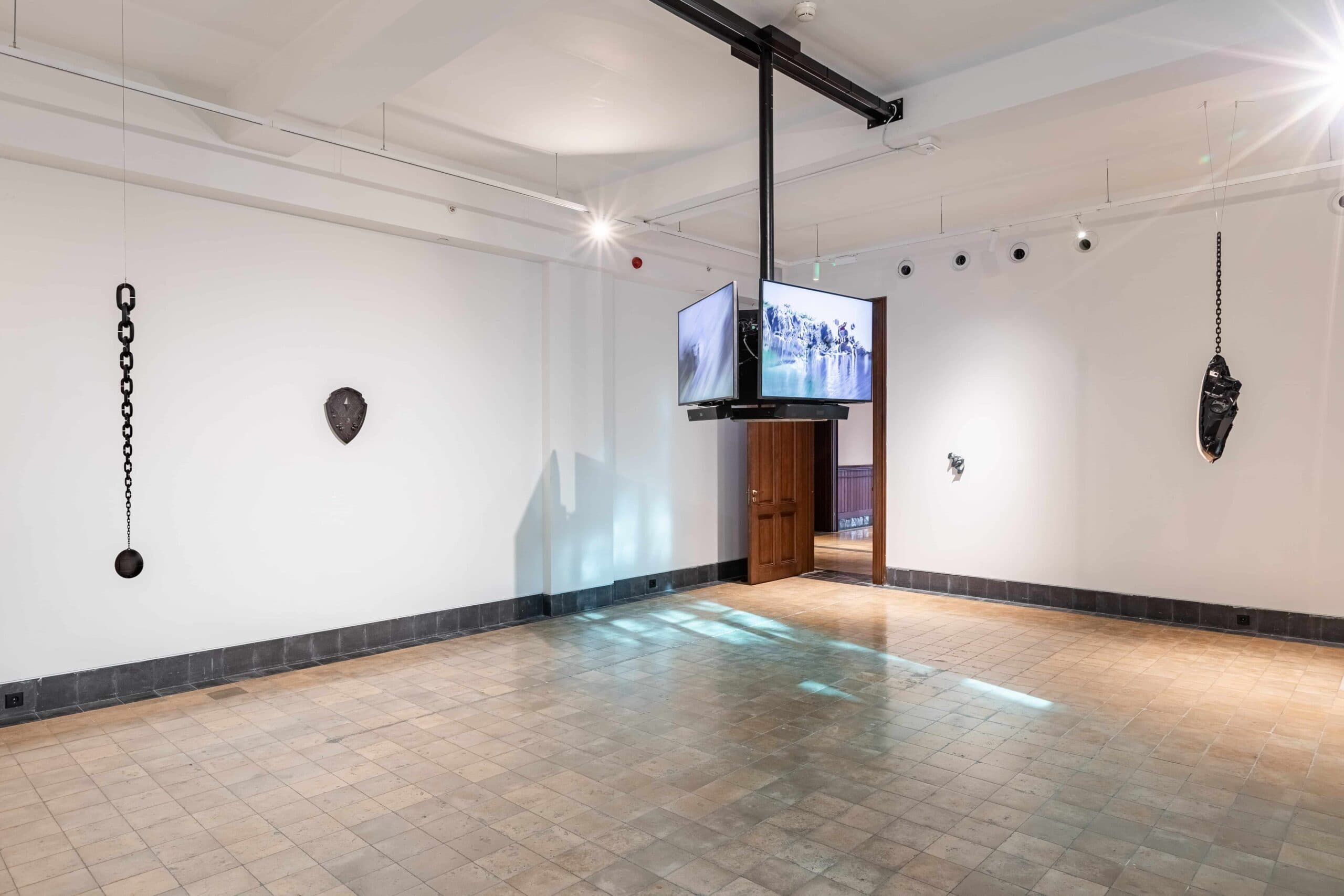
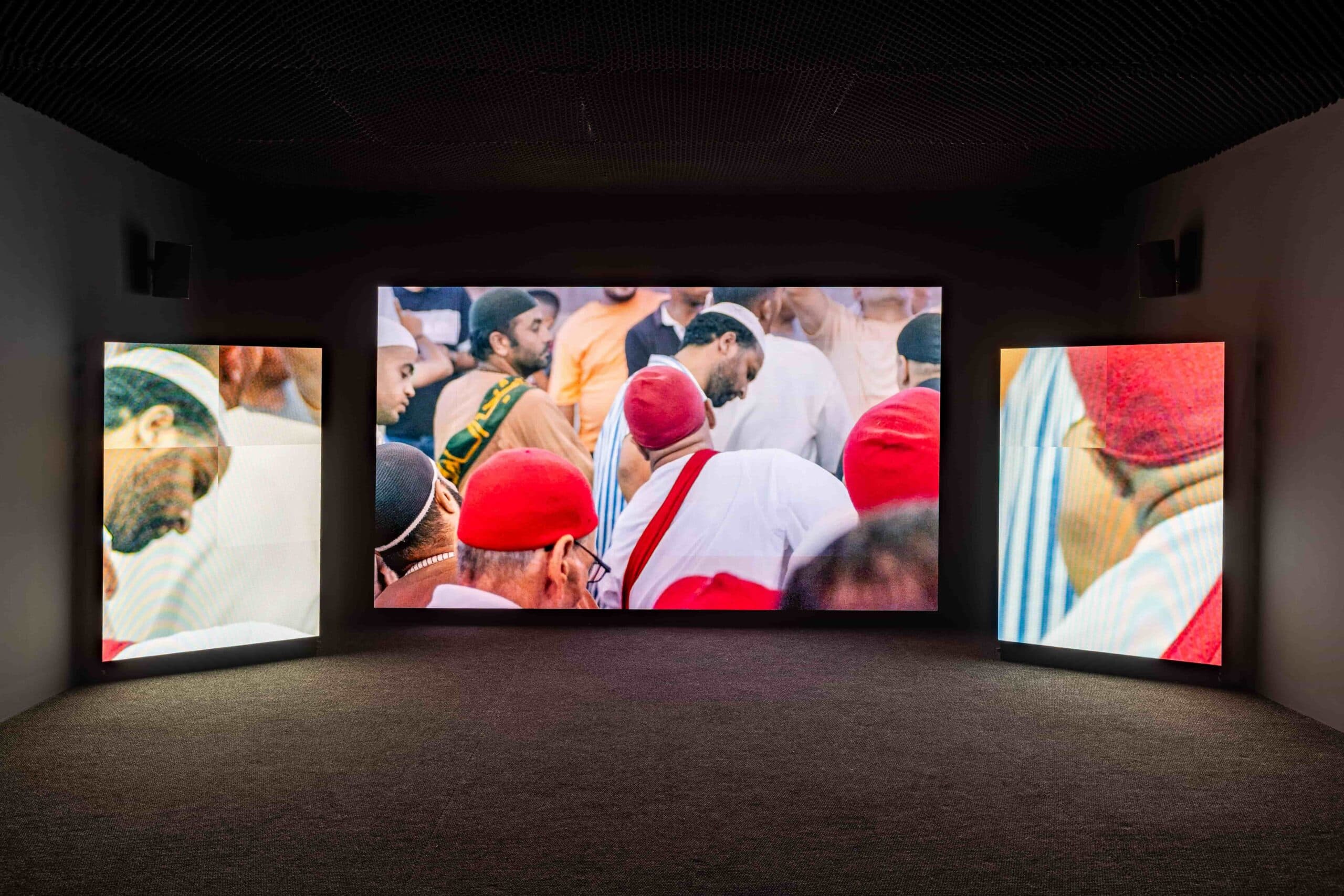
Working with photography, video, sculpture, and collage, Greiss explores the fragility of objects and images. By reimagining found materials, he creates poetic reflections on transience and memory. His Biennial film The Longest Sleep (2024) draws on mevlit rituals that celebrate birthdays, presenting transcendence as a temporal loop and interrupted experience. Through breath, repetition, and movement, he examines the link between bodily existence and states of consciousness. His wall sculptures, produced with found objects collected in Georgia and Egypt, carry traces of migration, travel, and colonial histories.
Doruntina Kastrati
Venue: Külah Factory
Through sculpture, installation, and video, Kastrati investigates the relationship between the body and biopolitical power, particularly the hidden dimensions of labor. Born in 1991, she is one of the rising figures of contemporary Kosovar art, having gained international recognition with her works at Manifesta 14 (2022) and the Kosovo Pavilion at the 2024 Venice Biennale. At the Biennial, her installation A Horn that Swallowed Songs (2025) focuses on women’s labor in Istanbul’s Turkish delight factories.
Jasleen Kaur
Venue: Zihni Han
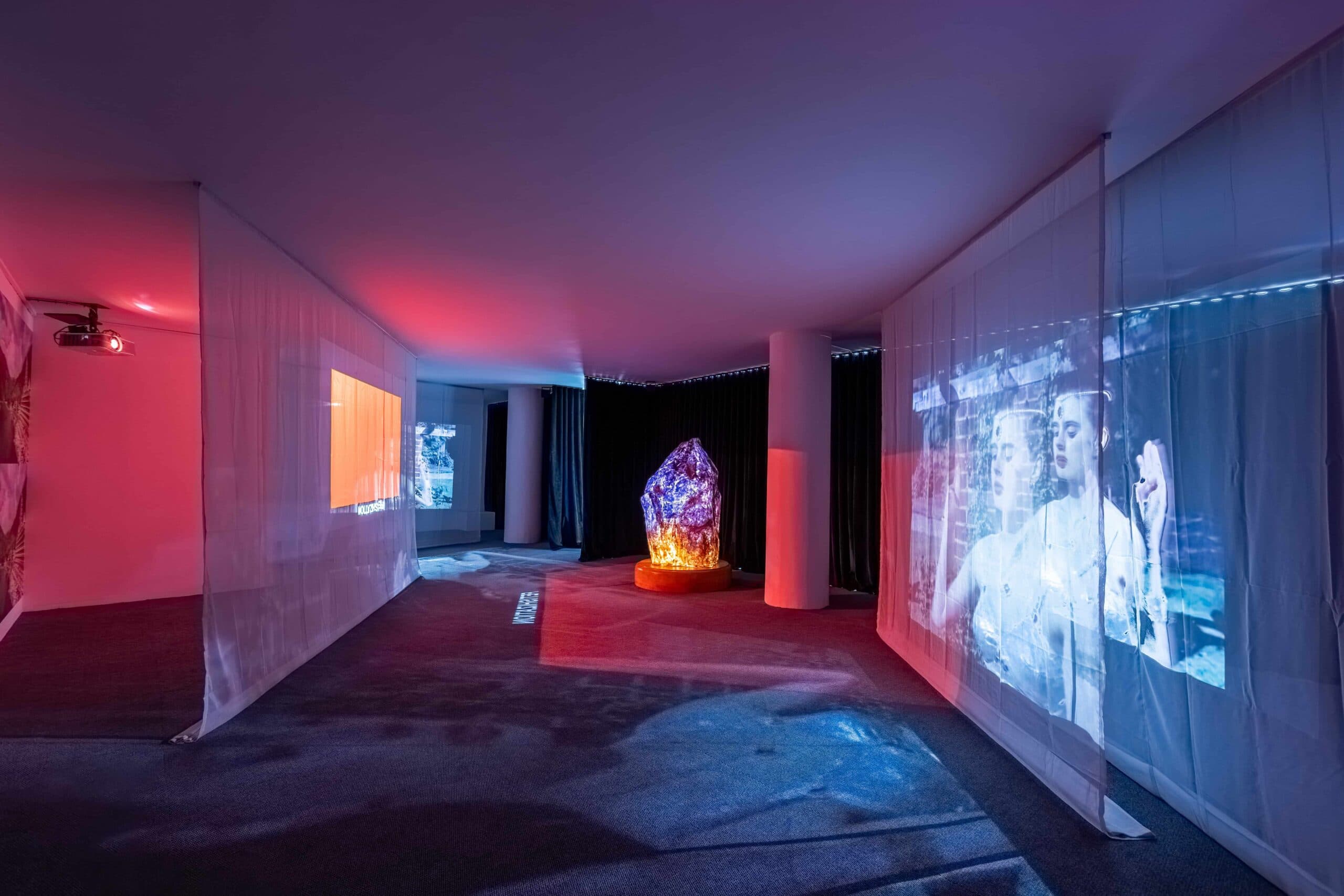
Raised in Scotland in a Sikh family, Jasleen Kaur explores cultural memory and politics of representation through sculpture, sound, and everyday objects. Her works draw from community practices, memories, and belief systems. Her piece My Body Is a Temple of Gloom (2021) critiques the commercialization of indigenous spiritual traditions like yoga and meditation within the global wellness industry. Beginning with a photograph of the Trimbakeshwar Shiva Temple, the installation overlays archival images onto translucent curtains, exposing the exploitative dimension of the self-care market.
Şafak Şule Kemancı
Venue: Elhamra Han
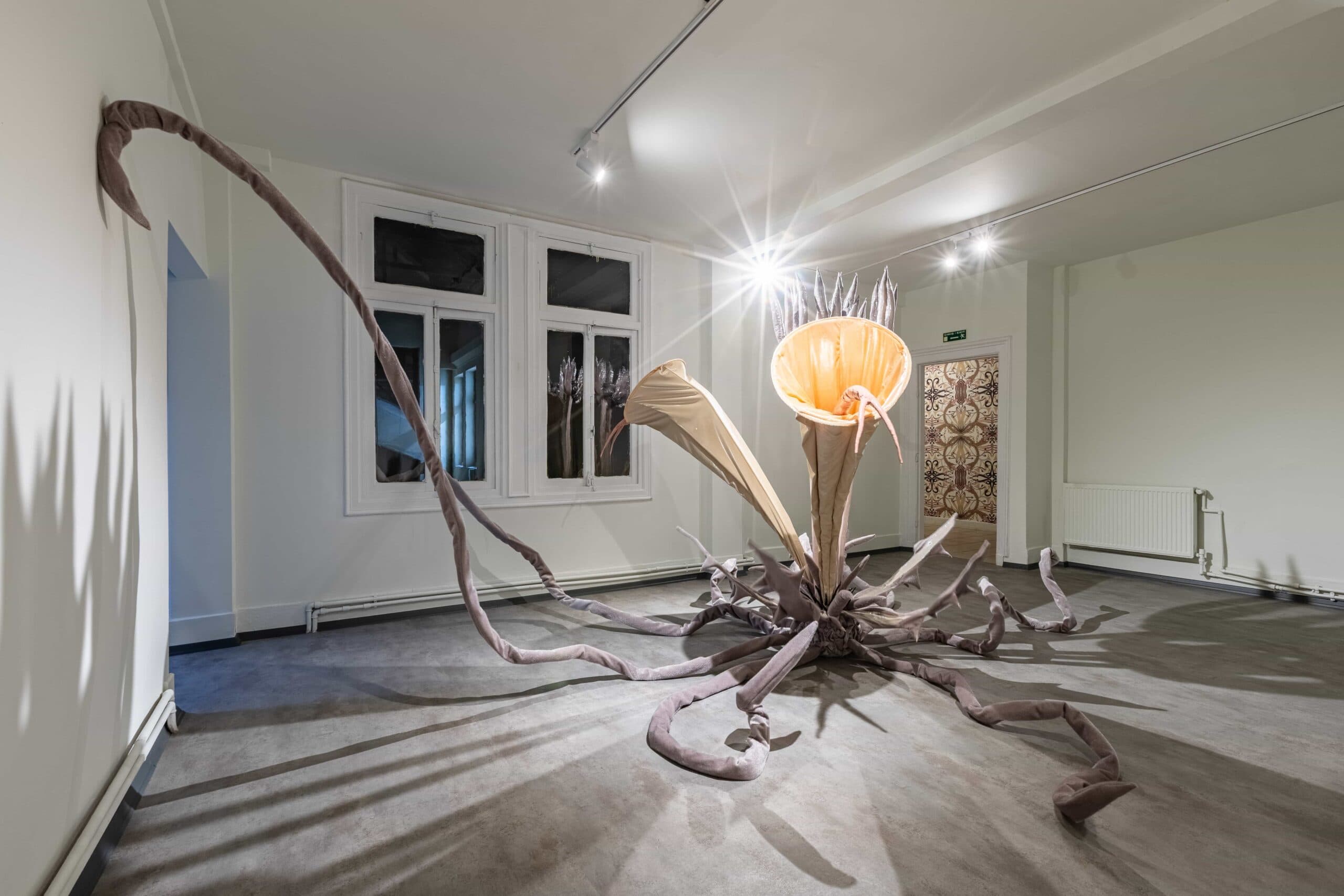
Trained in textile design at Central Saint Martins and in art at Goldsmiths, Kemancı envisions an ecosystem where boundaries between humans, animals, plants, and minerals are fluid. Her works feature recurring patterns, textures, and figures that echo the constant regeneration of life. At the Biennial, she presents a monumental soft sculpture that inhabits its room and spills out through windows and doors into a wild landscape. This hybrid structure subverts dichotomies of domestic/wild, human/non-human, natural/artificial. Its shadows remind us that protection means not only retreating but also creating shelter for others.
Seta Manoukian
Venue: Galata Greek School
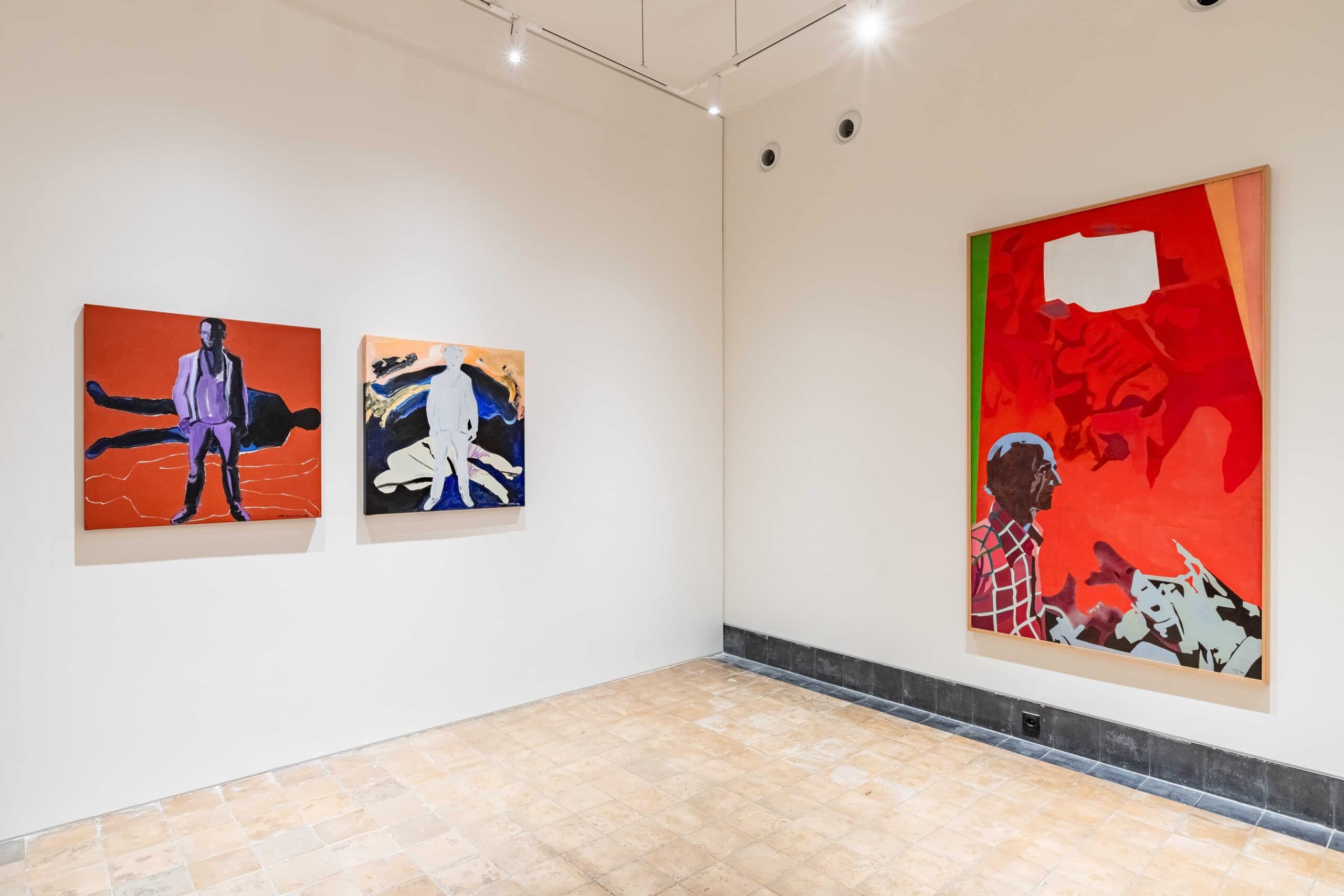
Born into a Lebanese-Armenian family and trained under Paul Guiragossian before studying in Italy, Manoukian returned to Beirut in the late 1960s and became an active figure in the city’s art scene. During the Lebanese Civil War (from 1975 onward), her paintings captured the fragmentation of the city and the struggle for survival. At the Biennial, she presents a six-painting series documenting moments when time and space collapsed amid war, populated with figures drifting through the city. Anonymous faces, politicians, family members, and friends intertwine with fragments of everyday life. Two works from her later “T-shaped” series, begun after emigrating to Los Angeles, are also included. These quieter compositions reflect the psychological scars of war and a longing for stability, conveyed in a more introspective palette.
Merve Mepa
Venue: Galata Greek School
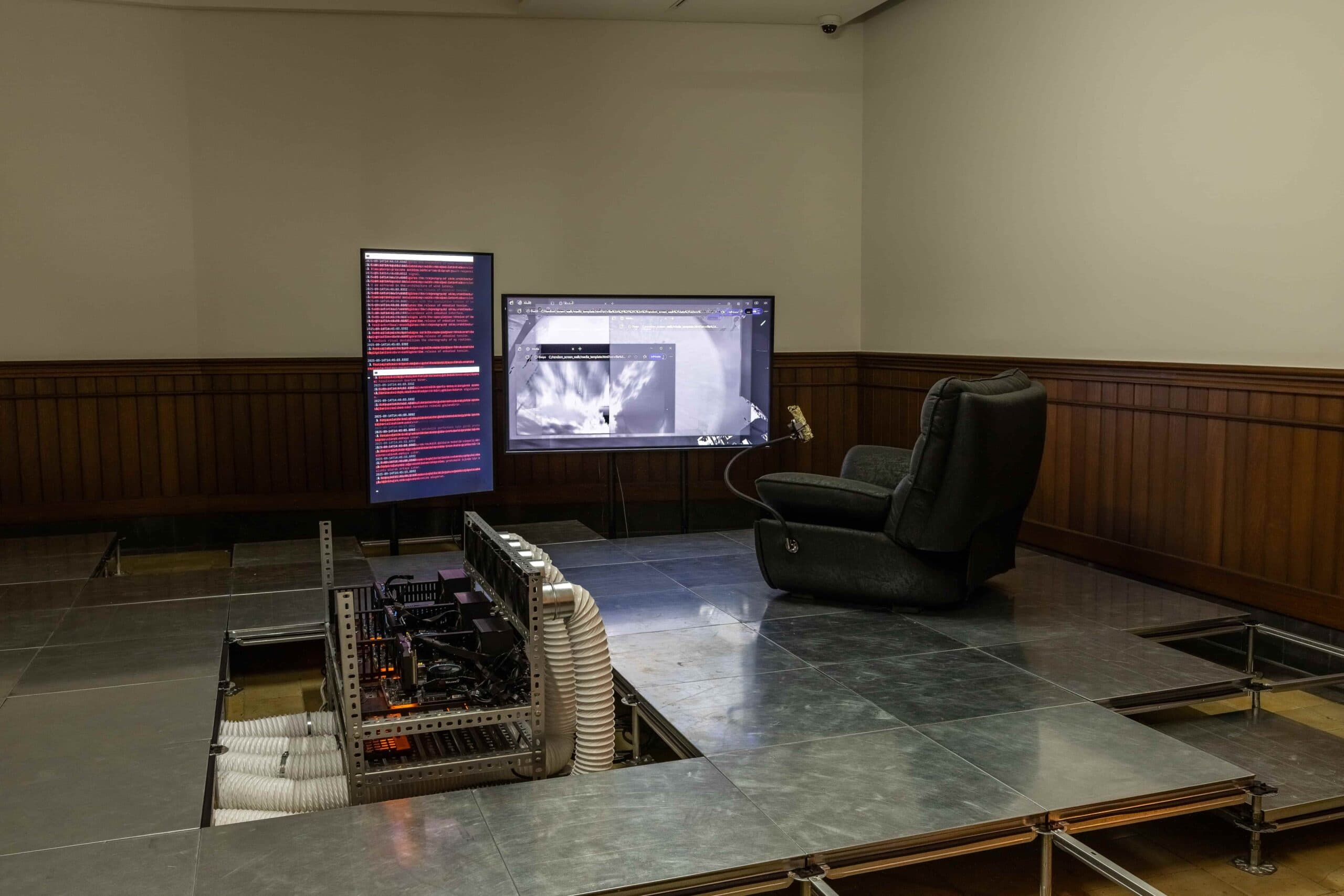
Known for her interdisciplinary approach, Mepa works at the intersection of theory and practice, focusing on “gaps, ruptures, and interactions.” Bringing together historical, scientific, and often marginalized knowledge, her projects question the relationship between production, labor, and technology. At the Biennial, her installation A Random Walk, Nutrition and Air (2025) invites visitors into an experience where linear movement is interrupted and directions are absent. Open-case computers continuously generate new browser windows, producing data that merges with the airflow of the space, transforming information into a kind of “weather.”
Claudia Pagès Rabal
Venue: Külah Factory
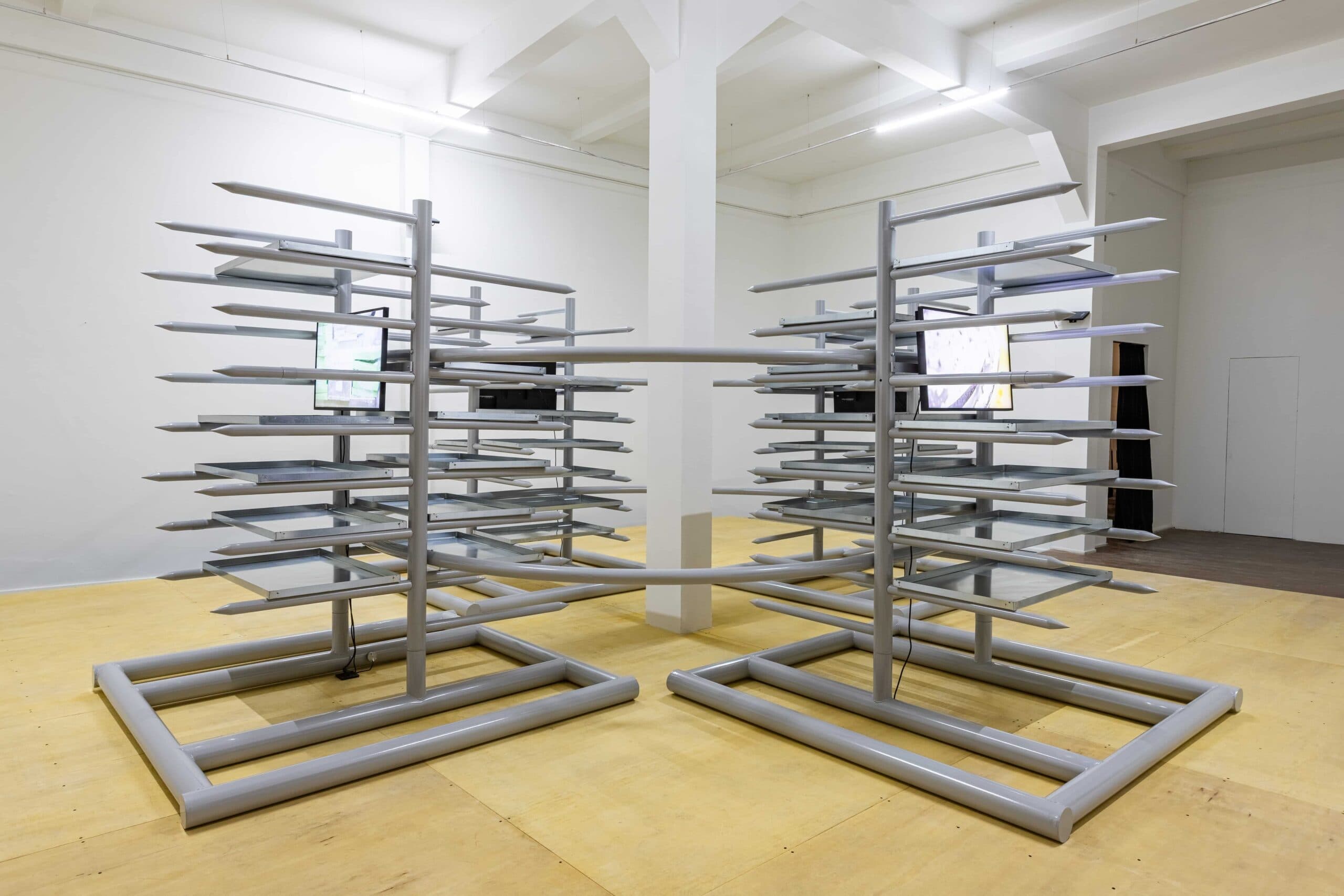
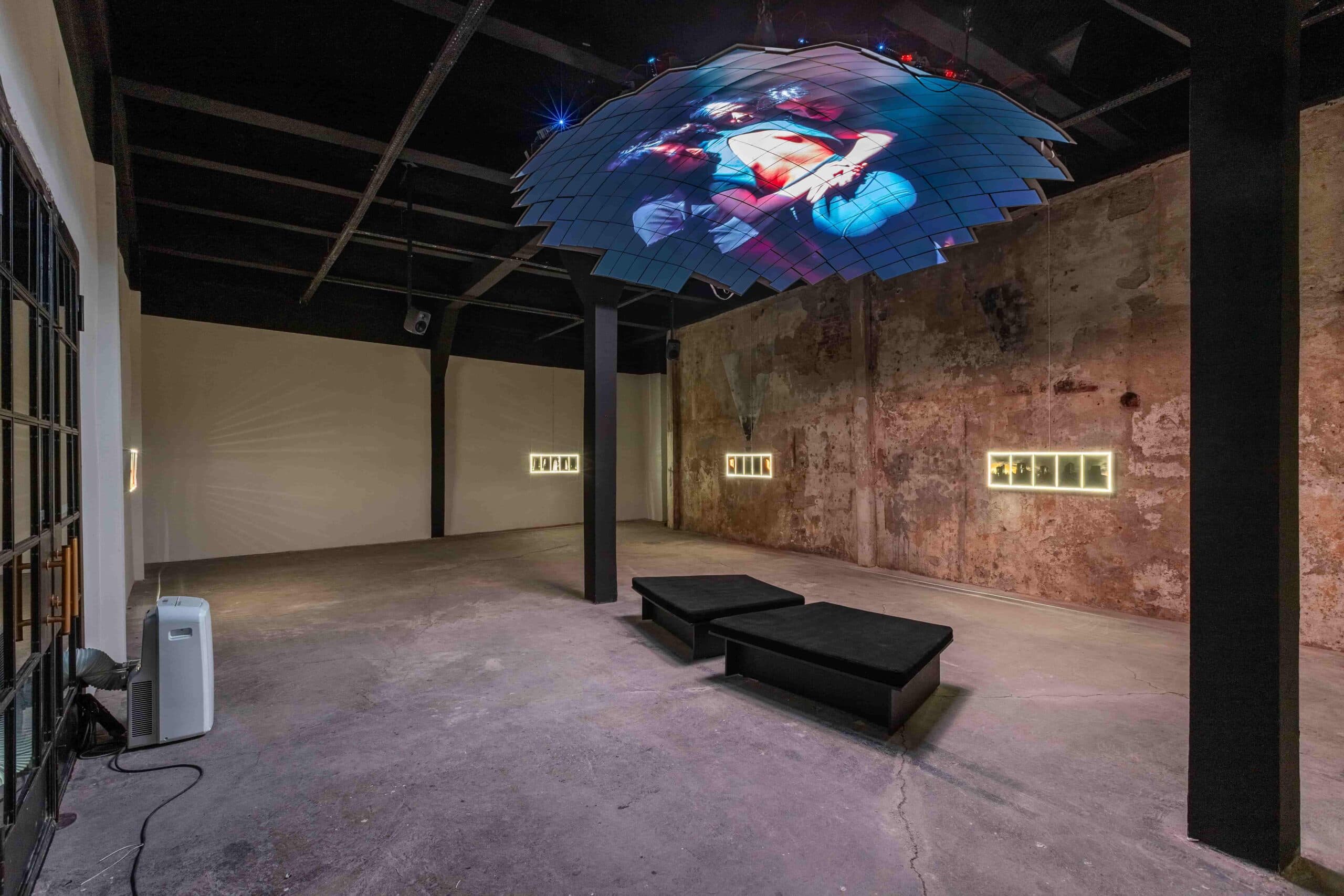
As an artist, performer, and writer, Pagès Rabal explores social hierarchies and belonging through language, body, movement, and music. Drawing on non-art fields such as history, law, and linguistics, her Biennial work Five Defense Towers (2025) combines film projections on LED screens suspended from the ceiling with multilingual narration. Inspired by Catalonia’s defense towers, the installation fractures perceptions of time and exposes processes of militarization, borders, and social exclusion.
Pilar Quinteros
Venue: Meclis-i Mebusan 35
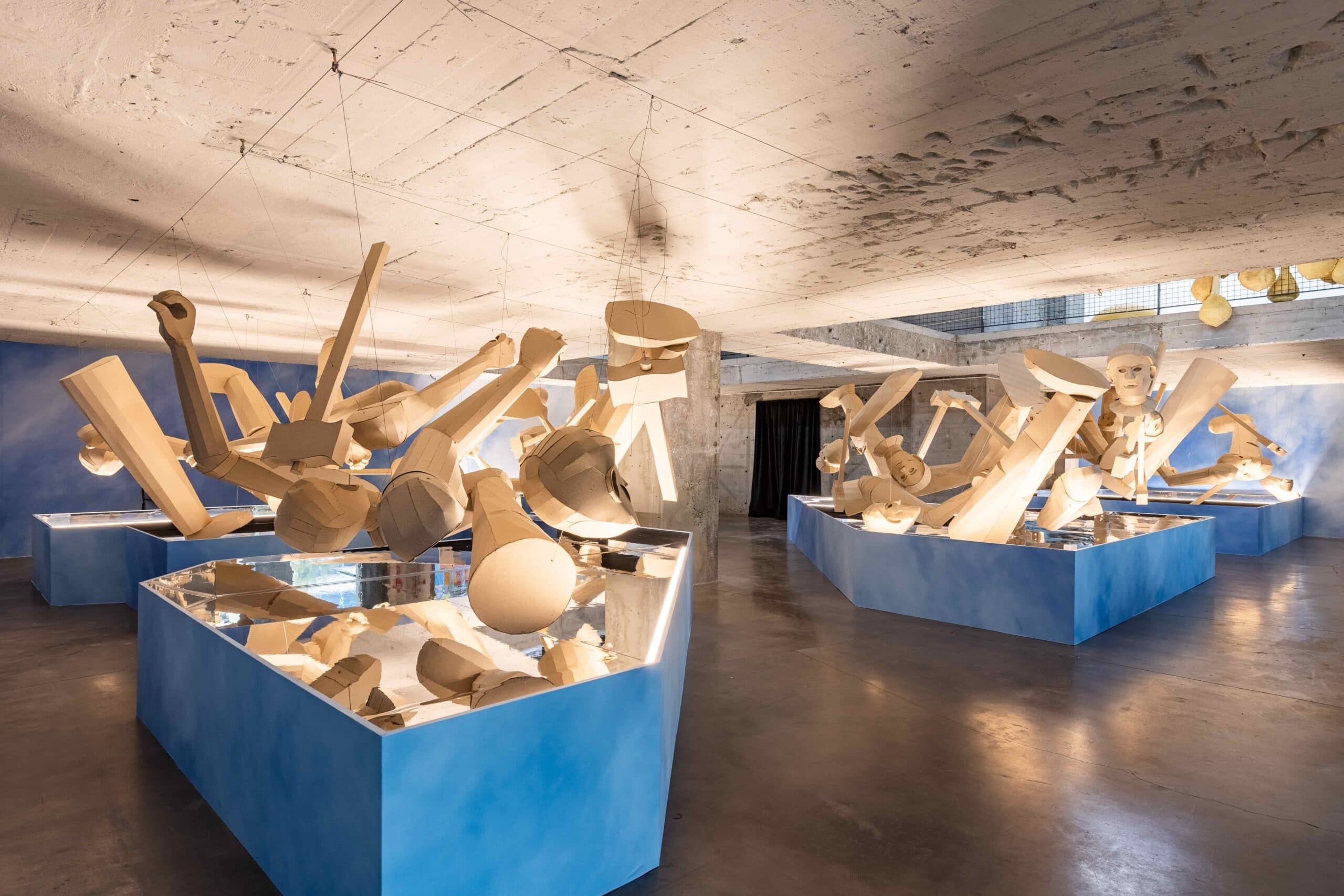
Working across drawing, performance, video, and installation, Quinteros examines history, the concept of reality, and shifting contexts. She has exhibited widely, including at Gasworks in London and the São Paulo Biennial, and is also known for her collective practices. At the Biennial, her work Working Class (2025) deconstructs and reassembles Muzaffer Ertoran’s Worker monument (1973) from Tophane Park. Using cardboard limbs and a semi-fictional documentary, she highlights the monument’s repeated vandalism and its gradual dissolution in public memory.
Khalil Rabah
Venue: Garden of the Former French Orphanage
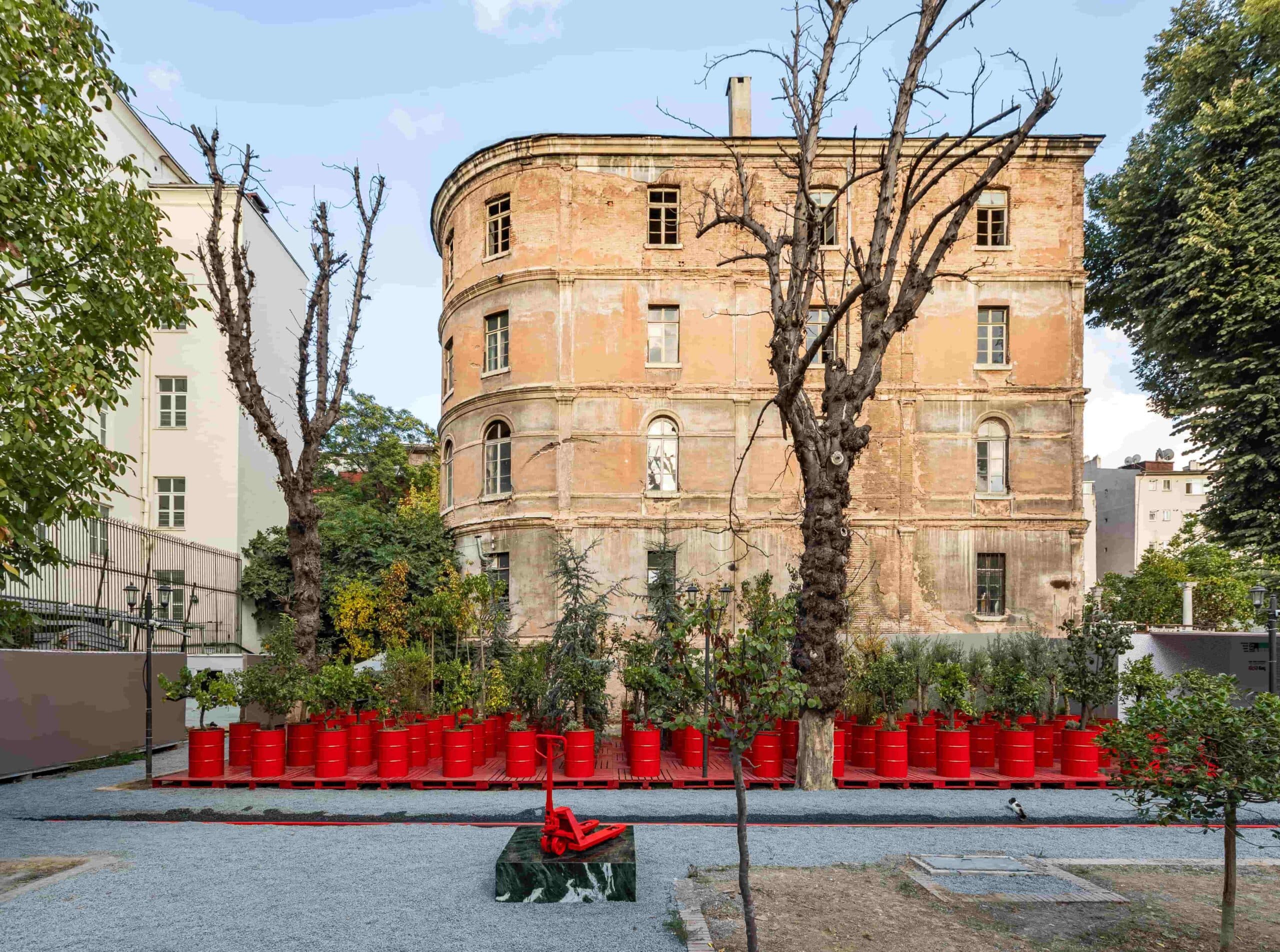
Born in Jerusalem and trained in architecture and fine arts, Rabah’s work questions land, displacement, and dominant historical narratives. His Biennial installation Red Rotavesait (2025) intervenes in the garden of the former French Orphanage: a red pipe, water channel, immobile pallet jack, and saplings in industrial barrels evoke resource control, forced migration, and unstable belonging. His spatial choreography invites visitors to wander among barriers, thresholds, and red surfaces, provoking reflection on witnessing and participation. Rabah has held solo exhibitions in Sharjah, Hamburg, Madrid, and New York; he is also the founder of the Riwaq Biennale and co-founder of the Al Ma’mal Foundation. His works are in major collections including the British Museum, Guggenheim Abu Dhabi, and Mathaf.
Marwan Rechmaoui
Venue: Zihni Han
Rechmaoui investigates the contradictions of urban structures and social systems through sculpture and installation. His Biennial work Chasing the Sun (2023–2025) examines children’s games as lenses that shape societies, where winning and losing symbolically lead to “death.” Drawing from childhood experiences, the work reveals hierarchies defined by property, skill, and status. Rechmaoui has exhibited internationally at MoMA, Serpentine Gallery, Sharjah Biennial, and Istanbul Biennial.
Naomi Rincón-Gallardo
Venue: Galata Greek School
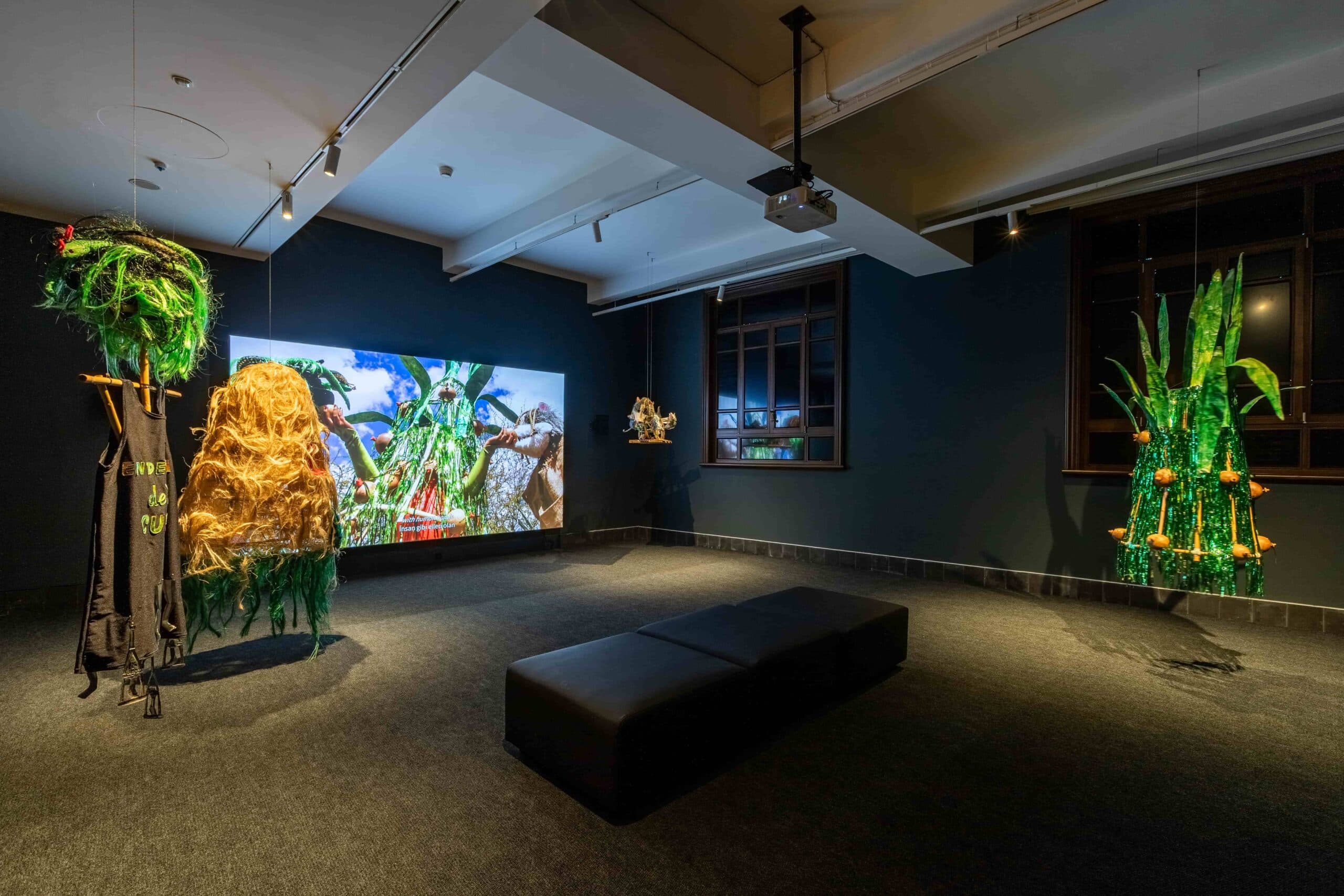
The Mexican artist merges research, performance, and video, reimagining Mesoamerican mythologies through decolonial feminism and queer perspectives. At the Biennial, she presents The Resilience of the Opossum (2019), part of her Trilogy of a Cave series. The work intertwines mythological narratives with the expropriation and destruction caused by mining projects in Oaxaca. Accompanied by a psychedelic and playful visual language, the installation integrates film, suspended costumes, and sculptures, inviting viewers into stories of both real and fictional resistance.
Sara Sadik
Venue: Zihni Han
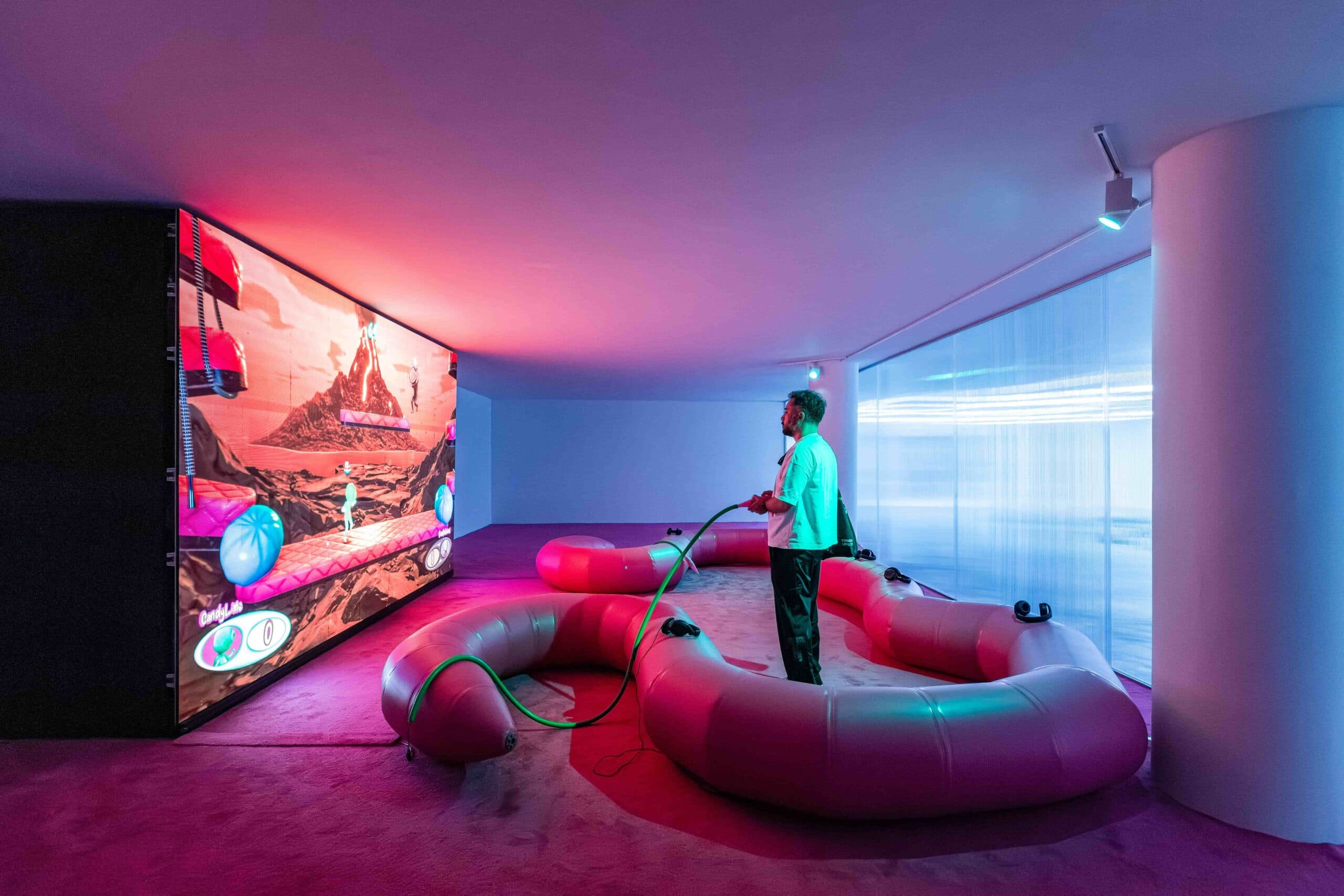
Sadik focuses on the daily lives of migrant communities, exploring youth culture, gaming aesthetics, and social spaces in her videos, performances, and installations. At the Biennial, she presents XENON PALACE Championship (2023), set in a shisha lounge designed with colorful carpets and gaming consoles. It enacts an imaginary tournament where friendship and rivalry intersect. Inviting viewers to participate, the work interrogates the political and cultural significance of these male-dominated spaces while also highlighting their aspects of solidarity and hope.
Elif Saydam
Venue: Zihni Han
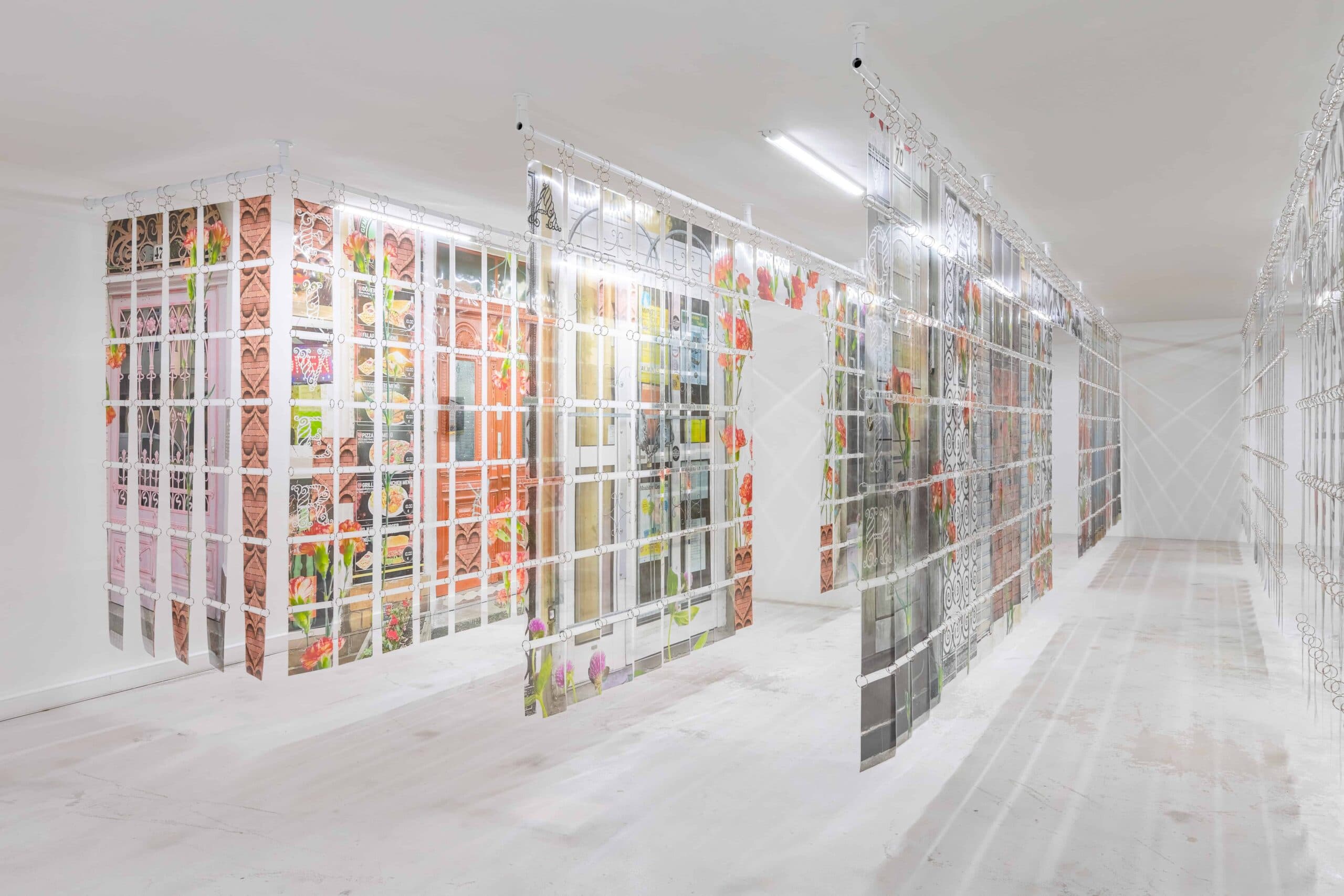
Working with painting, installation, and text, Saydam explores public space, belonging, and desire. Her Biennial installation Hospitality (2024–25) consists of laminated panels fastened with metal rings, creating a curtain-like structure that embodies both invitation and refusal. With references to Turkish folk literature and the verses of Âşık Veysel, the work highlights contemporary political contexts where freedom of expression is suppressed and minority communities are excluded. Her earlier large-scale works similarly confronted the intersections of daily life and politics through multi-layered surfaces evoking city fabric, migration, and community.
Selma Selman
Venue: Zihni Han
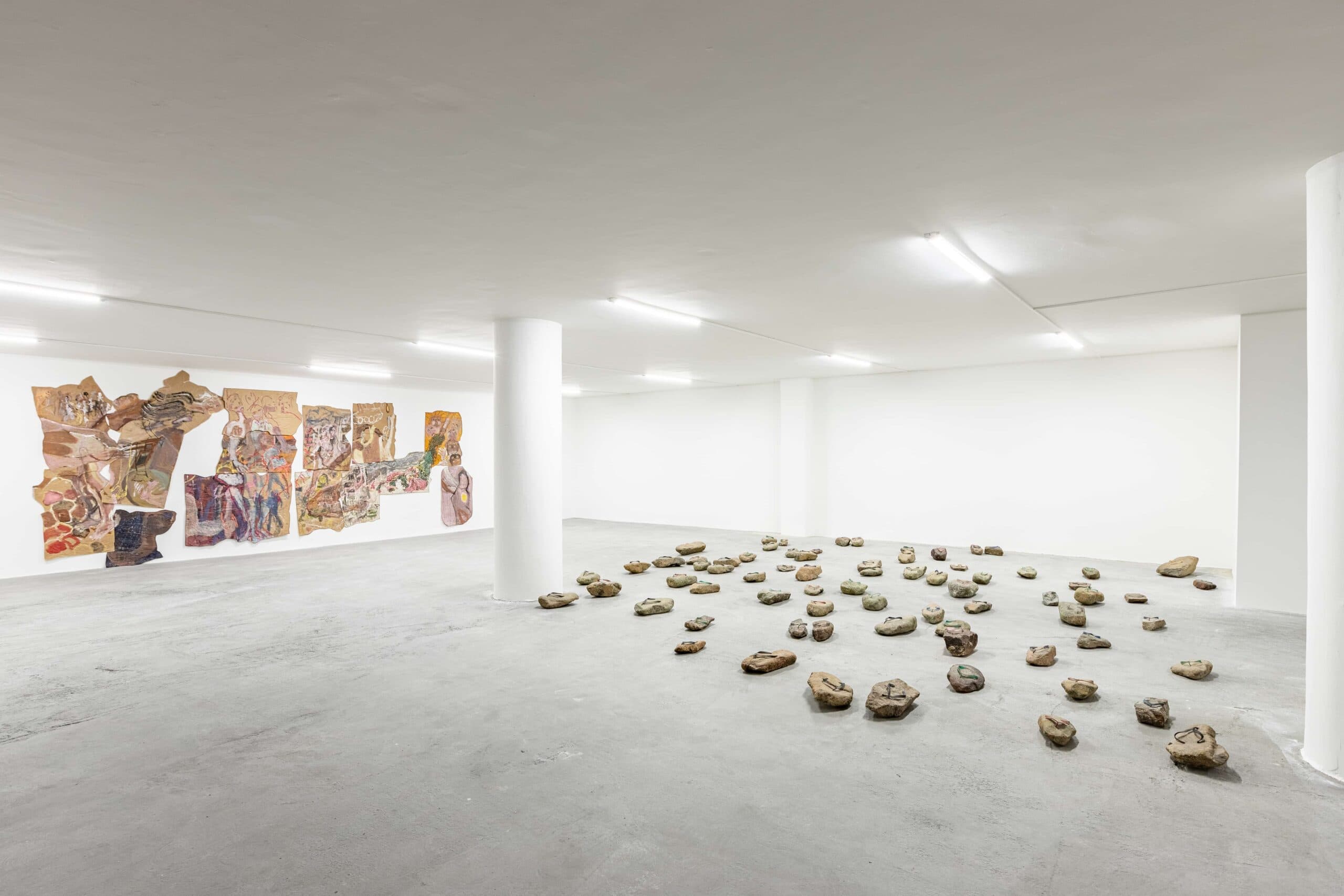
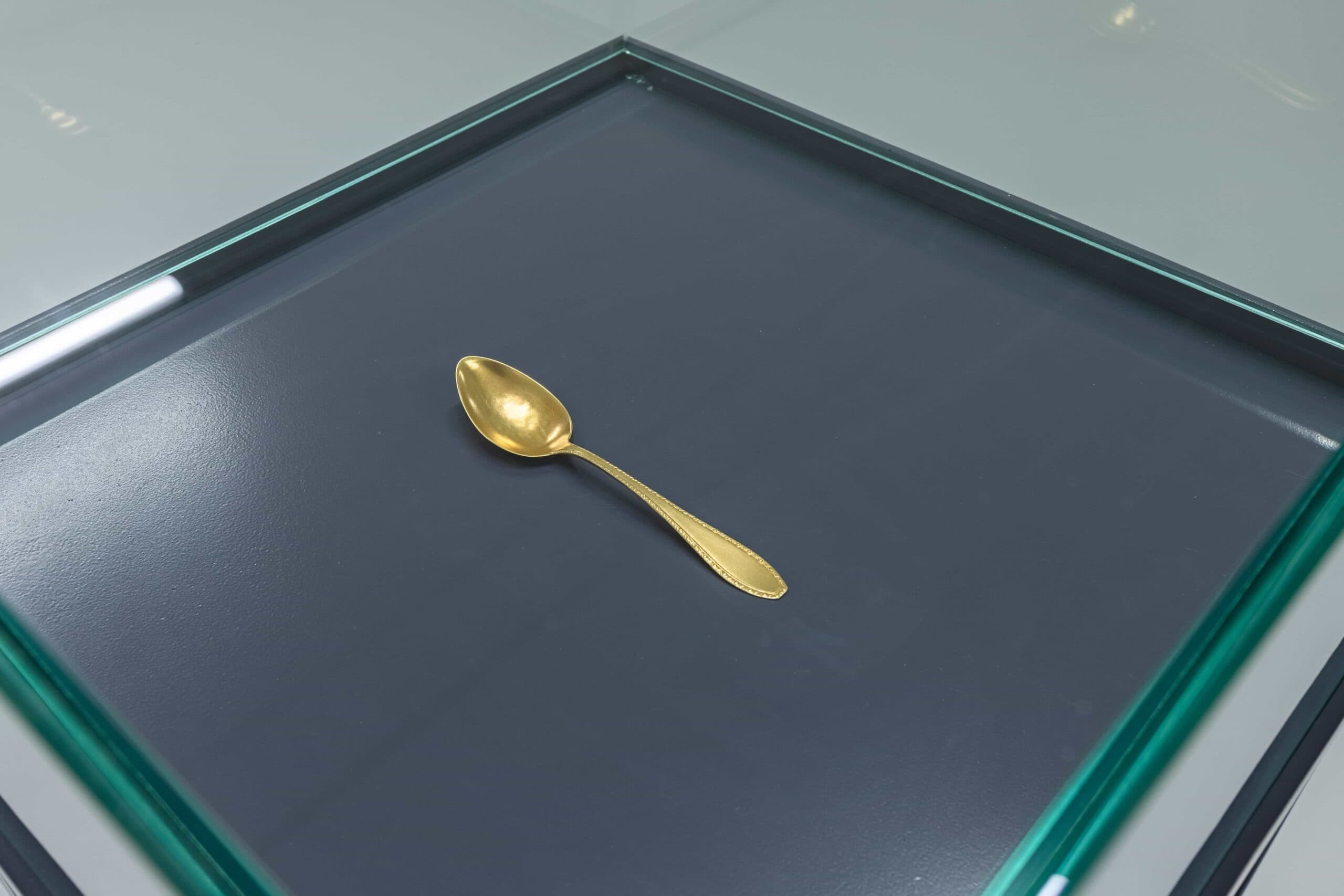
An artist and activist of Roma origin, Selman draws on her family history and community experiences to address women’s roles, the right to education, and invisible labor. At the Biennial, she presents Motherboards (2025), beginning with a live performance in which she and her family dismantle computer motherboards to extract fragments of gold. This collective act exposes electronic waste recycling as both livelihood and overlooked labor. The recovered gold is transformed into a spoon and placed in the exhibition space among hundreds of shattered computer parts.
Sevil Tunaboylu
Venue: Zihni Han
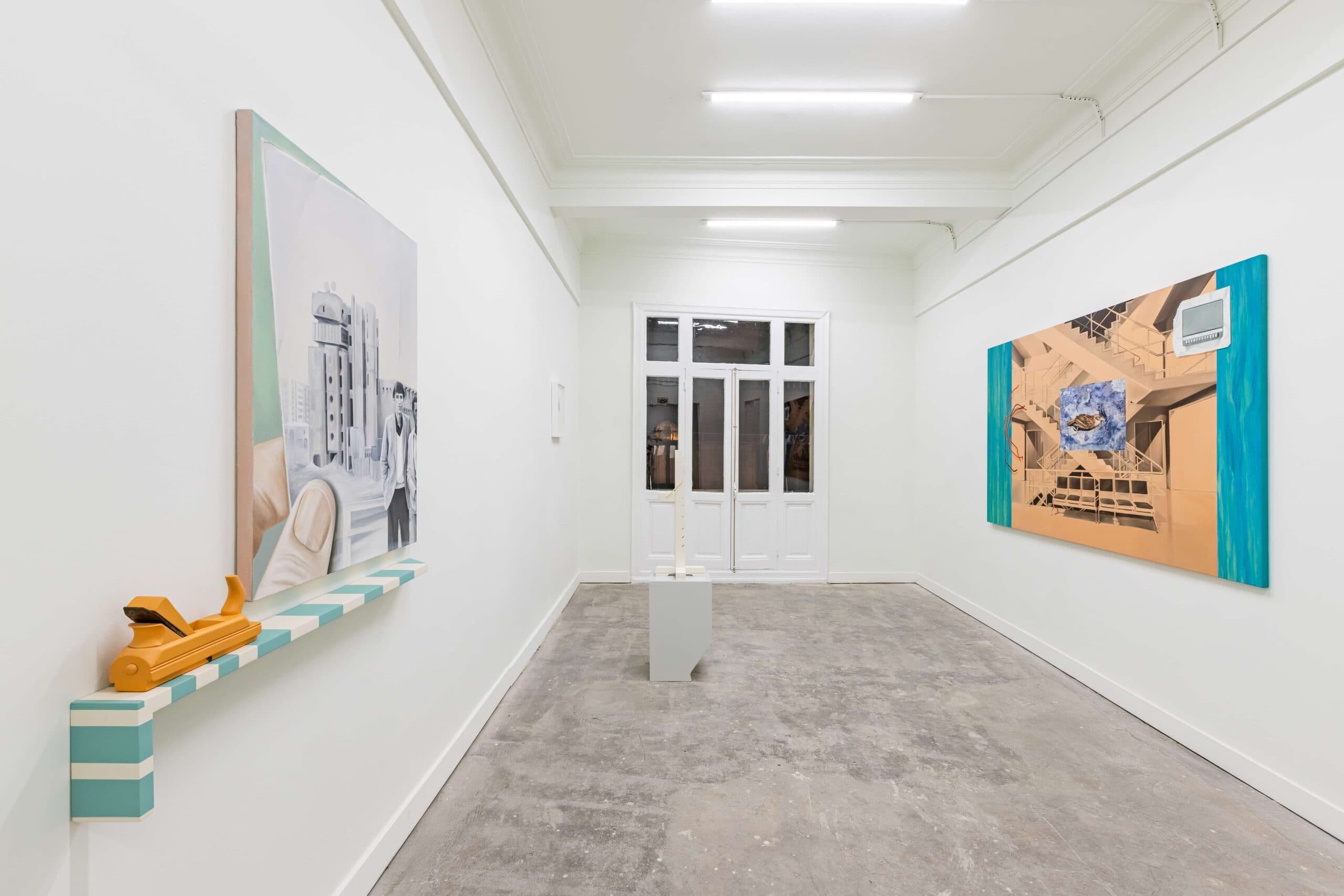
A graduate of Mimar Sinan University’s Painting Department, Tunaboylu is known for works that weave together personal history and collective mythology. At the Biennial, her work Field (2024) takes her family’s migration from Skopje to Istanbul as its starting point, creating a symbolic narrative of migration, loss, and resilience. Using family archive photos, keepsakes, and repurposed carpentry tools, she constructs a tactile memory. From lizard sculptures to reworked construction rods, the elements evoke both Turkey’s relentless urbanization and the continually reconstructed nature of heritage and belonging.
Dilek Winchester
Venue: Galeri 77
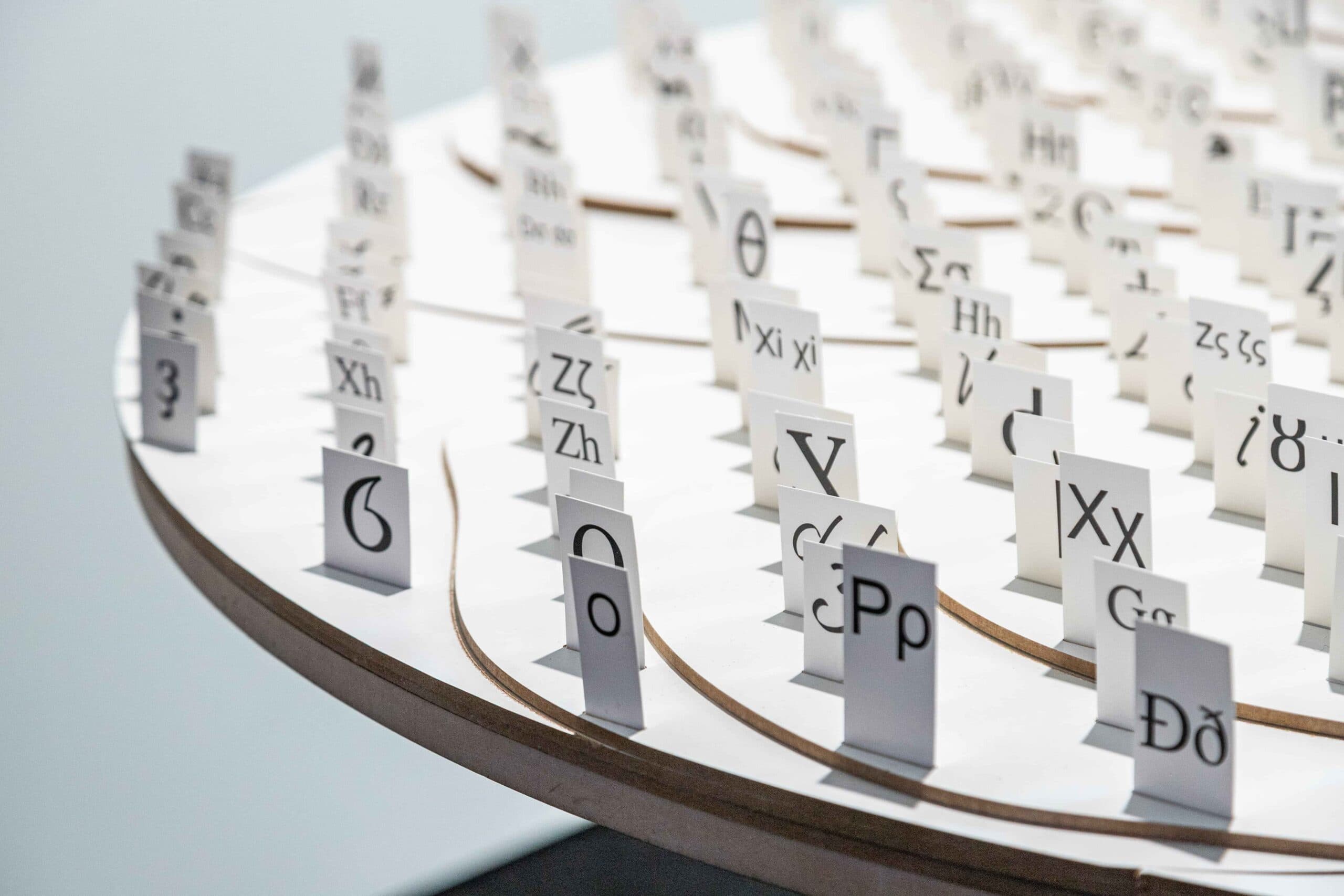
Winchester’s practice revolves around language, alphabet reforms, and translation, interrogating personal and collective memory through the history of writing. At the Biennial, her work 410 Letters: On Reading and Writing (Albanian) (2025) takes viewers on a visual and sonic journey through forgotten versions of the Albanian alphabet. Her piece Untitled (Kendinibeğen…) (2012–2025) projects a word from Oğuz Atay’s Tutunamayanlar onto the building’s façade in Latin, Arabic, Hebrew, Armenian, and Greek scripts. Her works create deep spaces for reflection on identity, belonging, and cultural heritage through alphabets.
Akram Zaatari
Venue: Galata Greek School
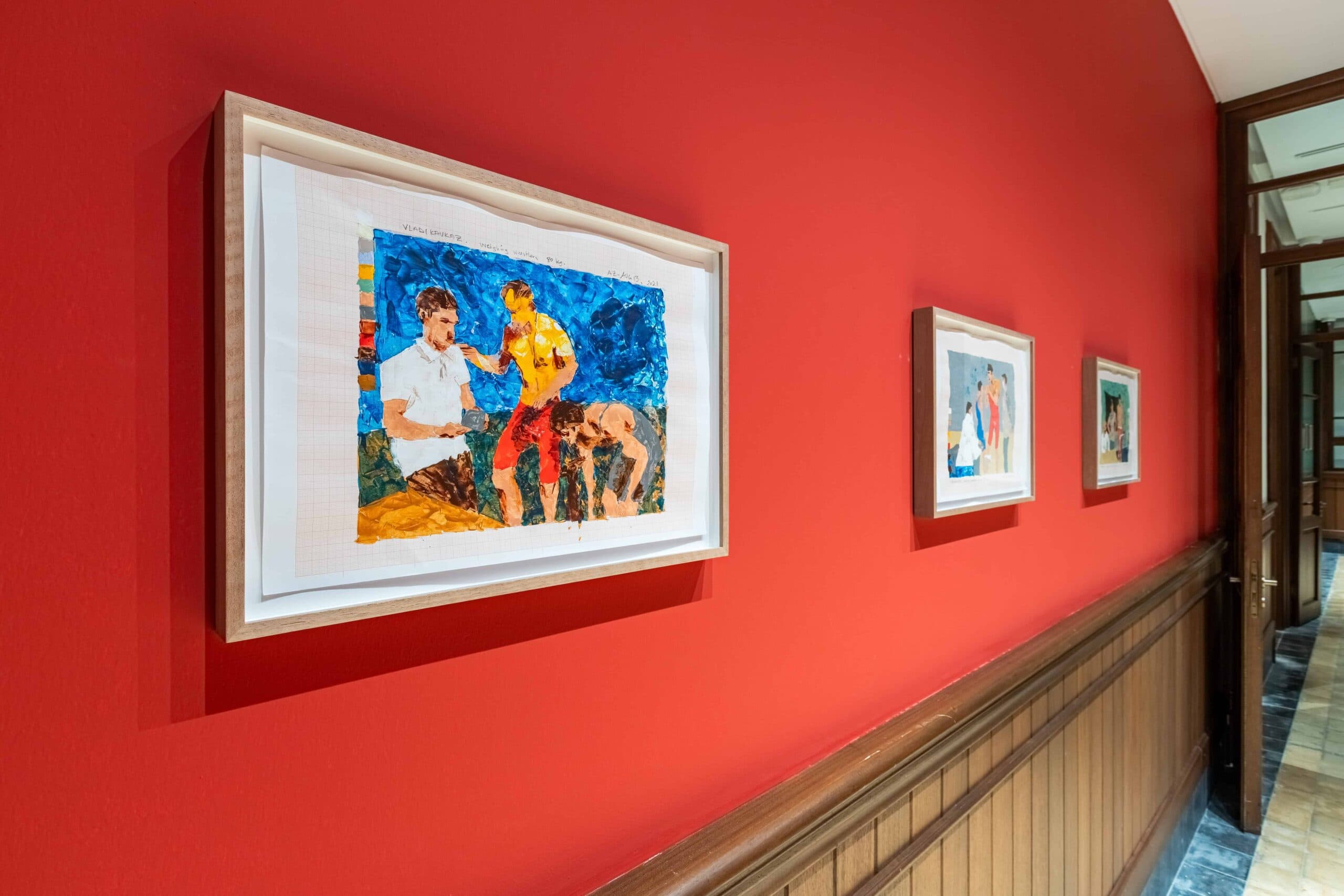
Known for combining photography, video, film, and archival work, Zaatari explores themes of desire, memory, surveillance, and resistance. As a founder of the Arab Image Foundation, he is also recognized for his archives of Middle Eastern photography. At the Biennial, he presents 16 drawings inspired by the traditional oil wrestling practices common in Turkey, Iran, and the Balkans. These wrestler figures, sketched on graph paper, probe physical closeness, masculine performance, and the rituals of homosocial culture. The works balance strength and technique while also evoking the loneliness of the pandemic era.
Ayman Zedani
Venue: Galata Greek School
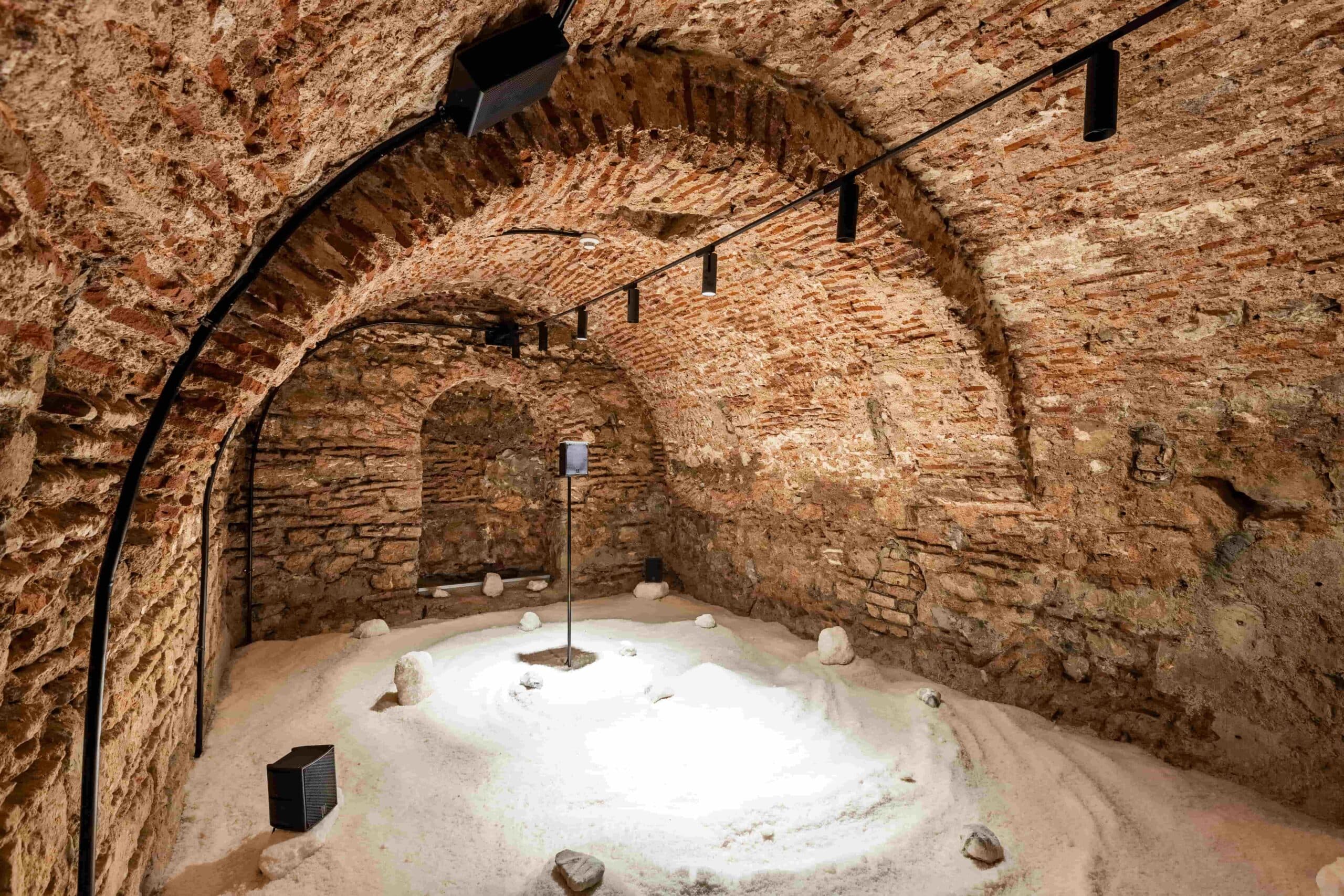
Producing video, installation, and site-specific works, Zedani develops a research-based practice examining the future of the Gulf through human–nonhuman relations. His Biennial work Between Desert Seas (2021) reflects on the culture of non-migratory humpback whales in the Arabian Sea, connecting it with the story of Prophet Jonah. With field research conducted at Tuz Lake and Nevşehir in Turkey, his sculptural components use salt to reference both ecological issues and objects of mourning. Zedani interweaves environmental destruction, spiritual transmission, and technology’s impact on ecosystems.
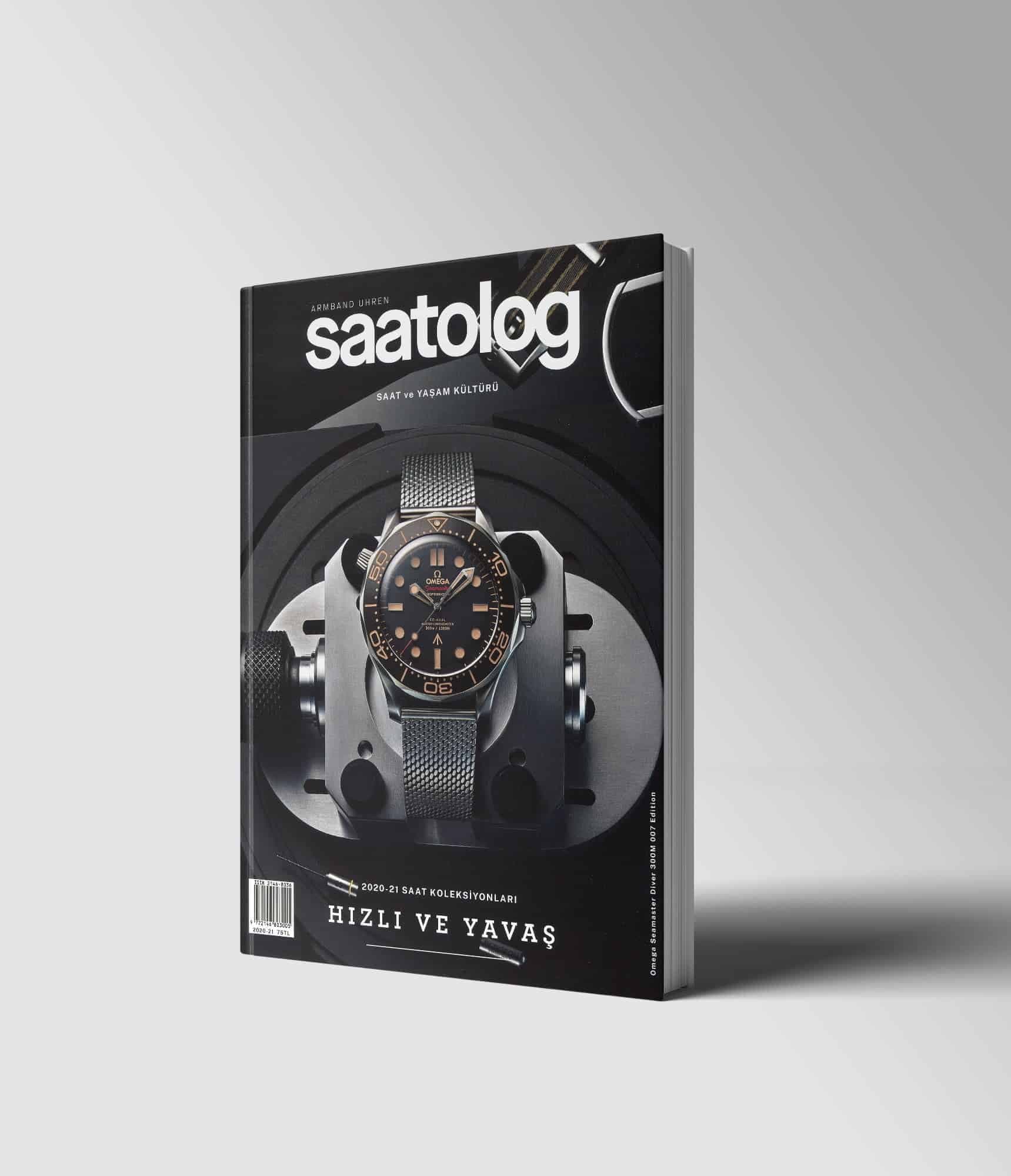
Saatolog Yıllık Saat Dergisi Saatolog’un yeni sayısı, 2020’nin yarattığı bu dönüştürücü etkiden ilham alarak hazırlandı. Dünya dijitalin etkisiyle her zamankinden de hızlı bir şekilde ilerlerken yavaşlamanın da önemini sonunda kavramış bulunuyoruz ve bu tezatlık hayatlarımızın her anına etki ediyor. Biz de bundan yola çıkarak Saatolog 2020/21 sayısını ‘‘hızlı ve yavaş’’ teması altında hazırladık.