The 19 cultural sites newly included on the UNESCO World Heritage List offer a compelling discovery list for your next journey.
Contents
Mount Olympus, Greece
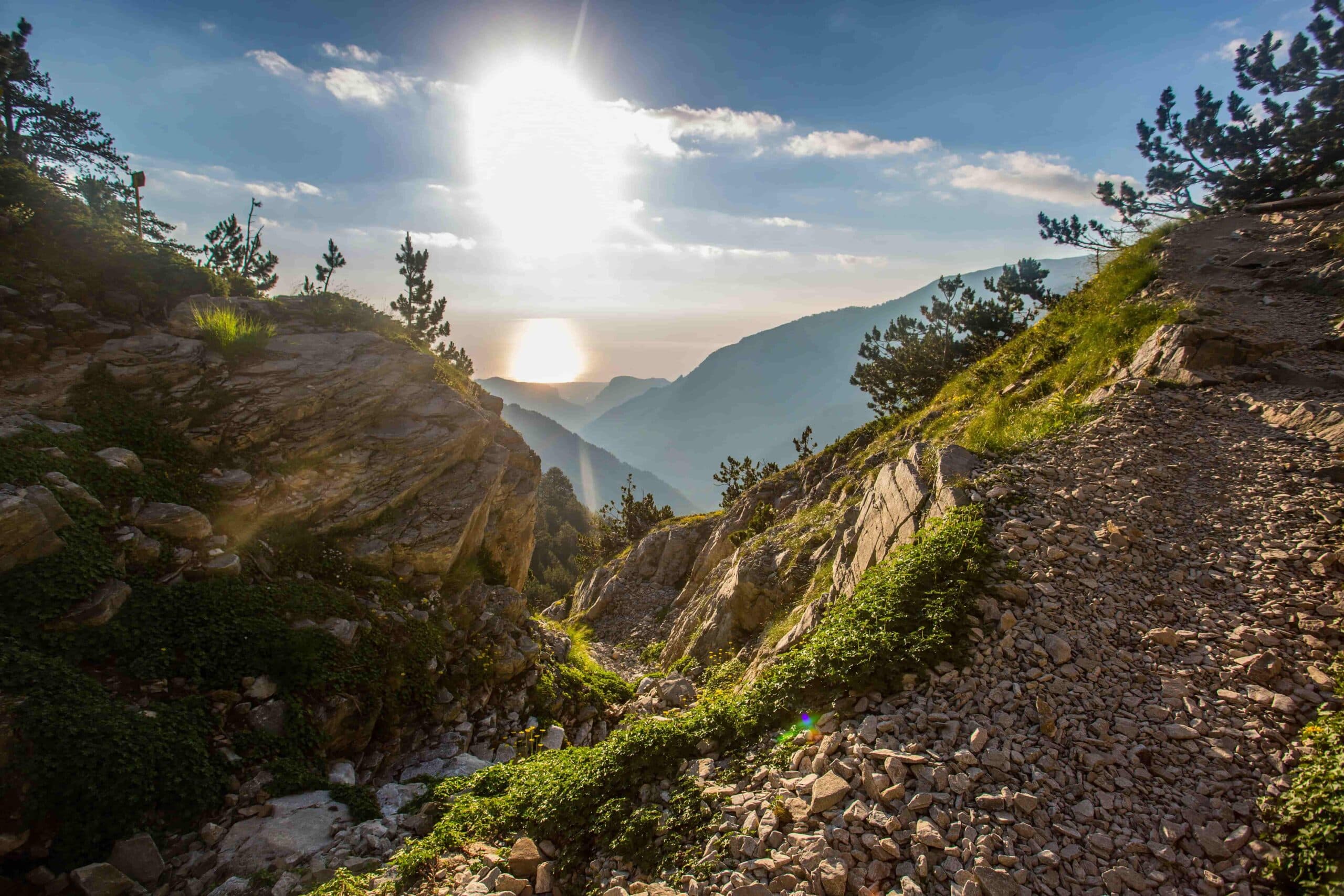
Located in northern Greece and rising to 2,918 metres, making it the country’s highest peak, Mount Olympus has been granted “mixed heritage” status for meeting both cultural and natural criteria. Regarded in ancient Greek mythology as the legendary home—and throne—of the Twelve Olympian Gods and Zeus, the mountain has become a global cultural symbol from antiquity to the present day, thanks to the works of Homer and Hesiod.
Rising abruptly from near sea level, Mount Olympus also has a unique microclimate and is home to more than 1,700 plant species, including endemic varieties found only in the region. The mountain is also known for its extraordinary landforms, including glacial cirques, limestone cliffs, deep canyons such as the Enipeas Gorge, and karst sinkholes.
New World Heritage Sites
D-Day Landing Beaches, France
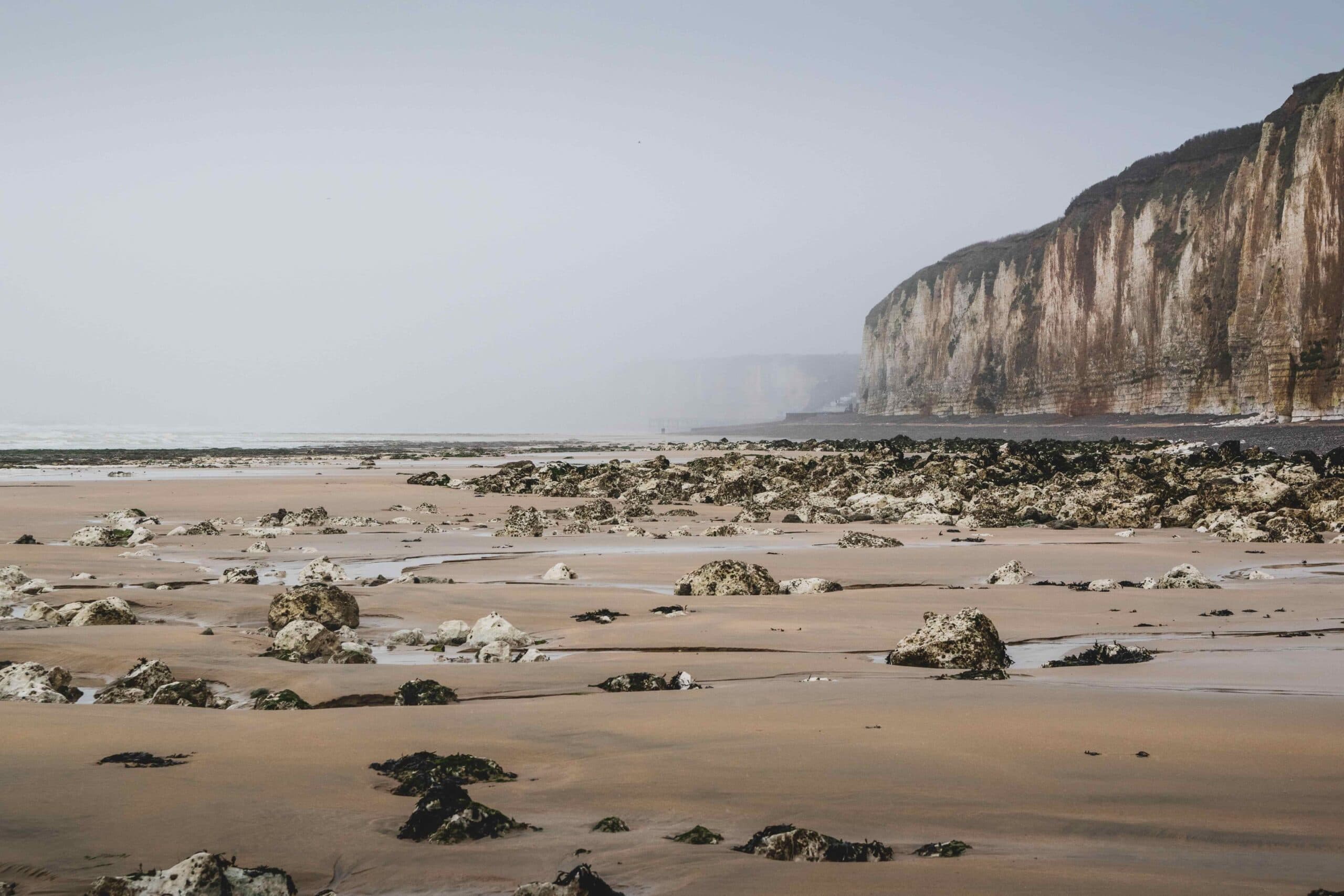
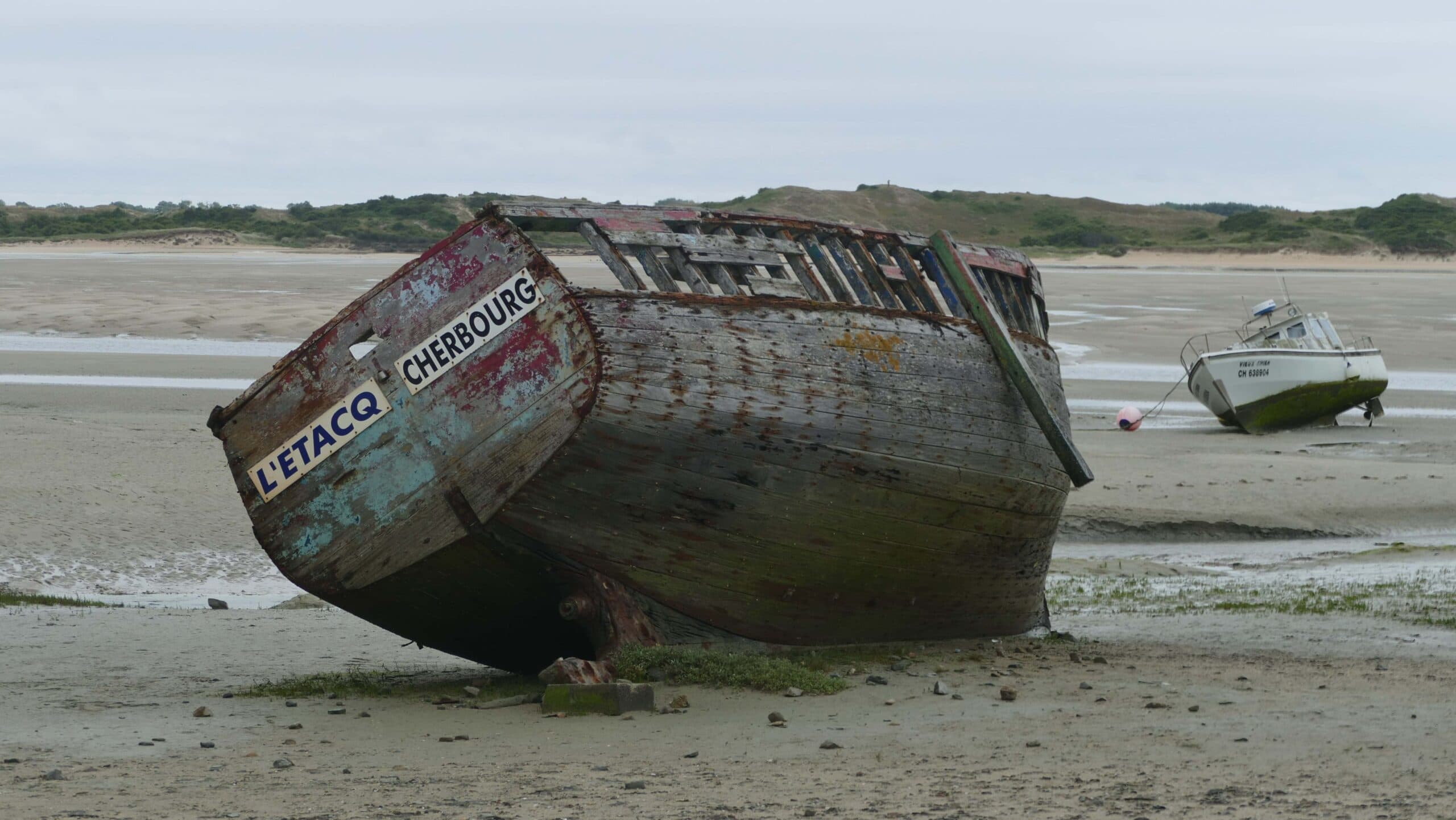
The D-Day Landing Beaches encompass approximately 80 kilometres of protected coastline across the Calvados and Manche departments in northern France. A turning point in the Second World War and in the liberation of Europe from Nazi occupation, this stretch of coastline has been placed under protection in the “cultural heritage” category for its outstanding universal value.
The designated area includes all five beaches where Allied forces landed on 6 June 1944—Utah, Omaha, Gold, Juno and Sword—as well as tangible traces of the war, including bunkers and artillery batteries belonging to the German Atlantic Wall, the concrete remains of the artificial Mulberry Harbour at Arromanches, and military equipment. The cemeteries and memorials across the region, particularly the Normandy American Cemetery at Colleville-sur-Mer, have also been recognised as places of shared human memory and part of our collective remembrance.
New World Heritage Sites
Jingdezhen Traditional Porcelain Industry Sites, China
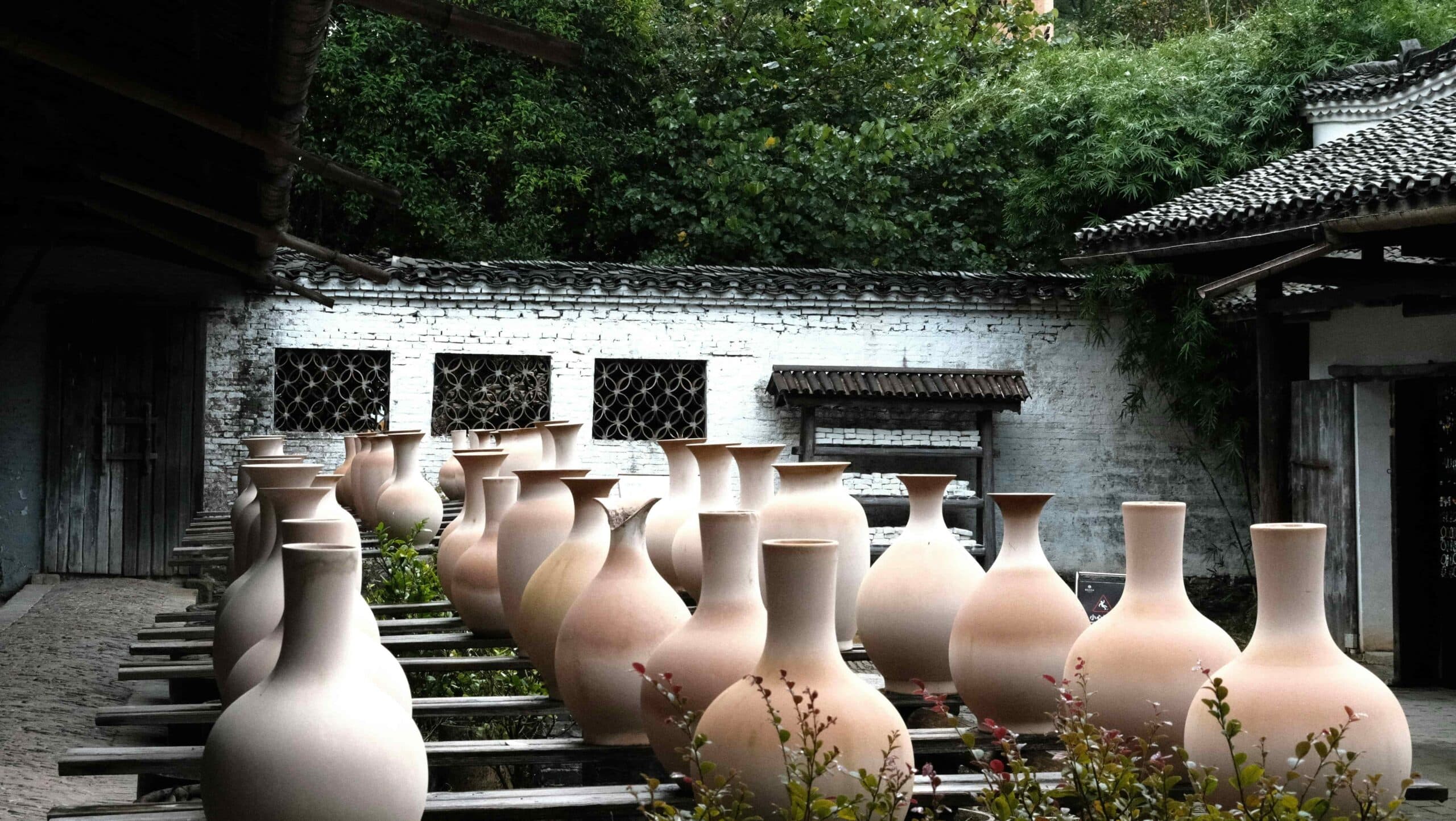
Located in China’s Jiangxi province and known for more than a thousand years as the “Porcelain Capital of the World”, Jingdezhen has become the country’s 61st World Heritage Site with this inscription. It is also the first World Heritage Site to focus directly on porcelain and industrial production.
New World Heritage Sites
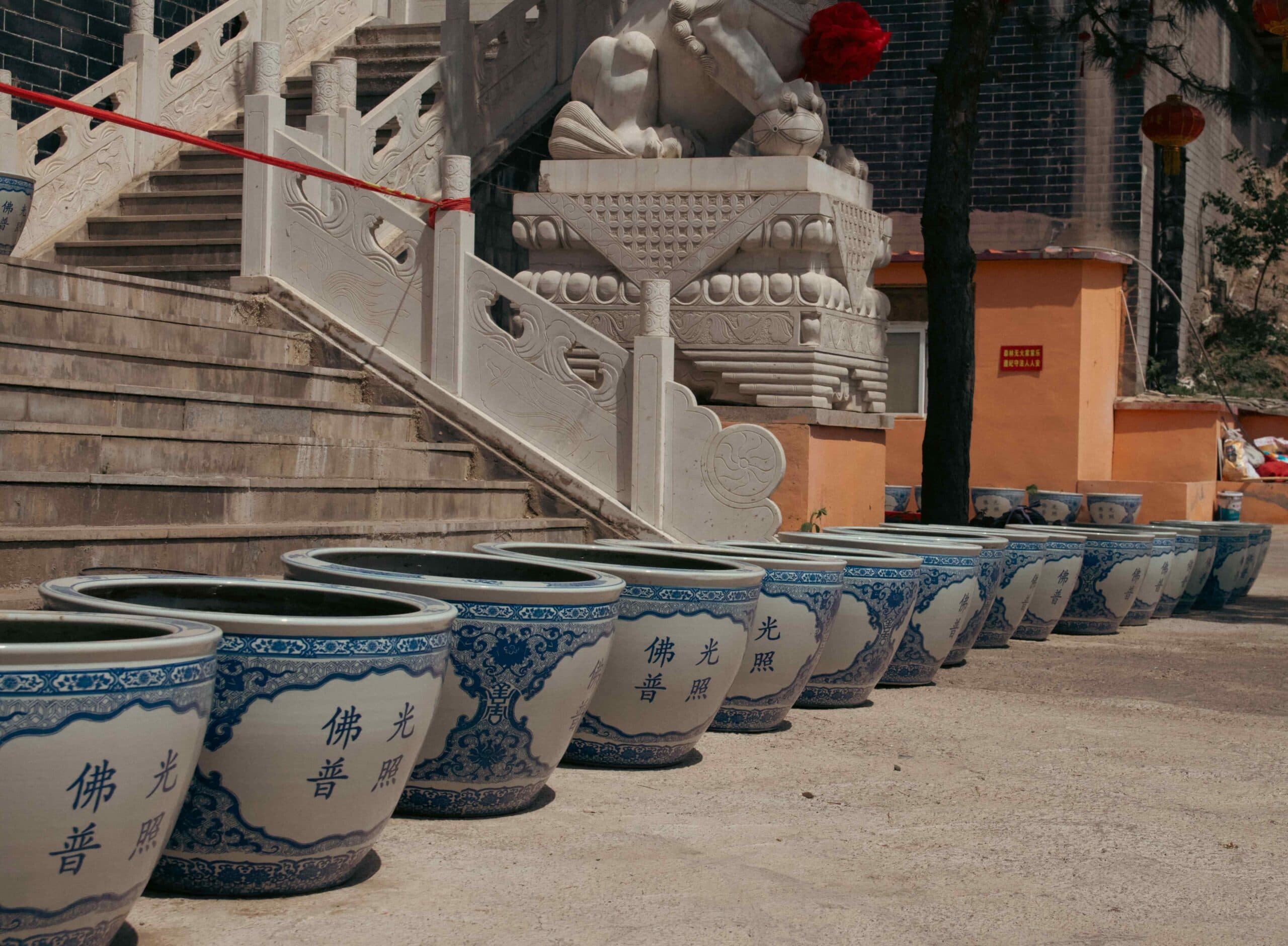
The protected heritage area consists of five main groups covering every stage of production, from the mines where porcelain stone and kaolin clay were extracted to historic river docks, ancient kiln remains, workshops and market towns. One of these, the Imperial Kilns of Yuyaochang, was home to elite kilns that served the imperial courts through the Tang, Song, Yuan, Ming and Qing dynasties, from the 10th to the 19th century. The Yuyaochang Archaeological Heritage Park lies at the heart of this historic landscape.
The famous blue-and-white porcelain associated with the Qinghua tradition, which spread around the world via the Maritime Silk Road, is considered one of the greatest historical symbols of Chinese art and global cultural exchange.
New World Heritage Sites
Modernist Architecture of Tashkent, Uzbekistan
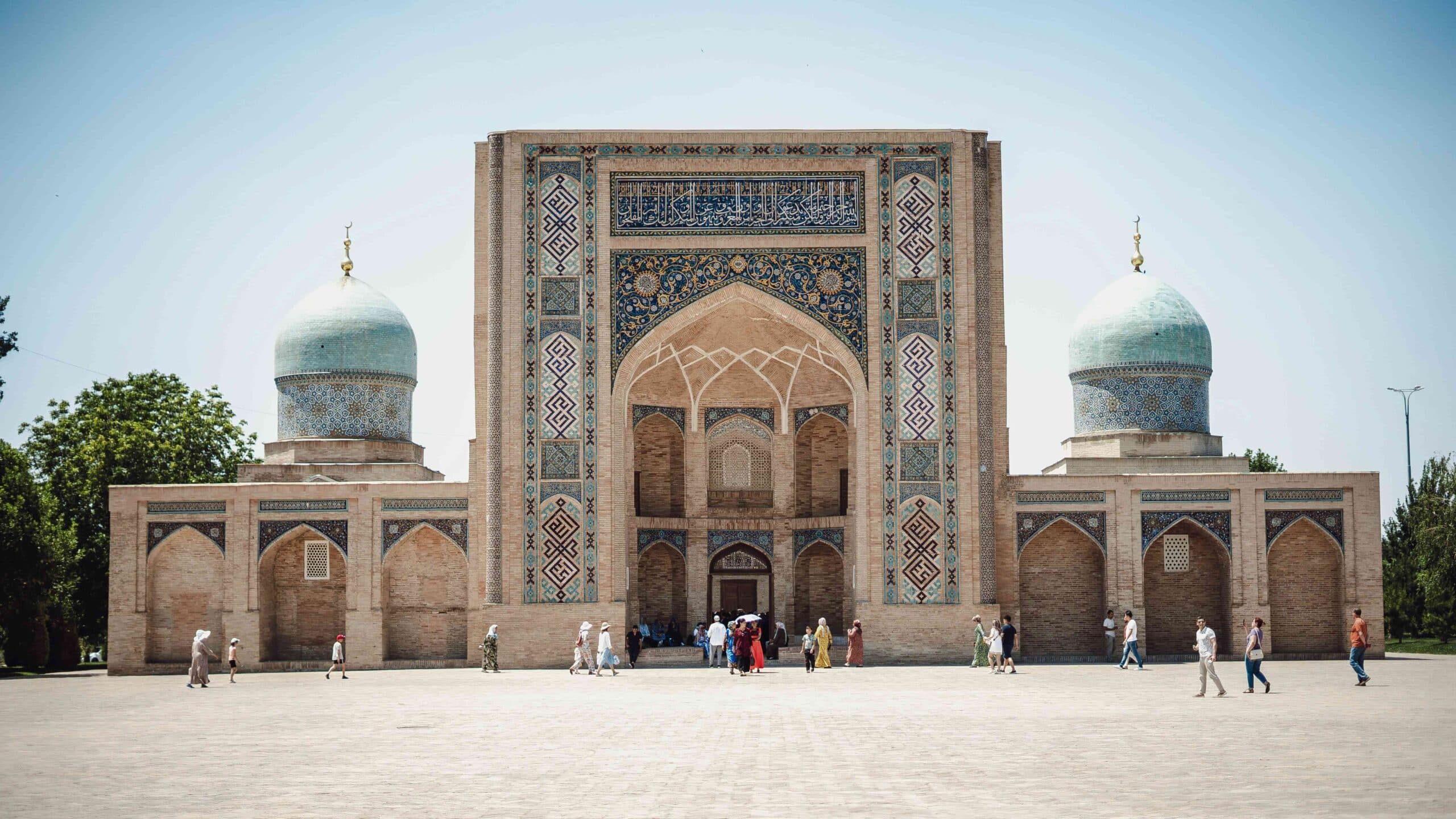
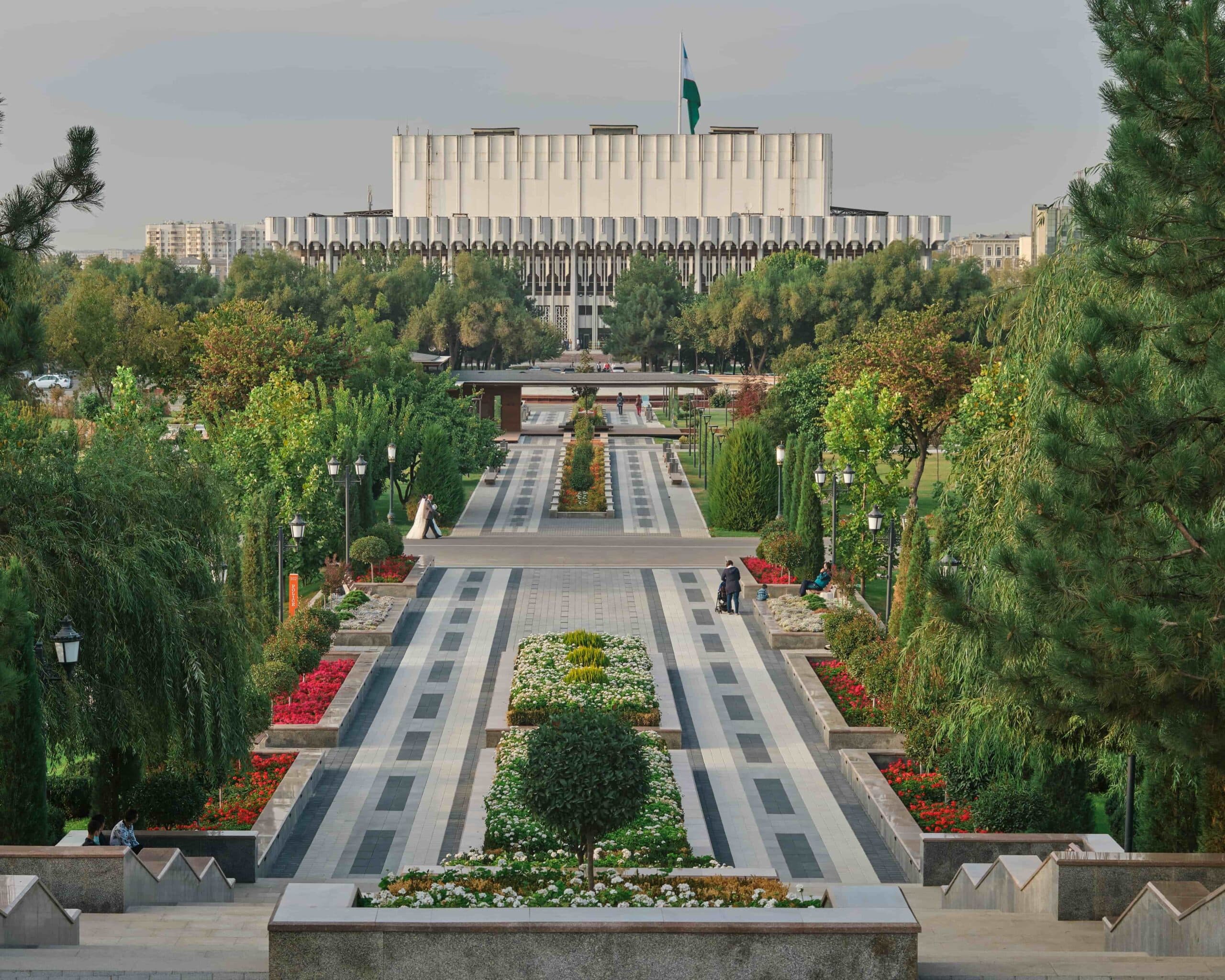
Ten iconic modernist buildings constructed in Tashkent, the capital of Uzbekistan, between the 1960s and the early 1990s have been added to the UNESCO World Heritage List. With this decision, Uzbekistan has become the first country in Central Asia and the Commonwealth of Independent States to enter the UNESCO list with 20th-century modernist architecture.
New World Heritage Sites
Following the devastating earthquake of 1966, Tashkent was replanned and rebuilt as a socialist metropolis. International modernist design principles were blended with traditional Central Asian craft motifs, local climatic conditions and seismic engineering developed to withstand the region’s high earthquake risk. The protected buildings are living public spaces that embody the city’s social memory, collective identity and the vision of the future that defined the era.
New World Heritage Sites
Sidi Bou Saïd, Tunisia
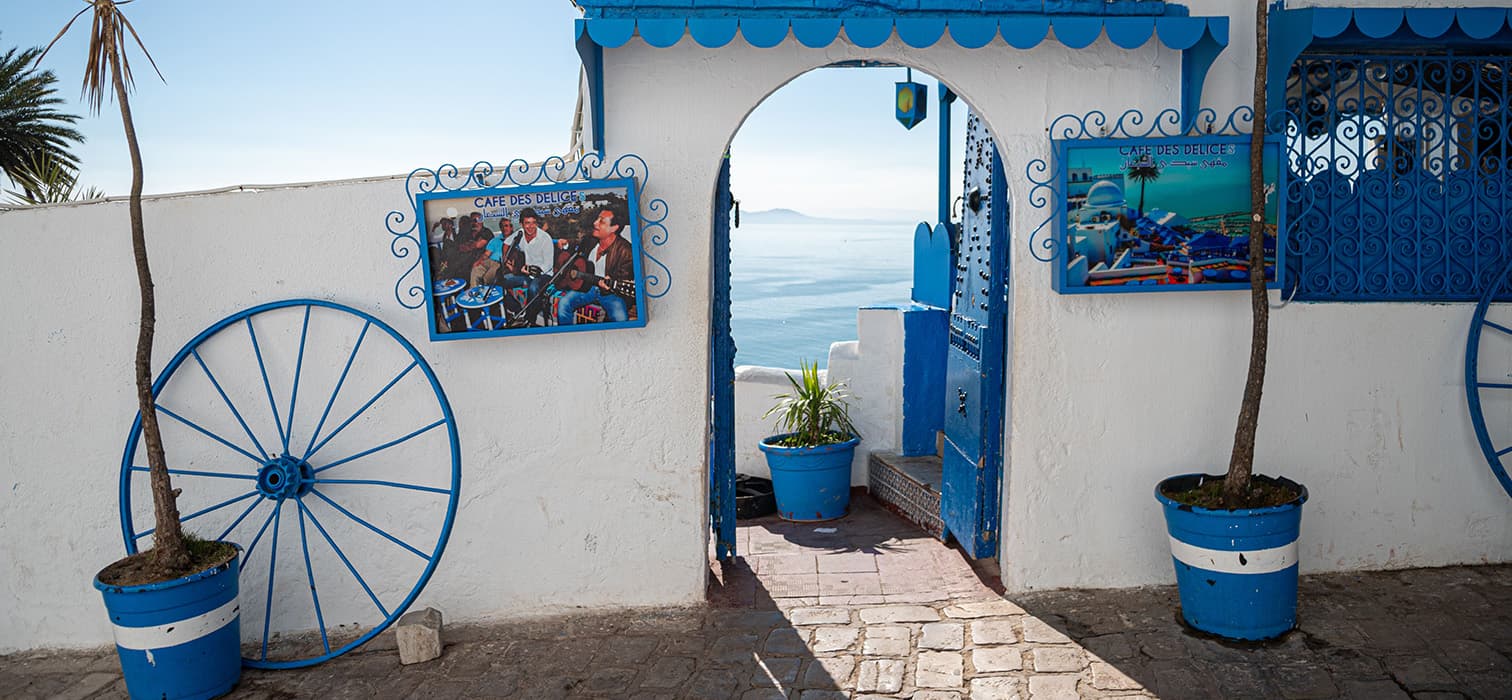
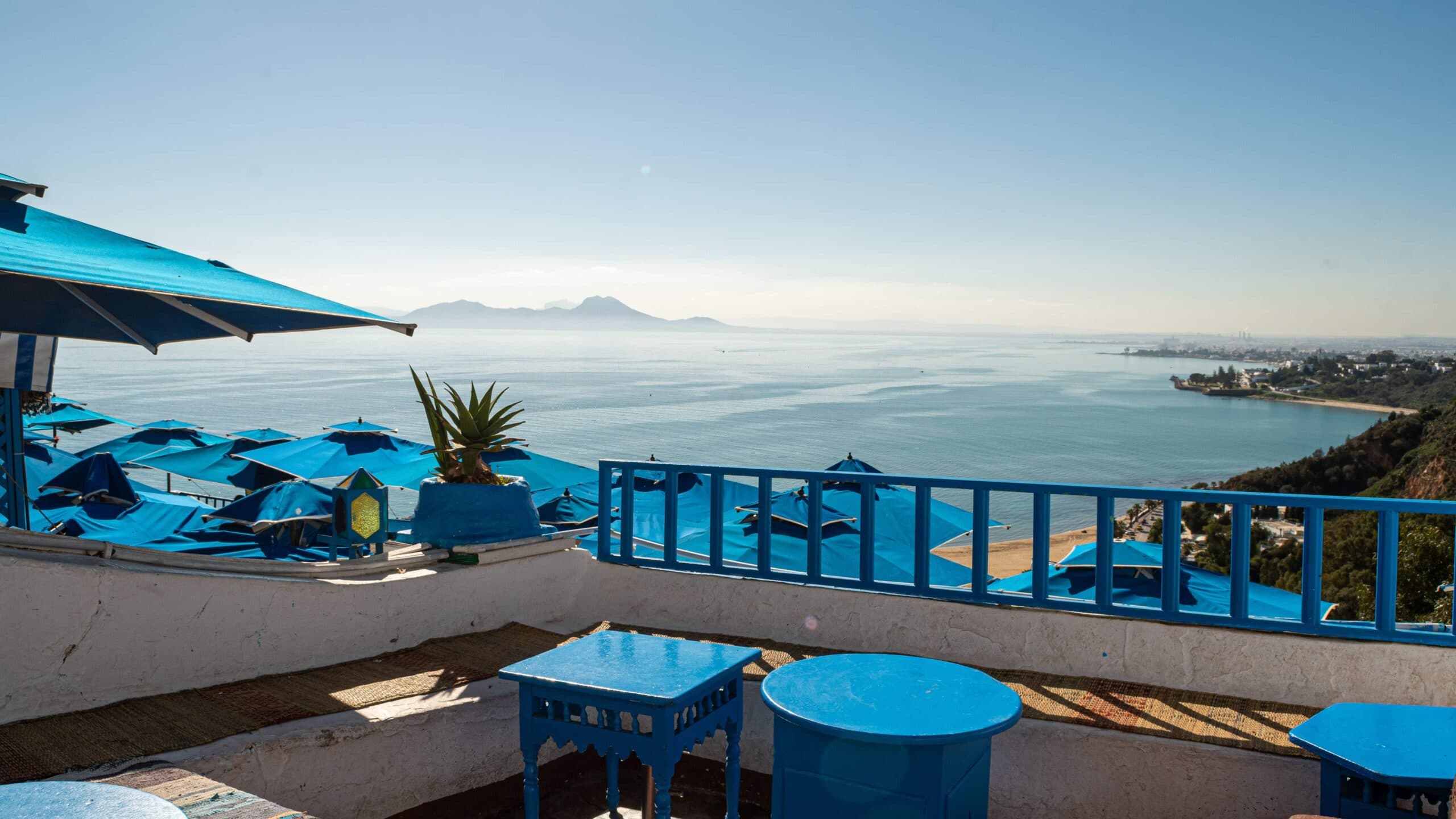
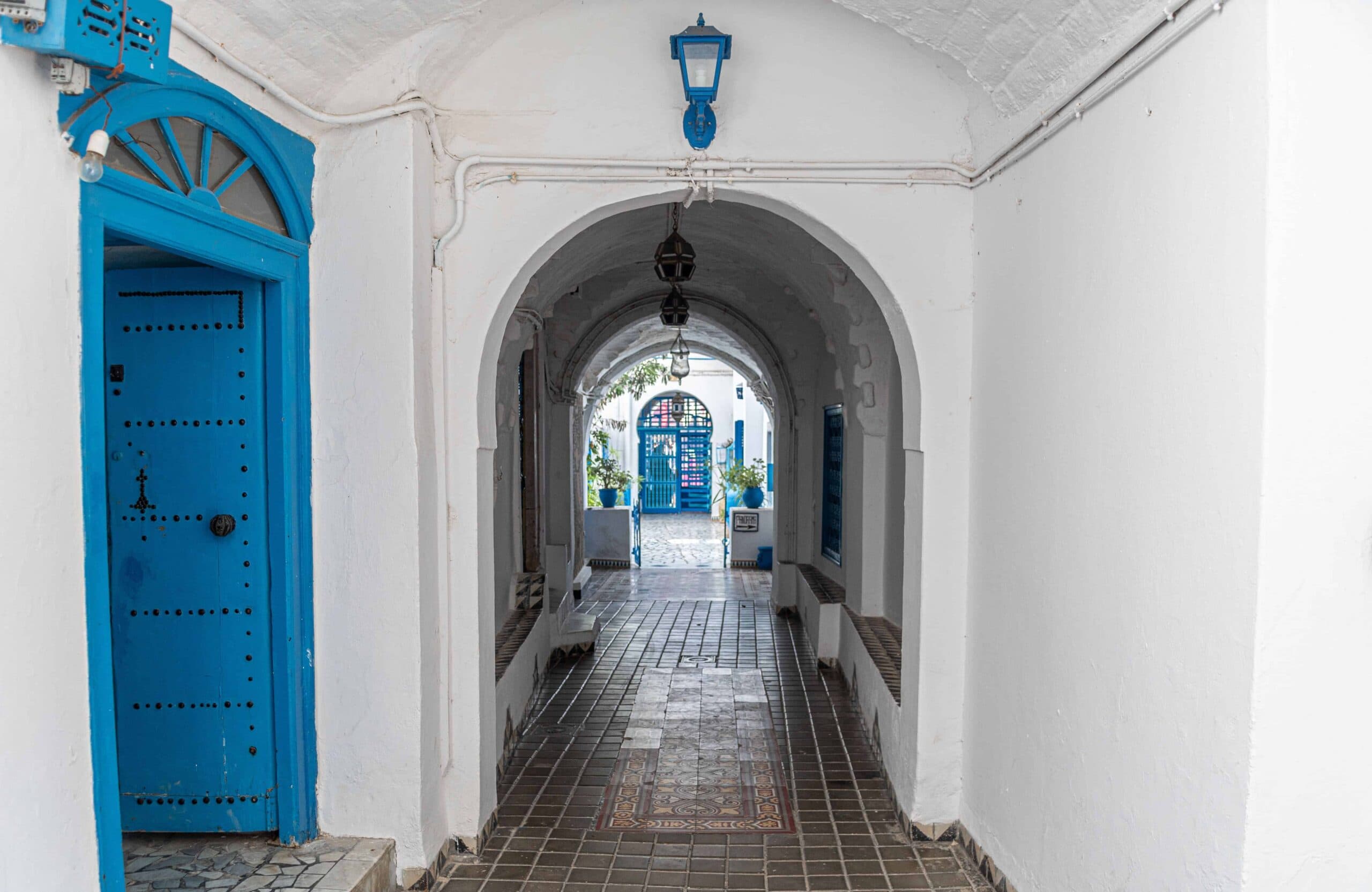
Perched on a steep cliff overlooking the Gulf of Tunis, Sidi Bou Saïd is a historic Tunisian town known around the world for its blue-and-white architecture, narrow streets and bougainvillea. This enchanting Mediterranean settlement has been regarded for centuries as an artistic haven that has inspired painters, writers and philosophers.
New World Heritage Sites
The town, which earned its place on the UNESCO list thanks to these qualities, takes its name from Abu Said al-Baji, an Arab Sufi religious scholar who lived here during the 12th and 13th centuries and established a spiritual retreat in the area. With the arrival of Andalusian Muslims, or Moriscos, fleeing Spain in the 16th and 17th centuries, finely crafted courtyards, marble arches and decorative ceiling details became part of the town’s architecture.
Its characteristic whitewashed walls and studded, arched blue doors and windows gained legal protection in the 1920s through the efforts of French musicologist and painter Baron Rodolphe d’Erlanger, who lived here. The magnificent palace built by Baron d’Erlanger now houses an institute devoted to Mediterranean and Arab music as well as a museum of musical instruments.
New World Heritage Sites
Teatro Amazonas, Brazil
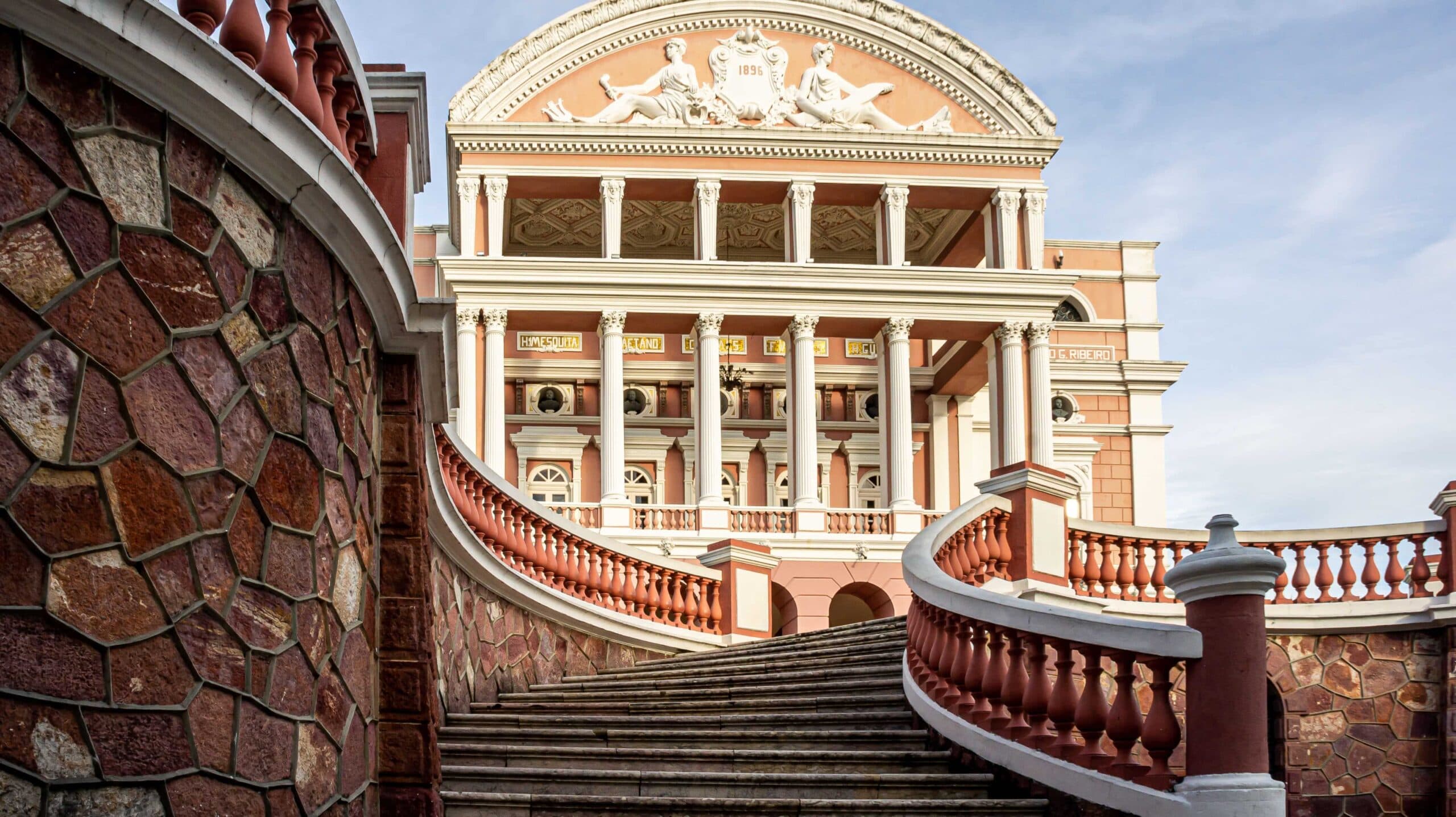
The first cultural heritage site in the history of Brazil’s northern region, the Amazon Basin, is the Teatro Amazonas. With this inscription, two historic opera houses rising in the heart of the Amazon, together with their iconic city squares, have been placed under protection as part of a single nomination.
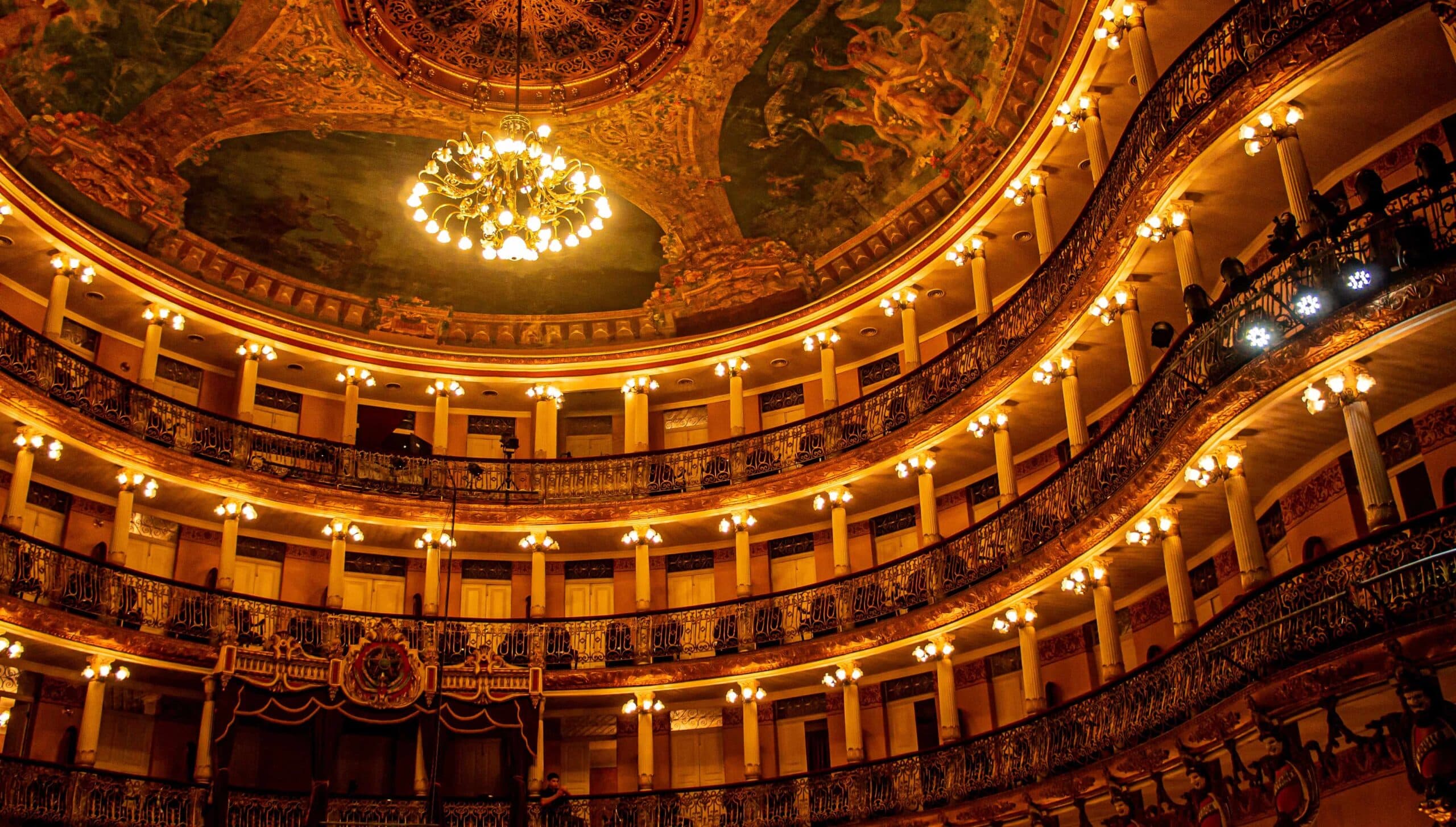
Opened in 1896 and captivating visitors with its monumental architecture in the middle of the rainforest, the opera house is famous for its dome covered with 36,000 ceramic tiles imported from France in the colours of the Brazilian flag, its Italian marble and its Glasgow steel structures.
New World Heritage Sites
Another opera house, opened in 1878, is one of the region’s oldest and most magnificent examples of Neoclassical architecture and symbolises the power Belém, the port city known as the gateway to the Amazon Basin, enjoyed at the time. The theatres were built during the period of immense wealth and splendour created by the region’s rubber trade between 1879 and 1912, known as the Amazon’s Golden Age or Belle Époque.
Although European—particularly French and Italian—architecture served as the main inspiration for the buildings, their interiors feature motifs depicting the Amazon River, local flora and the rainforest.
New World Heritage Sites
The Aalto Works, Finland
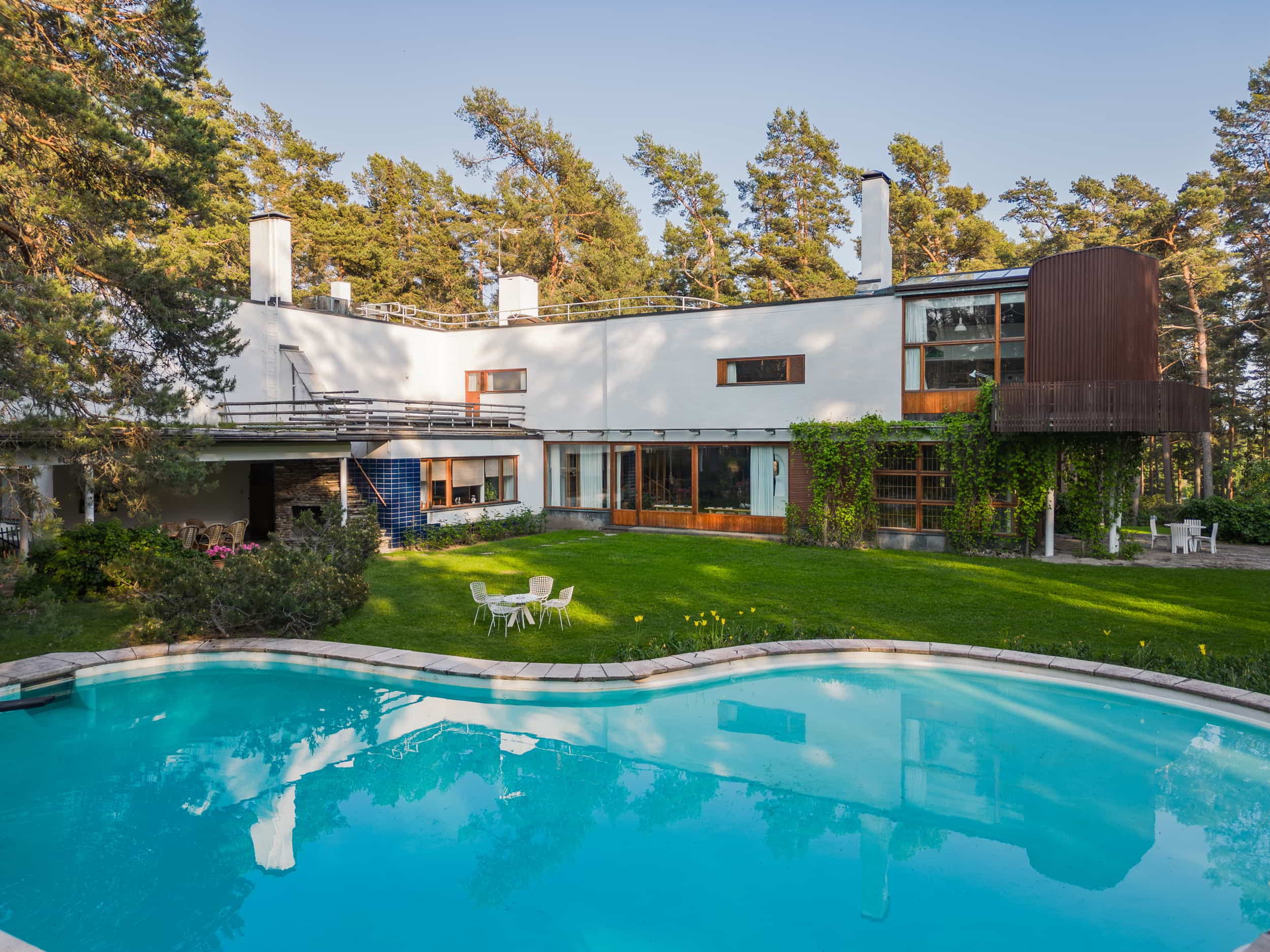
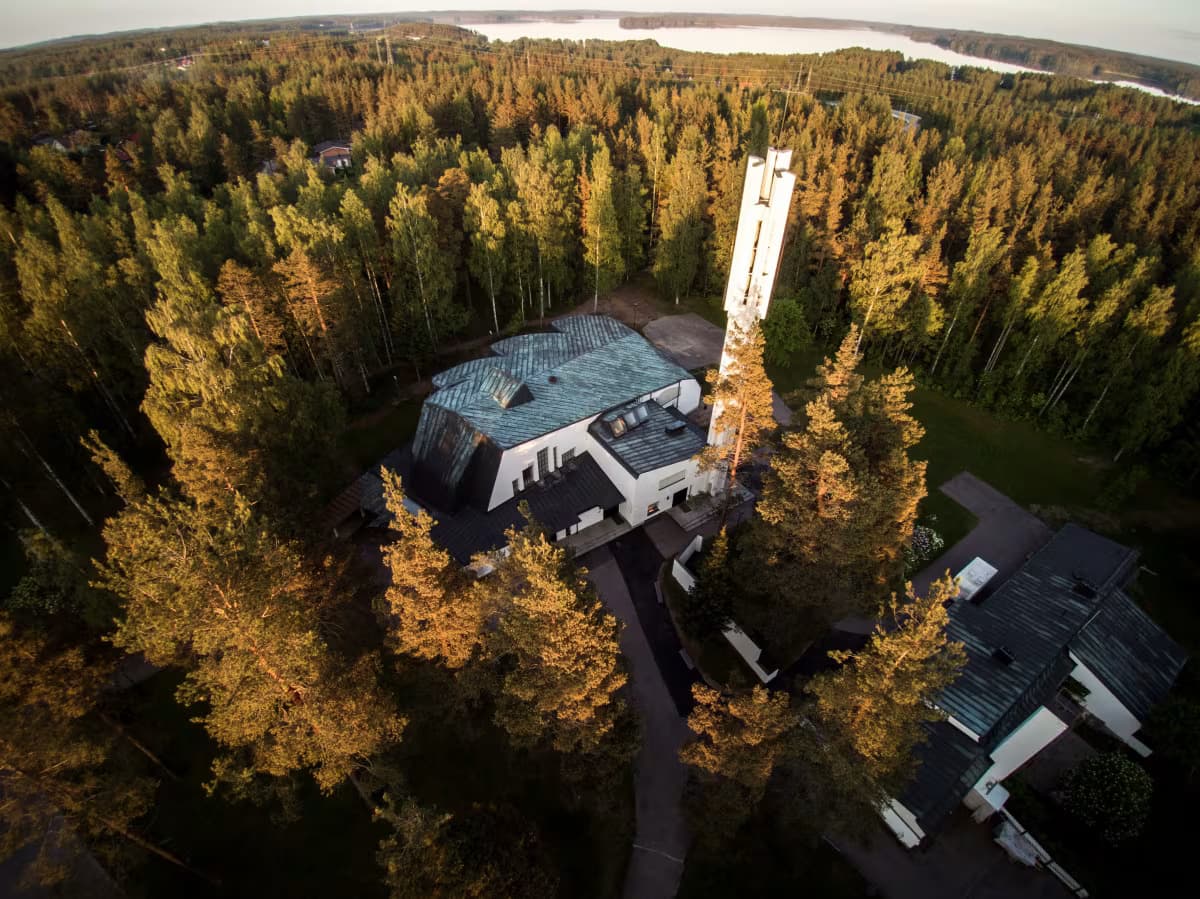
Thirteen iconic buildings and architectural complexes designed across Finland by Aino, Elissa and Alvar Aalto—the remarkable trio who shared both life and art and helped shape Finland’s world-renowned school of modern architecture and design—have been added to the UNESCO World Heritage List under the title “The Aalto Works”, in recognition of their human-centred and nature-conscious approach to modern architecture.
Villa Mairea Foundation / Jarno Kylmänen
Among the standout Aalto works are Paimio Sanatorium, with its architecture centred on light and air to support patients’ recovery; Villa Mairea, an iconic residential design that brings traditional materials together with modernism; Säynätsalo Town Hall, marked by its extensive use of brick and wood; Finlandia Hall, the concert and congress centre distinguished by its white marble details; and the historic Church of the Three Crosses, celebrated for its distinctive use of light.
Saatolog Yıllık Saat Dergisi Saatolog’un yeni sayısı, 2020’nin yarattığı bu dönüştürücü etkiden ilham alarak hazırlandı. Dünya dijitalin etkisiyle her zamankinden de hızlı bir şekilde ilerlerken yavaşlamanın da önemini sonunda kavramış bulunuyoruz ve bu tezatlık hayatlarımızın her anına etki ediyor. Biz de bundan yola çıkarak Saatolog 2020/21 sayısını ‘‘hızlı ve yavaş’’ teması altında hazırladık.