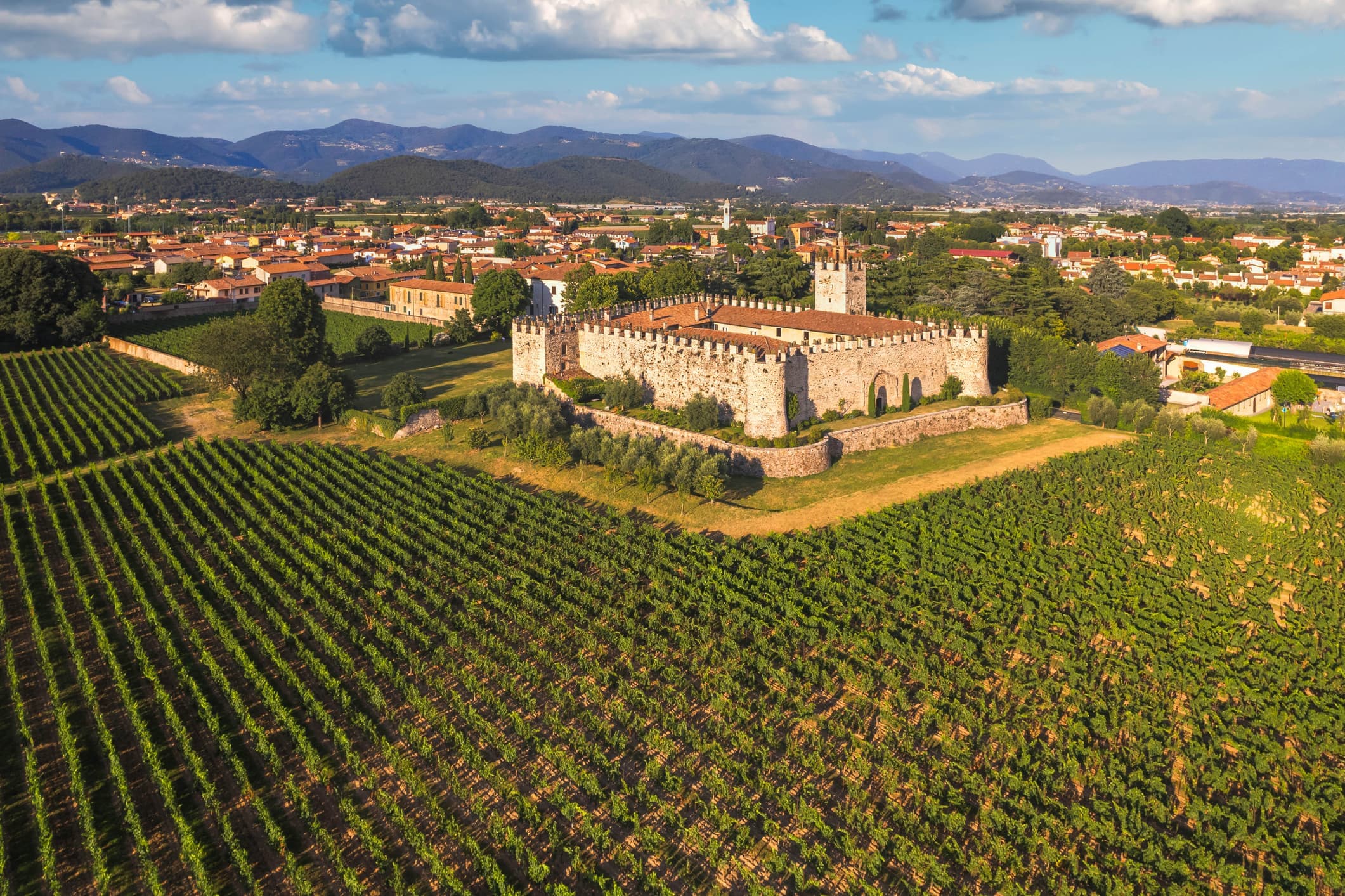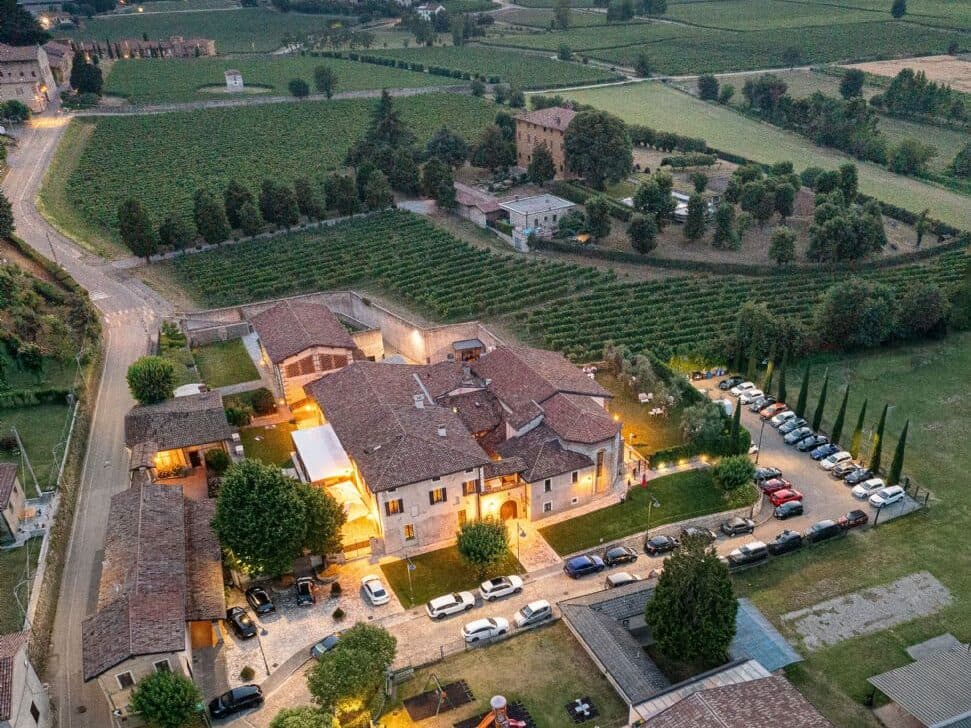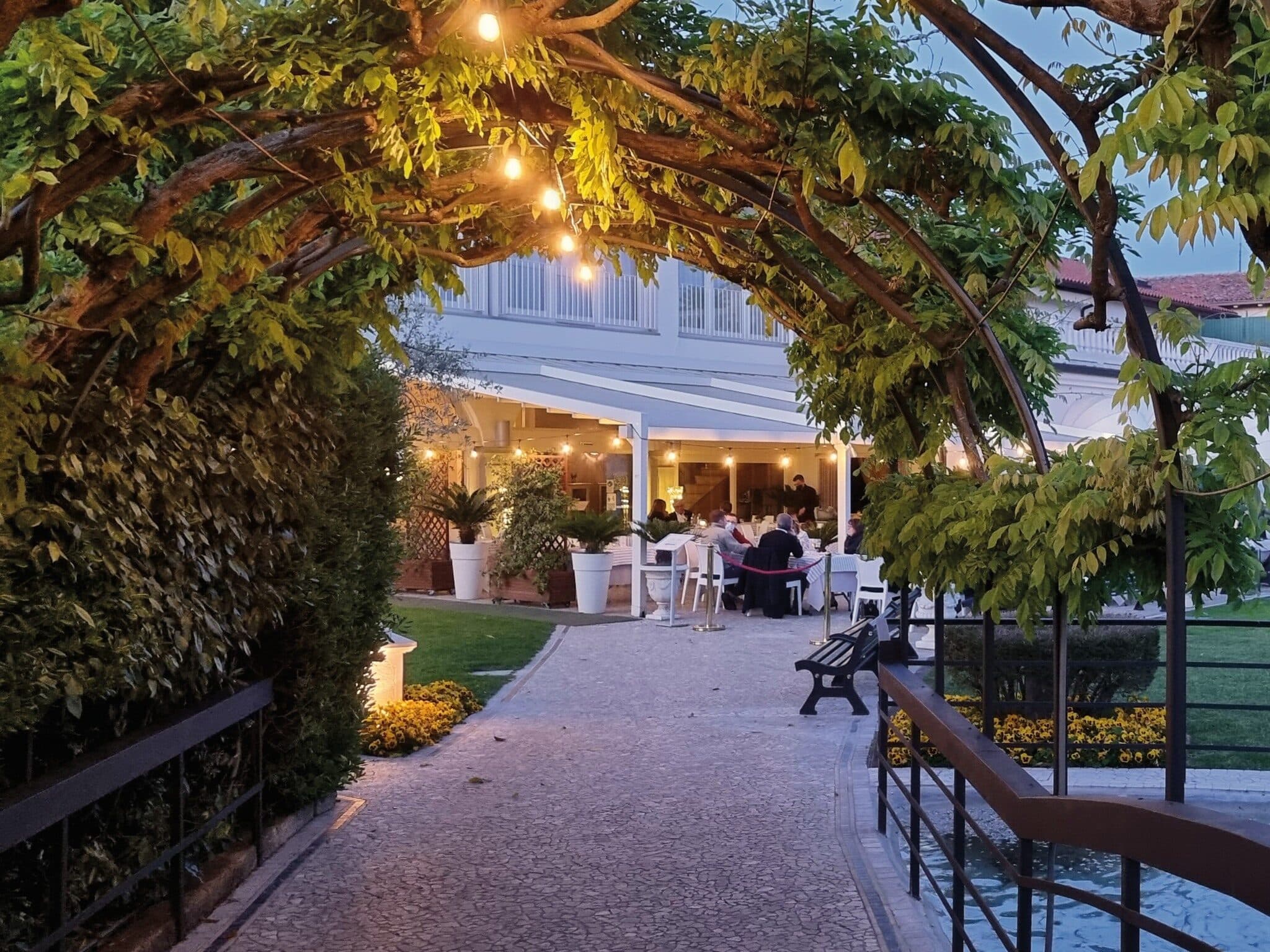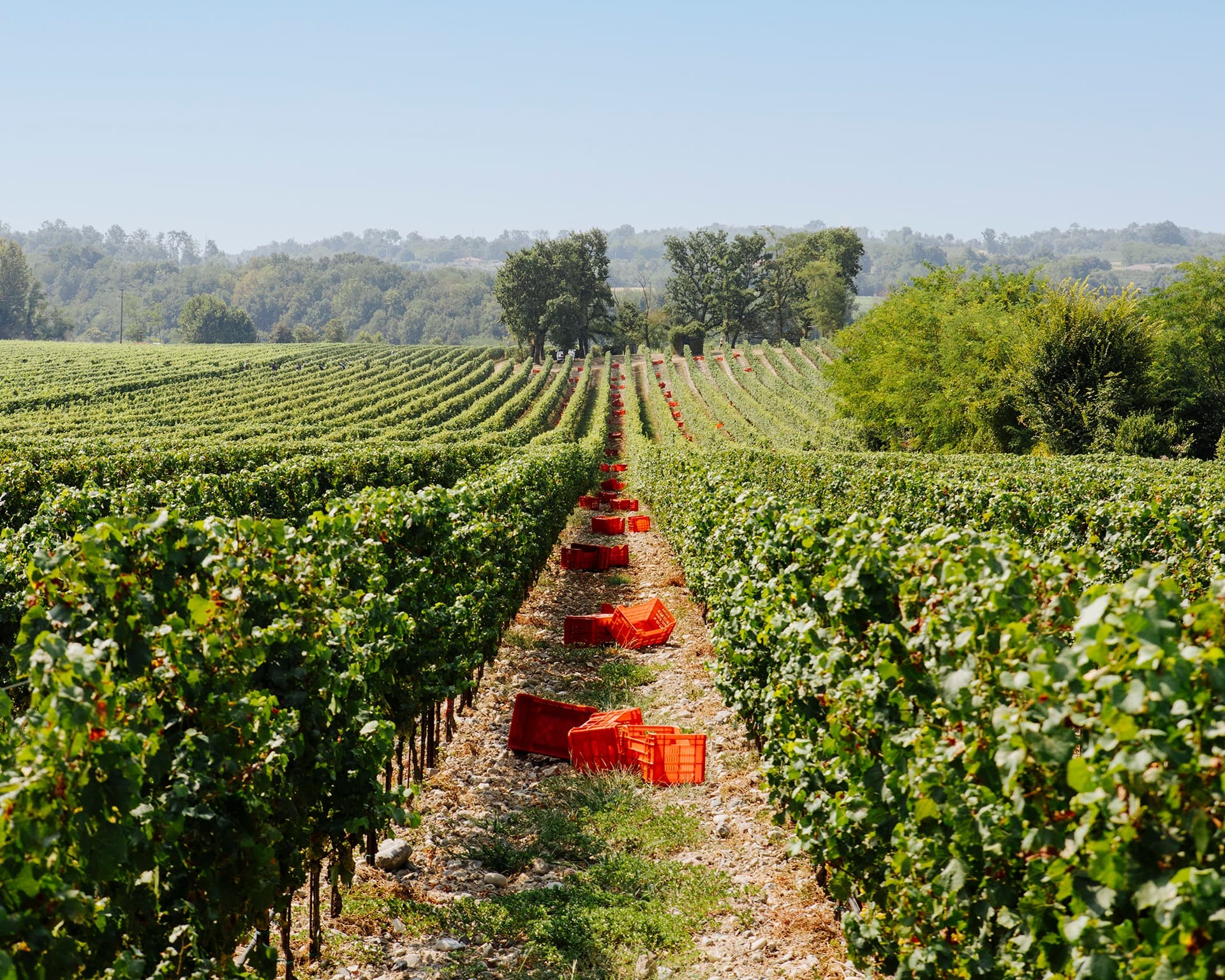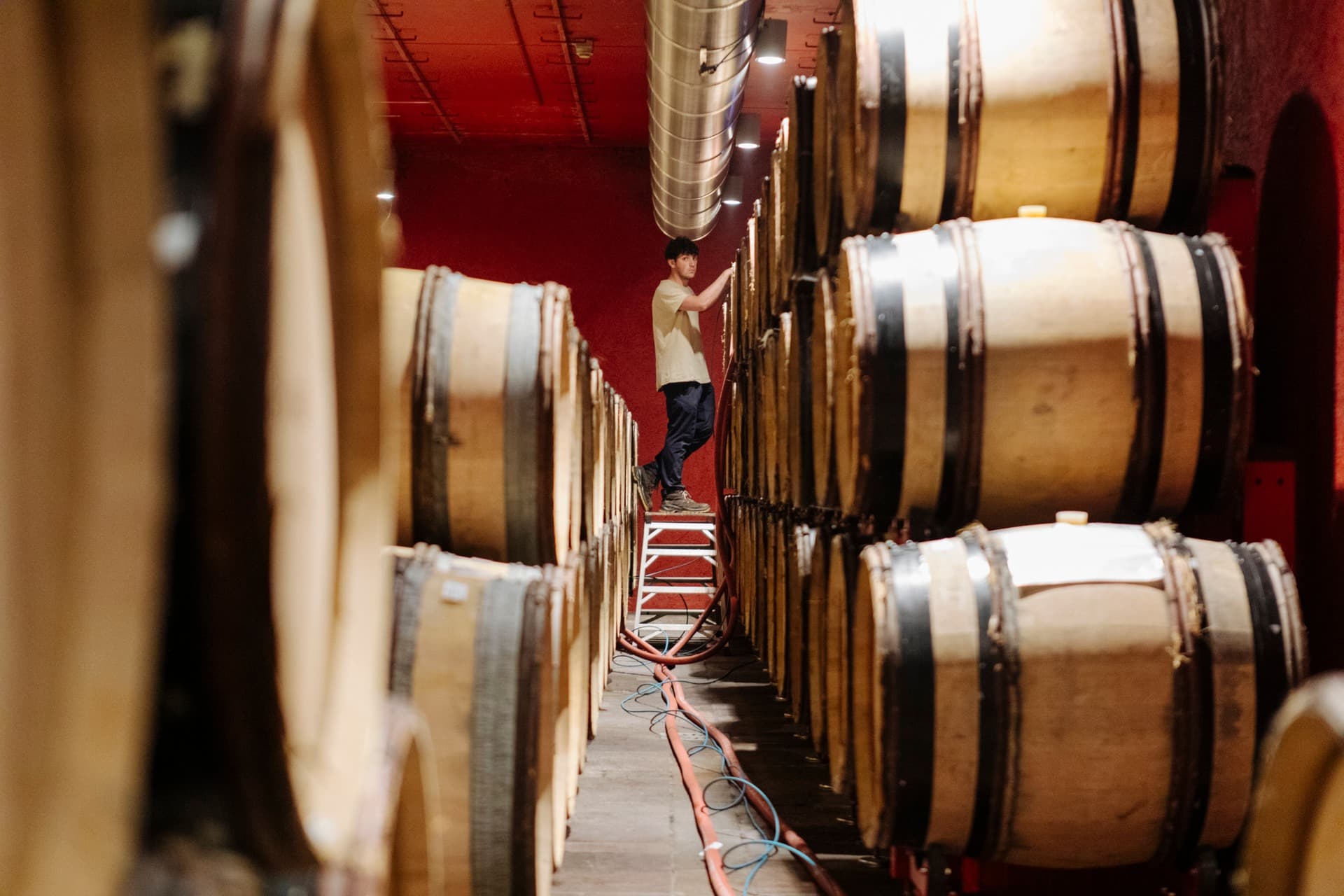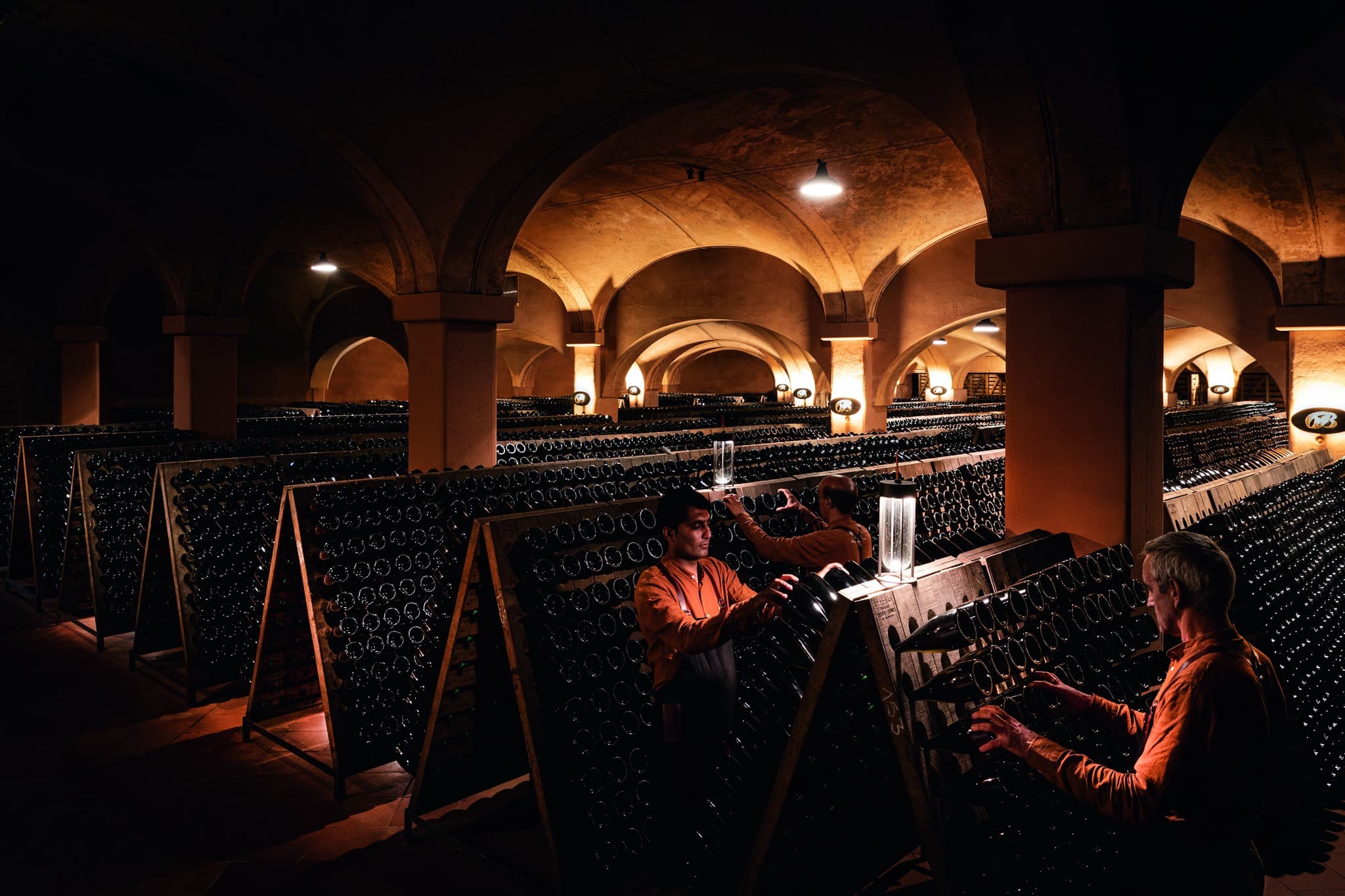
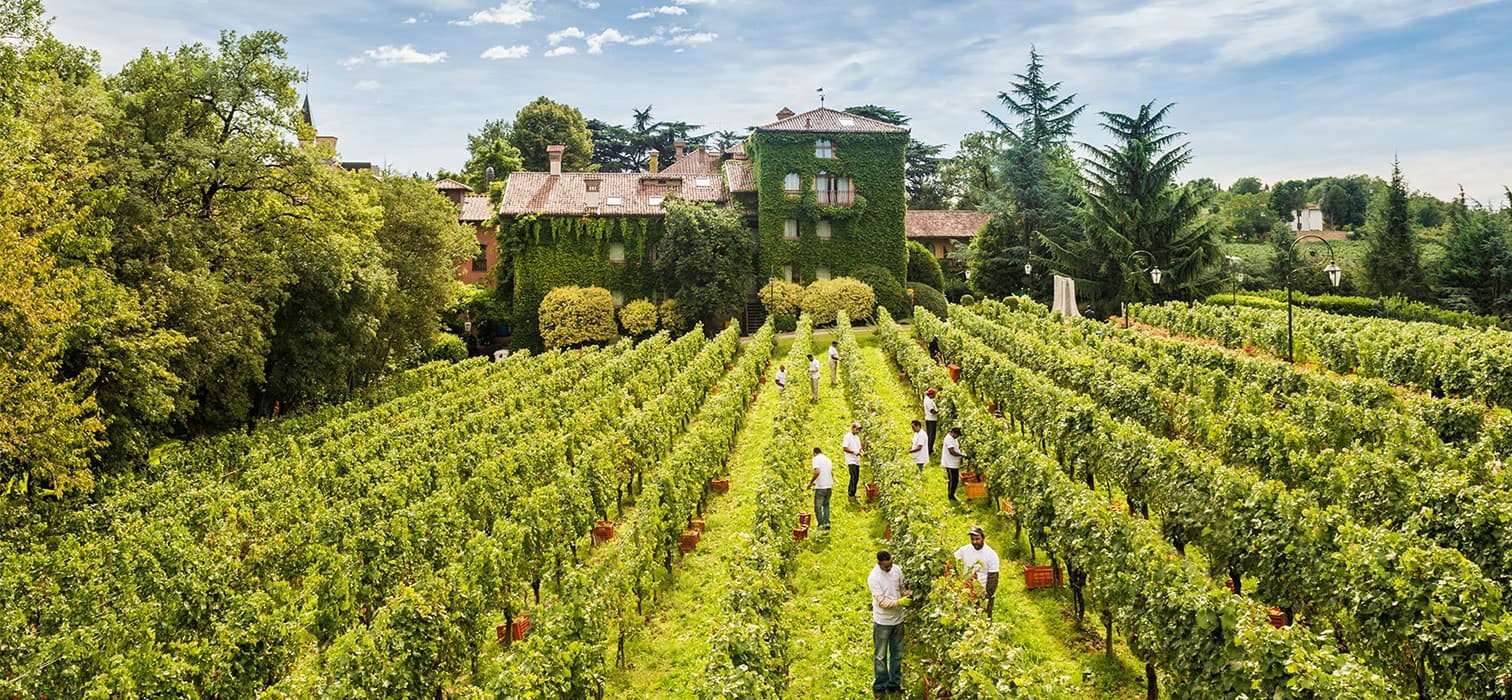
Franciacorta in Lombardy, Italy’s first sparkling wine region using the champagne method, enchants visitors with its rolling vineyards and tasting tours.
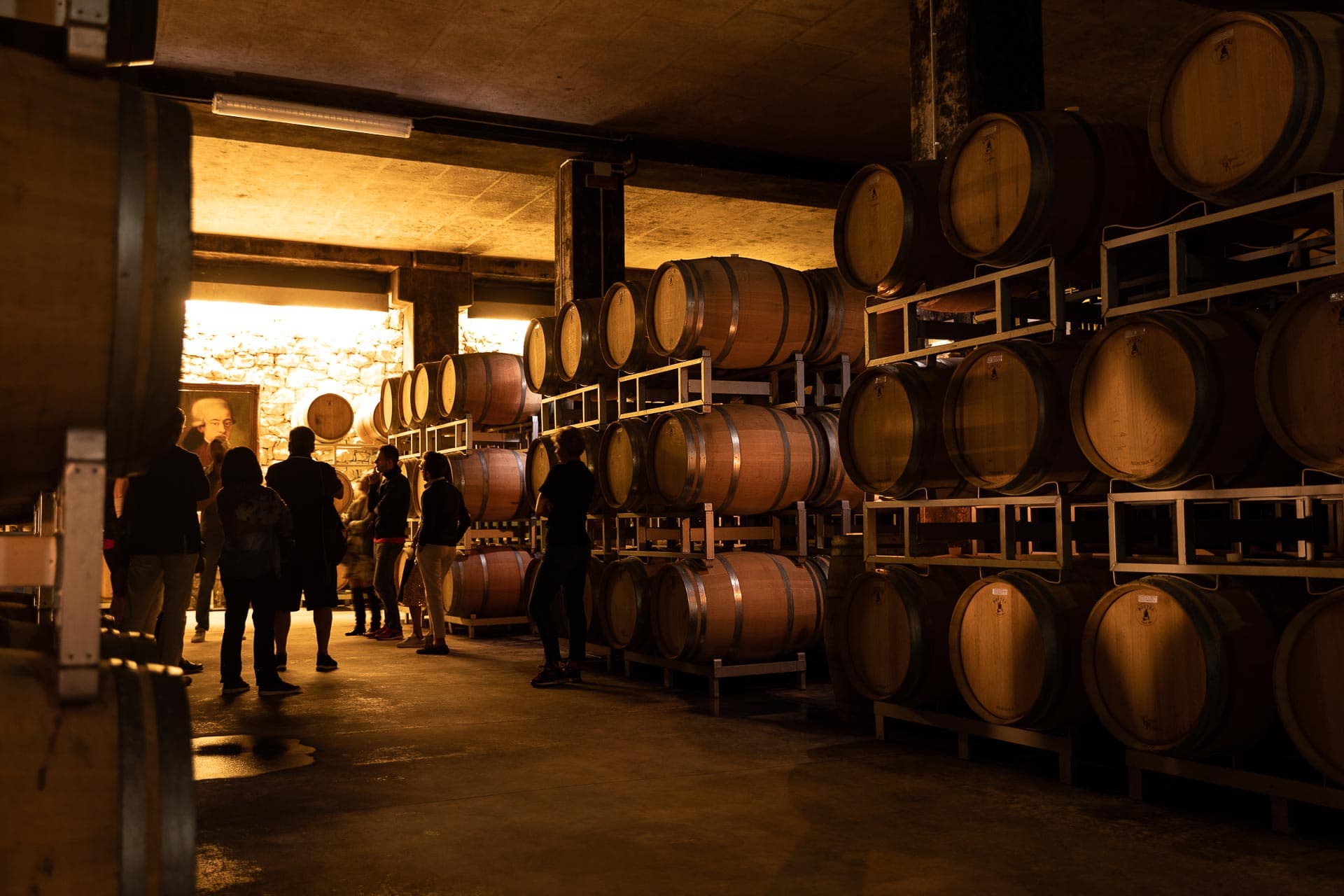
With the arrival of autumn, the grape harvest begins, and vineyards burst into life. It’s a season when travelers can witness the artistry of winemaking firsthand, joining tours organized by leading producers both local and international. But today, let us take you beyond the typical wine routes to a destination where you can indulge in a remarkable vacation while discovering Italy’s most refined sparkling wines.
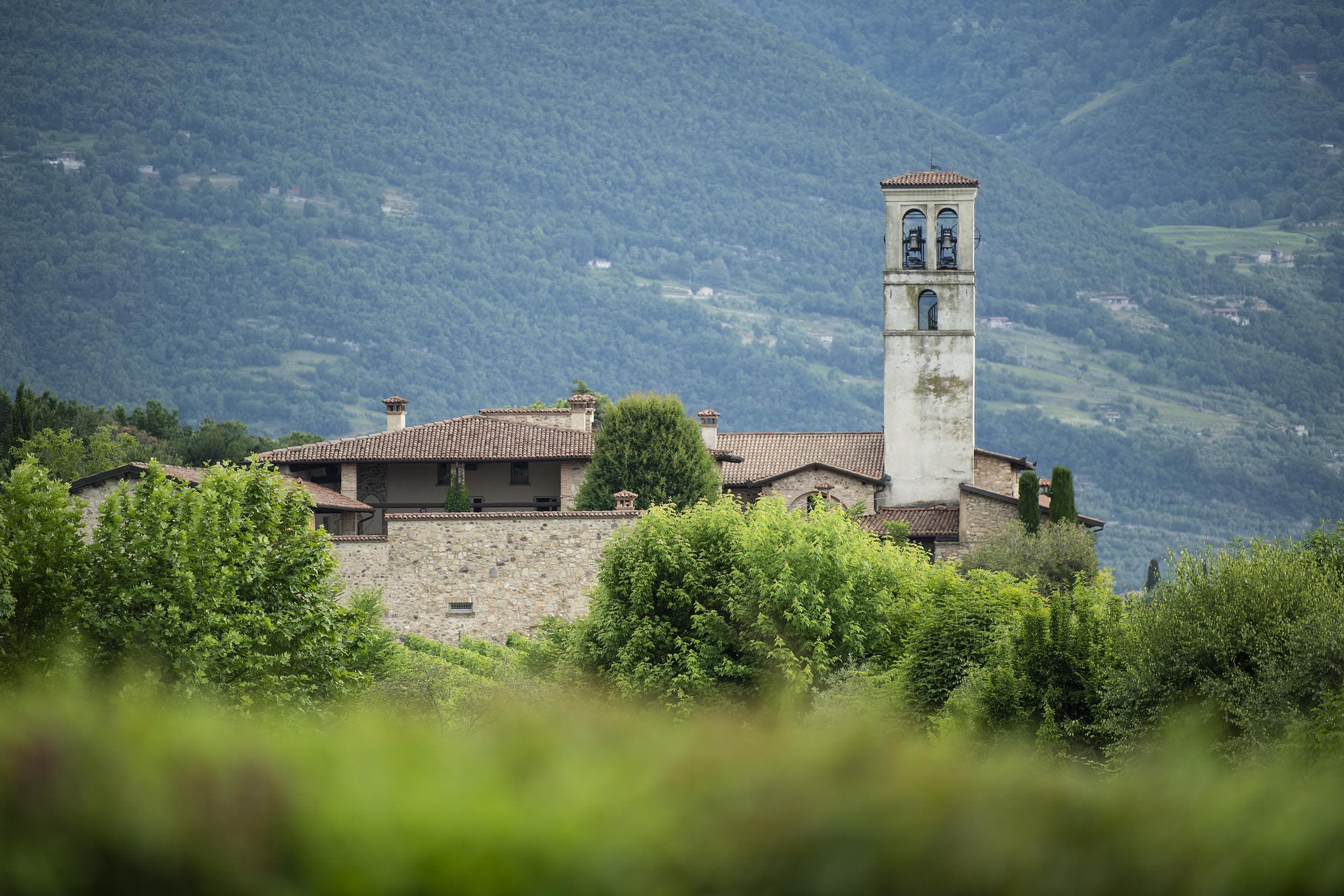
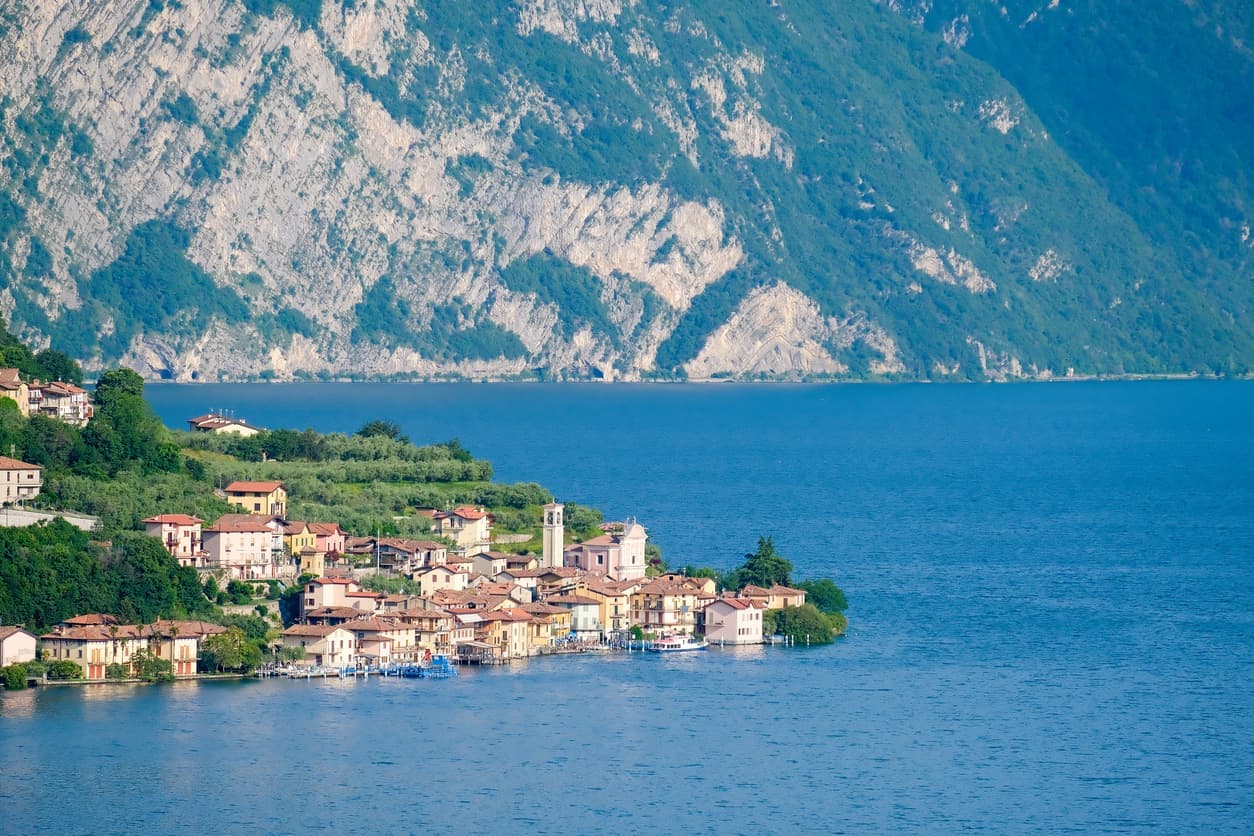
Franciacorta lies just an hour from Milan, where the cool embrace of Lake Iseo meets the gentle climate of the Alpine foothills. Stretching across 200 square kilometers near Brescia, the region captivates not only with its natural beauty but also with its pioneering spirit in sparkling wine production. Its name originates from the Francae Curtes, medieval monastery lands exempt from taxes, and wine has been woven into its fabric since the 11th century. In fact, Girolamo Conforti’s 1570 writings describing the area’s wines as “mordaci” (lively, effervescent) stand as an early testament to its legacy.
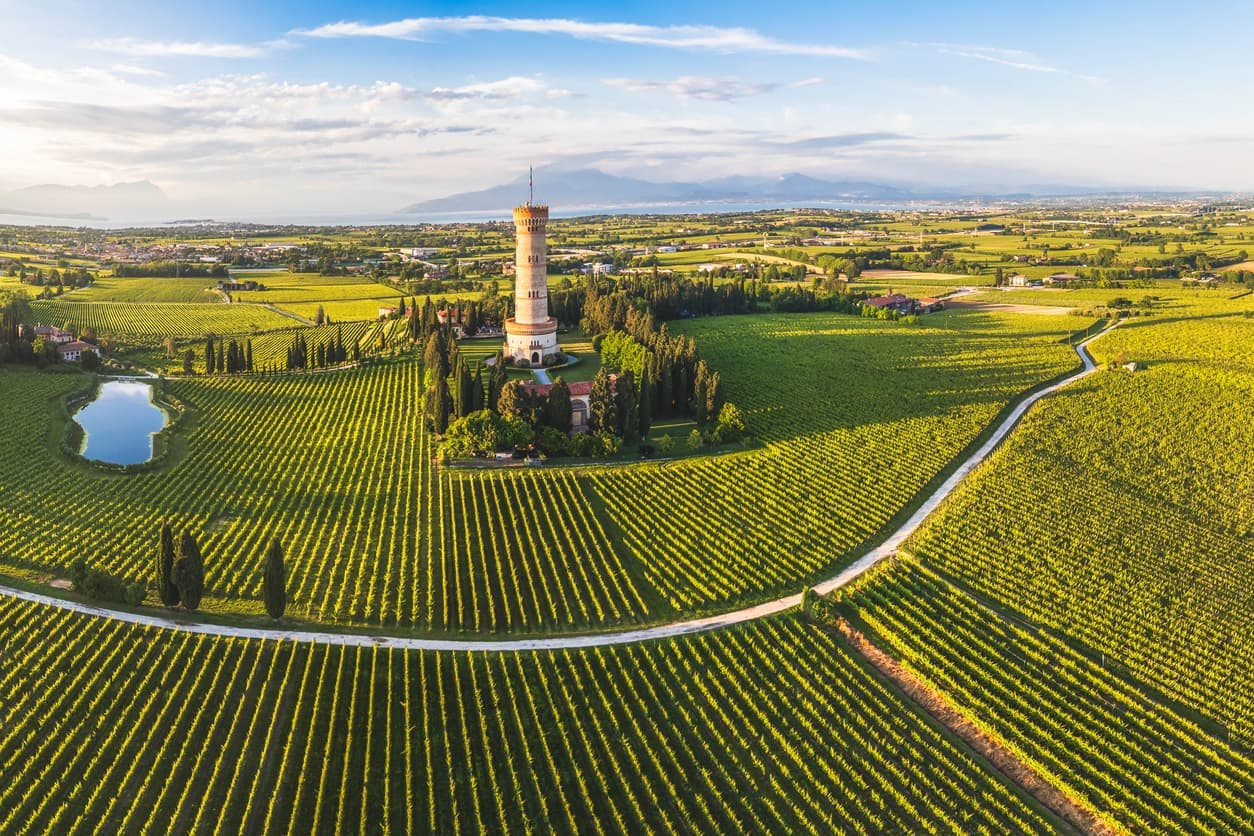
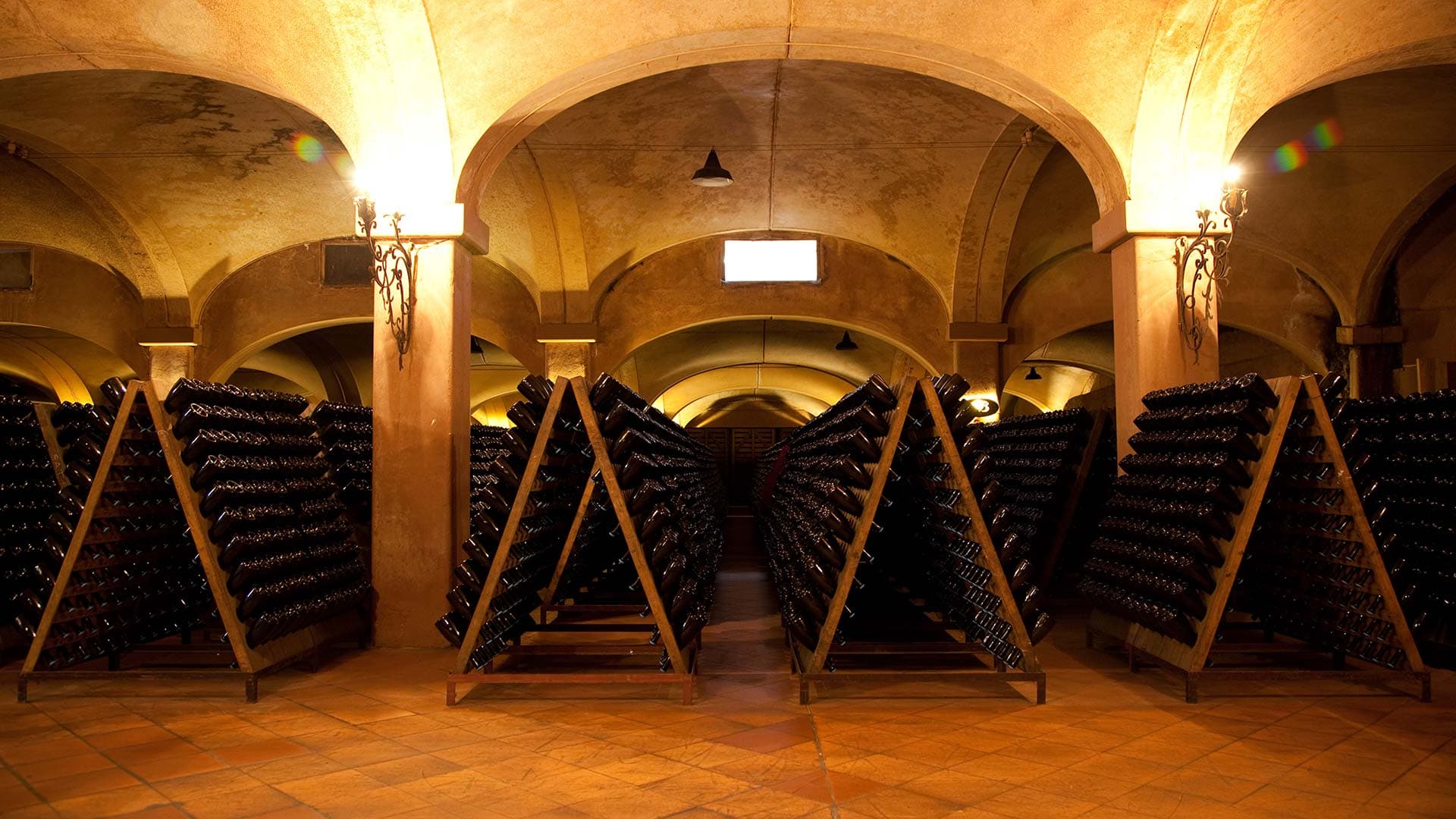
Modern Franciacorta owes much to visionaries such as Franco Ziliani, whose expertise transformed it into the symbol of a wine revolution — where tradition embraces innovation. Vineyards brimming with Chardonnay, Pinot Nero, and Pinot Bianco grapes form the foundation of Franciacorta’s sparkling excellence. Produced with a method akin to Champagne’s second fermentation, Franciacorta boasts a drier, more yeasty complexity than Italy’s other sparkling icon, Prosecco.
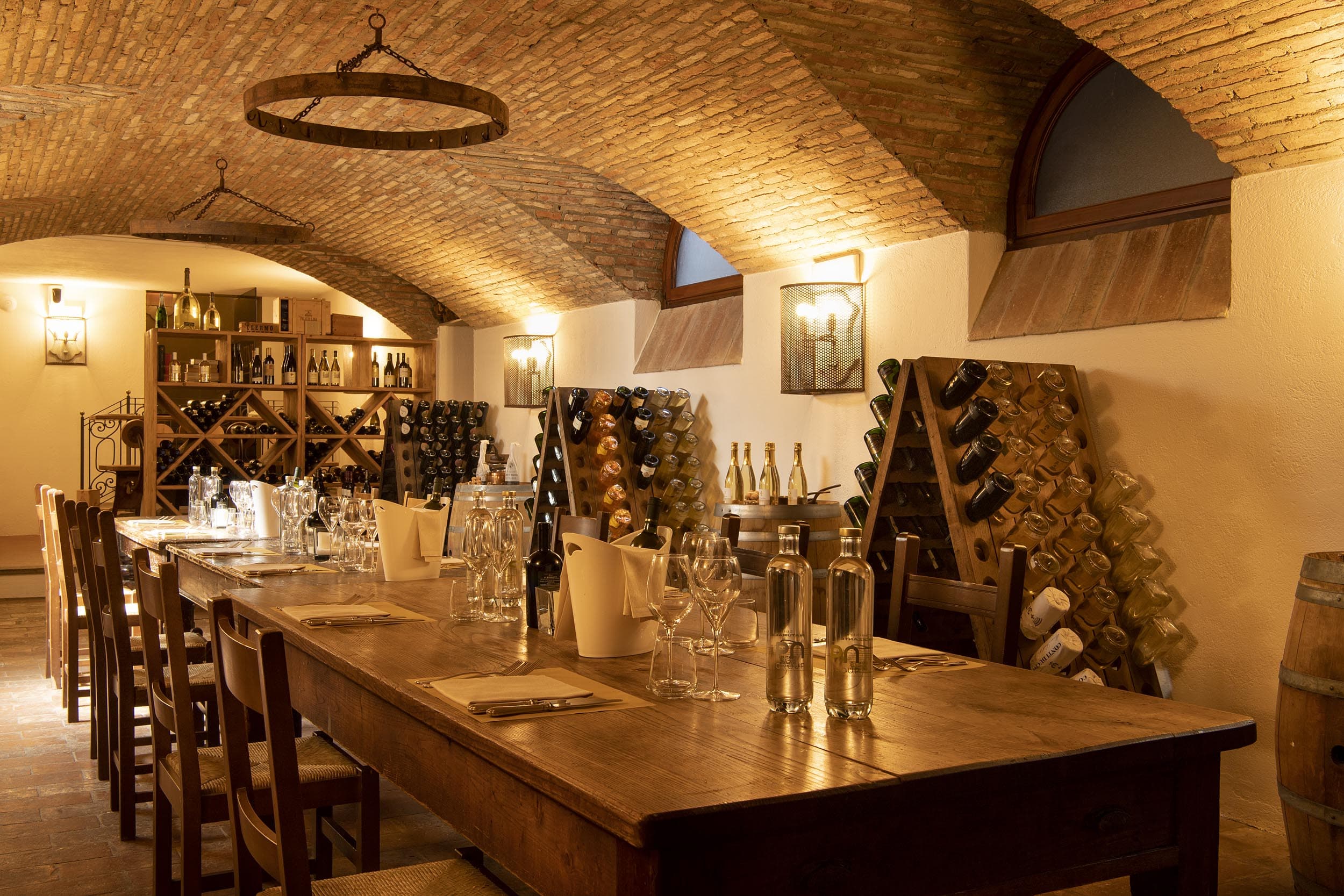
And yet, Franciacorta is surprisingly youthful. The first sparkling bottle here was only produced in 1961, marking it as Italy’s first wine made with the champagne method — now celebrated under the name Metodo Franciacorta. Perhaps it is this youthful vigor that gives the region’s wineries their authenticity: tours are guided not by slick marketers but by passionate vintners eager to share every detail of their craft. Tastings often take place not in grand salons but right among the vines. Tour buses and noisy crowds are rare. And when you’ve had your fill of wine cellars, the region offers an abundance of pleasures to explore.