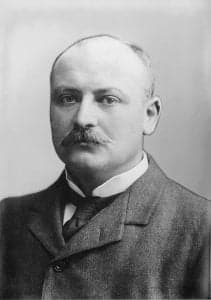
“Time and sea are concepts that have continuity. This two phenomena intertwined each other, sea and time interlocked. It is eternity.” / Angelo Bonati, Former CEO of Panerai
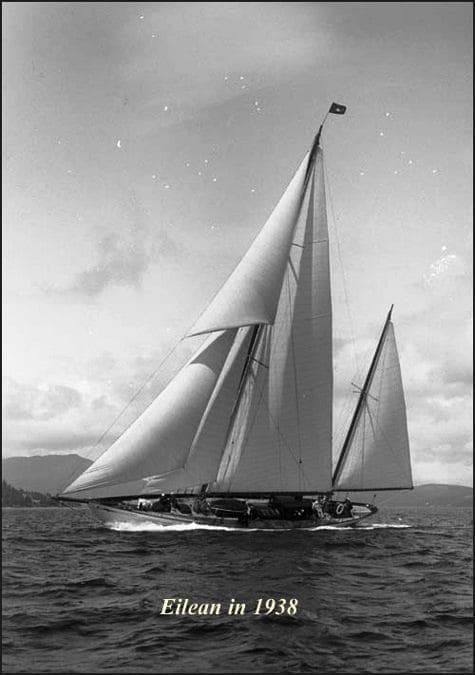
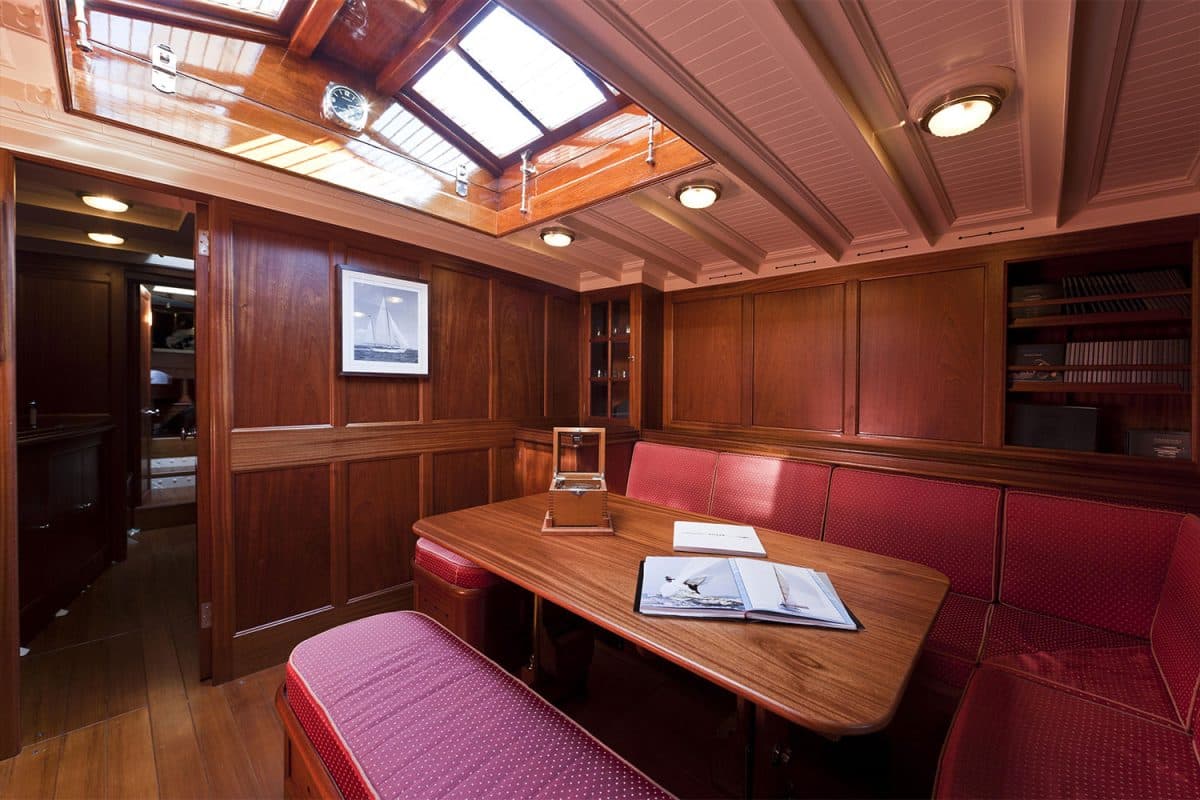
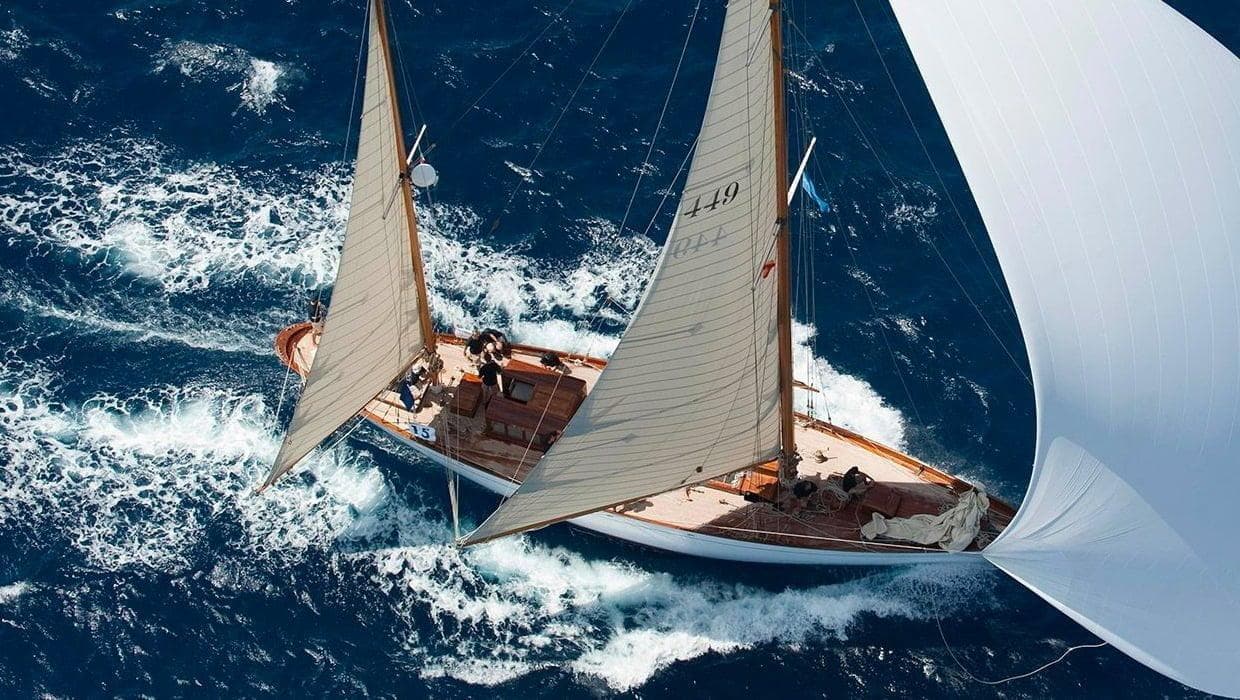
Do you think of a “crème de la crème” event more than a private tour with Eilean, one of the best examples of the golden age of maritime, or competing against other legendary boats in a classic yacht race? Honestly, I don’t thinks so. Fortunately, I am one of the lucky people that I had honor of stepping onto Eilean’s deck during the Panerai’s Classic Yacht Challange in 2013. Is it just Eilean?In that event, the most magnificent yachts of yesterday, today and tomorrow competed in the shadow of Mount Vesuvius. These vintage yachts are confident of their beauty gave the guests the glory of 100 years ago. Beautiful Eilean finally agreed to host us, even for a short time. On the deck, I examined every square centimeter of this magnificent work of art, with my senses enlivened by the iodine mixture of wood. While I was fascinated by its original helm, bronze and top quality woodwork and dreamed of being on this boat 60 years ago, Panerai’s navigation devices caught my attention. These special tools that Panerai designed and produced only for Eilean, reflecting the boat’s identity and soul in the best way, dragged me into a love story. To common story of Panerai and Eilean…
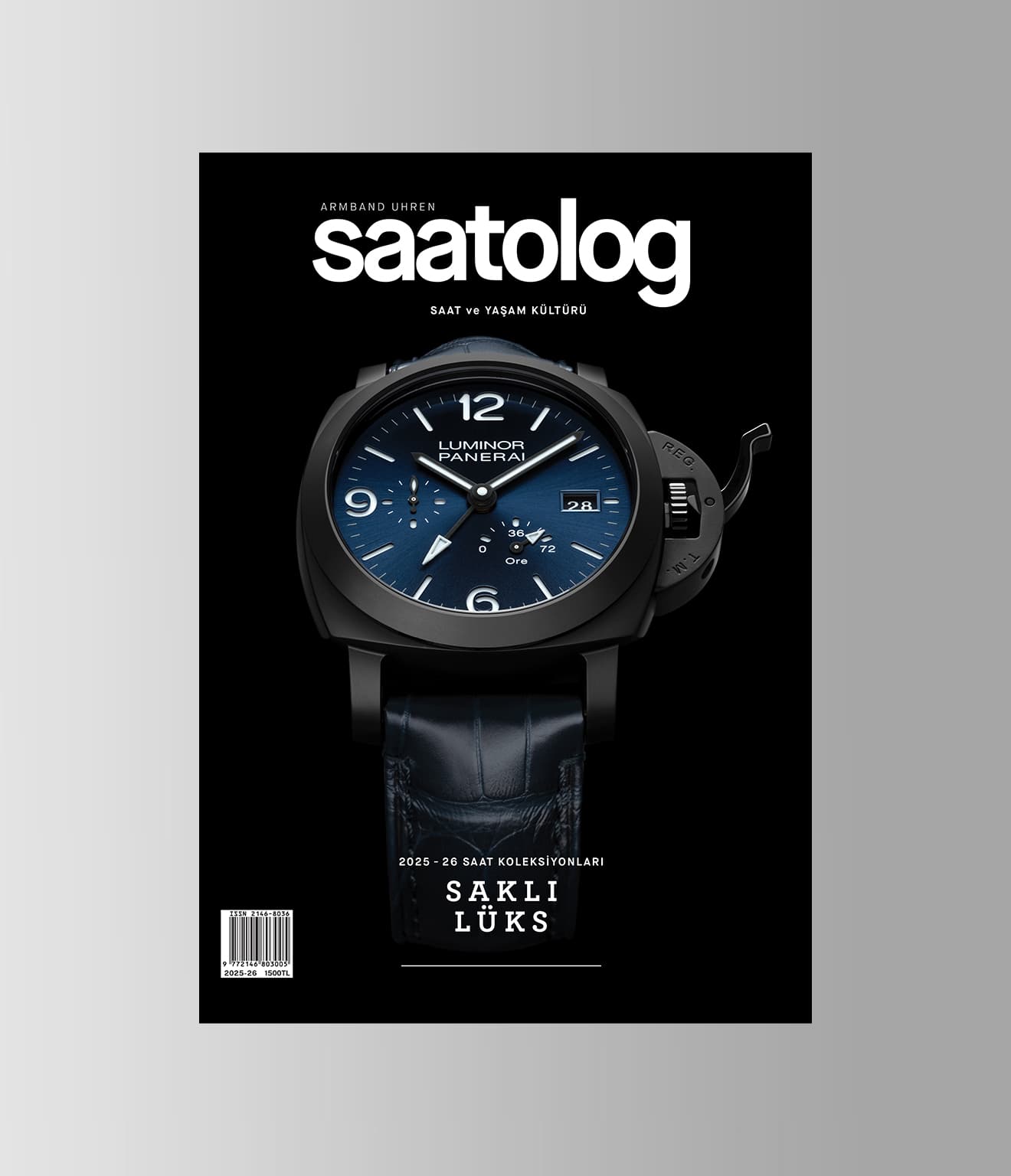
Today, there are many brands that give their name to sailing, but few brands like Panerai dare to engage in such a tough job or a major restoration project. The way of Panerai approaches to Eilean, everything it does for its is far beyond creating a promotional material, it makes you feel that they see the brand as an asset which is both classic and worthy of a seafarer identity. Panerai and Eilean are actually romantics with the same spirit. Both are representatives of high-level craftsmanship and a magnificent aesthetic concept…
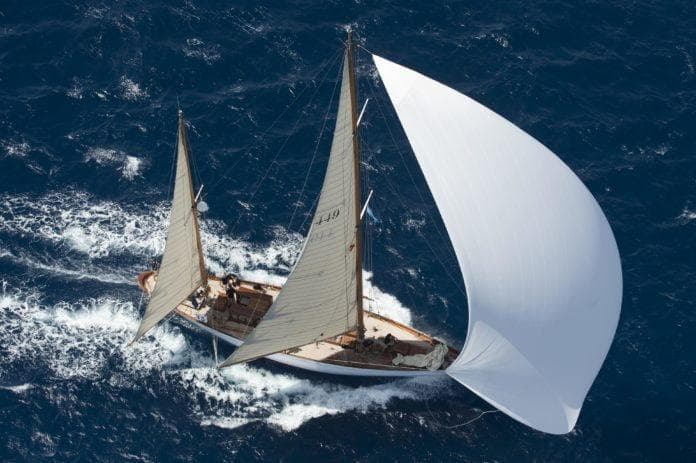
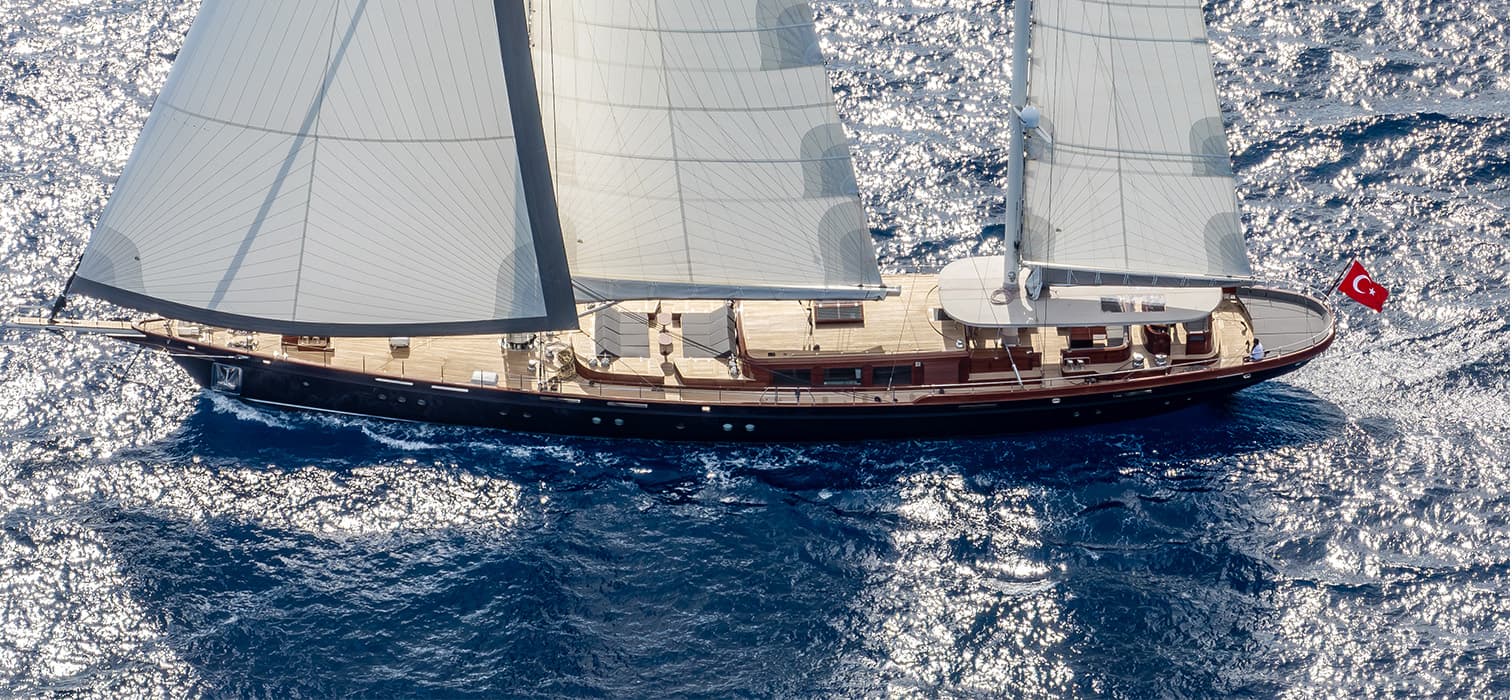
Eilean, whose zinc-plated metal framework is covered with Burmese teak, has a double-pole and Bermuda coat of arms. The triangular main sail, the lower side of which is fixed to stout pole and the front to the mast, as in modern boats, is also called marconi rigging.