This summer, the sports world has talked about mental health more than ever. Let us remember what happened…
“Don’t Play”
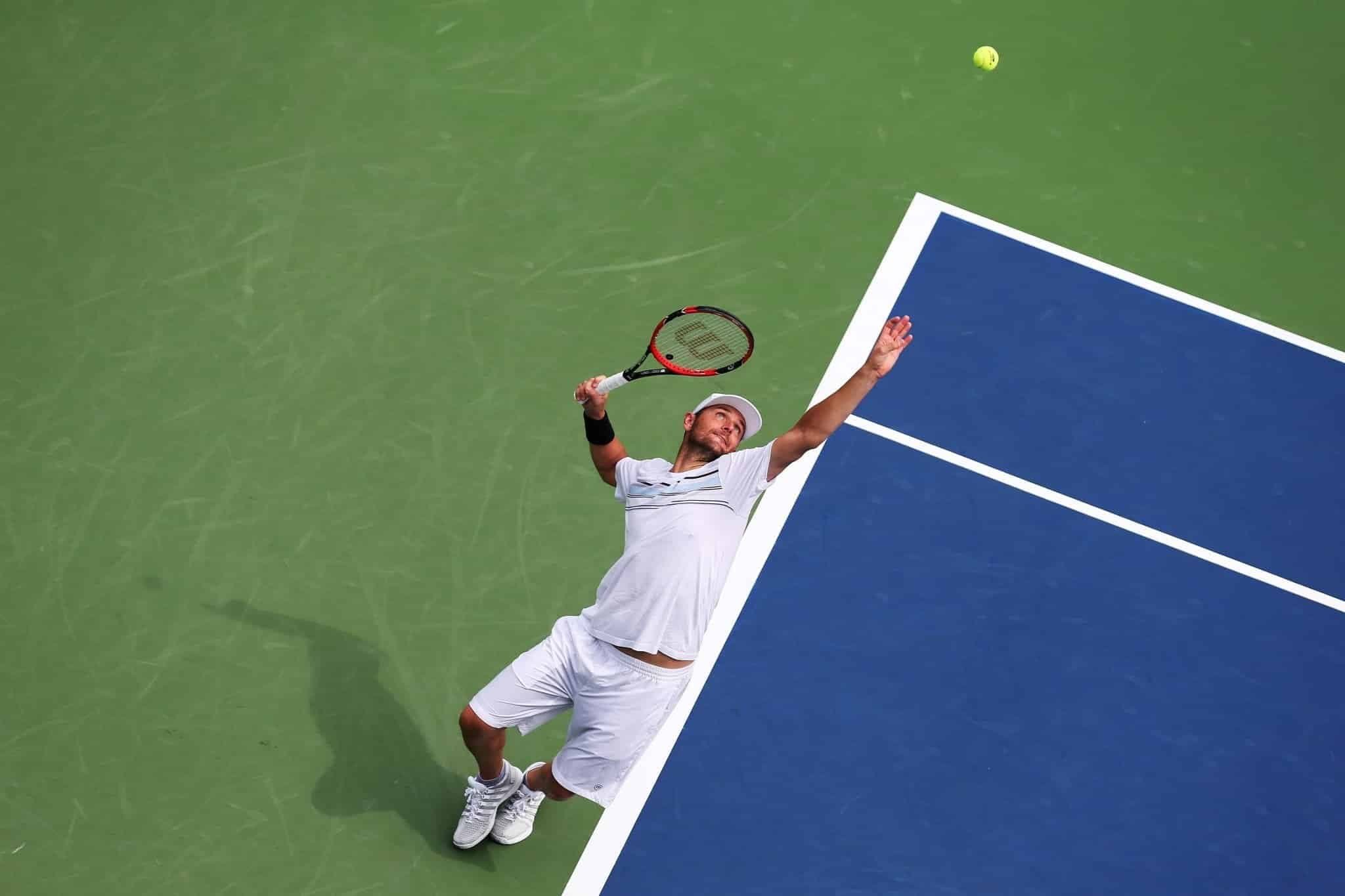
I am hours away from playing in the biggest tennis match of my life: the fourth round of the U.S. Open … on Labor Day … on my dad’s birthday … on Arthur Ashe … on CBS … against Roger Federer. I am hours away from playing the greatest player of all time, for a chance at my best-ever result, in my favorite tournament in the world. I am hours away from playing the match that you work for, that you sacrifice for, for an entire career.
And I can’t do it.
I literally can’t do it.
It’s early afternoon; I’m in the transportation car on my way to the courts.
And I am having an anxiety attack.
Actually, I’m having several anxiety attacks — at first, one every 15 minutes or so, but pretty soon every 10. My mind starts spiraling. I’m just freaking out.
My wife is asking me, “What can we do? What can we do? How can we make this better?”
And I tell her the truth: “The only thing that makes me feel better right now … is the idea of not playing this match.”
She hesitates, and looks at me for a second, to make sure I’m serious. I am serious. This isn’t me thinking — this me reacting, feeling, trying to survive. She answers plainly. “Well, then, you shouldn’t play. You don’t have to play. Just … don’t play.”
****
Mardy Fish had won a silver medal in singles at the 2004 Athens Olympic Games, later on, he climbed to number 7 in the world rankings and was one of the remarkable tennis players of his time. He wrote the above lines for the Players Tribune shortly before his retirement. In 2012, he began to feel the effects of anxiety disorder, after that, he walked away from tennis and took a three-year hiatus before his farewell to tennis at the 2015 US Open. Indeed, Fish’s story correspond to a time when athletes began to raise their voices about mental health. That was not a weakness and should not be hidden.
There are many stories in the sports history about mental health problems of the athletes, for instance, the depression of Michael Phelps – the most medaled athlete in the Olympic history -, the mental problems of NBA stars Kevin Love Demar Derozan, Serena Williams’ experiences after her birth in 2017 and so on… Those giant athletes, who we are accustomed to seeing with trophies and medals on the glittering podiums, had also human aspects and some problems. Moreover, the fact that they talked openly about the issues that they have experienced was an inspiration for others in a same situation. After all, an athlete could make a difference not only by victories, but also by using her impact area. In the summer of 2021, we have witnessed two more powerful examples of this situation.
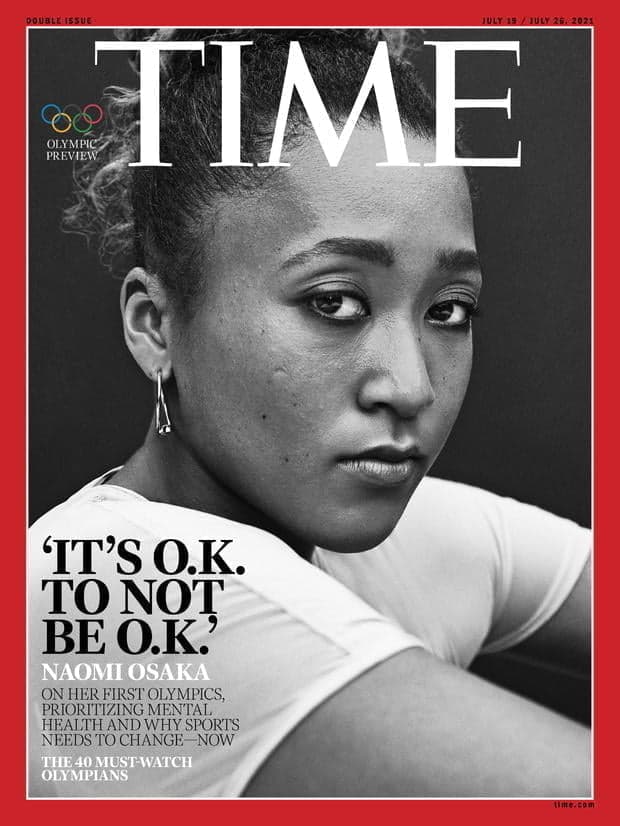
During the Roland Garros, Naomi Osaka announced that she would not attend the end-of-match press conference because she did dot feel comfortable. She literally divided the sports world into two with this statement. Some emphasized with her, whilst others considered this decision as spoiled. Osaka’s withdrawal from that tournament -despite winning her first match- and passing Wimbledon in order to have time for herself continued to be talked outside the court. Explaining that she has been struggling with depression and social anxiety since she won the 2018 US Open, the Japanese star drew attention, just like in the racism protests last year. “It’s O.K. to not be O.K.”, she wrote a cover essay for TIME.
Simone Biles, one of the most exciting names in the 2020 Tokyo and considered by many as greatest artistic gymnast of all time, also used the biggest platform in sports to tell what is going on in his mind. Yet, after four Olympic championships, he firstly withdrew from the team finals and then the general classification finals. “I have to focus on my sanity and not put my mental health down,” said Biles and she felt a huge pressure to success. While almost everyone expected a gold medal or even medals from her, Biles won an unexpected victory: she bravely returned to balance beam final and wore the bronze medal which is much more meaningful than any gold medal she had ever won.
Mardy Fish, Michael Phelps, Naomi Osaka, Simone Biles… These athletes won’t be the last to take the responsibility for mental health and use their depression to general effect. With the ability of creating stories, sports will always continue to inspire and even save the lives.