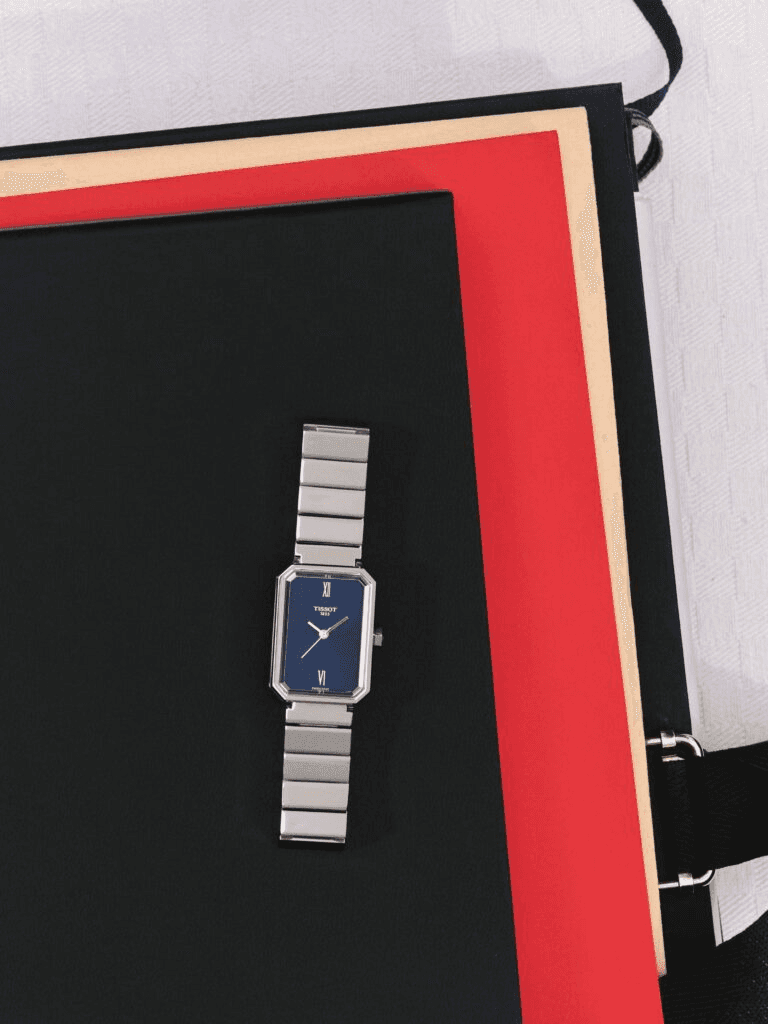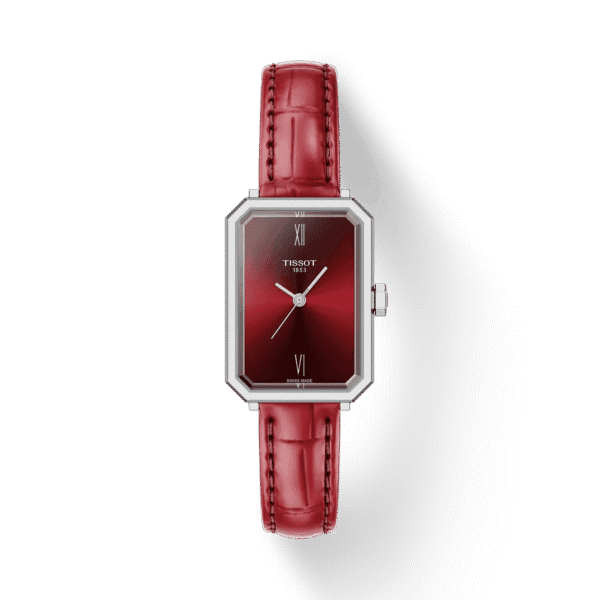
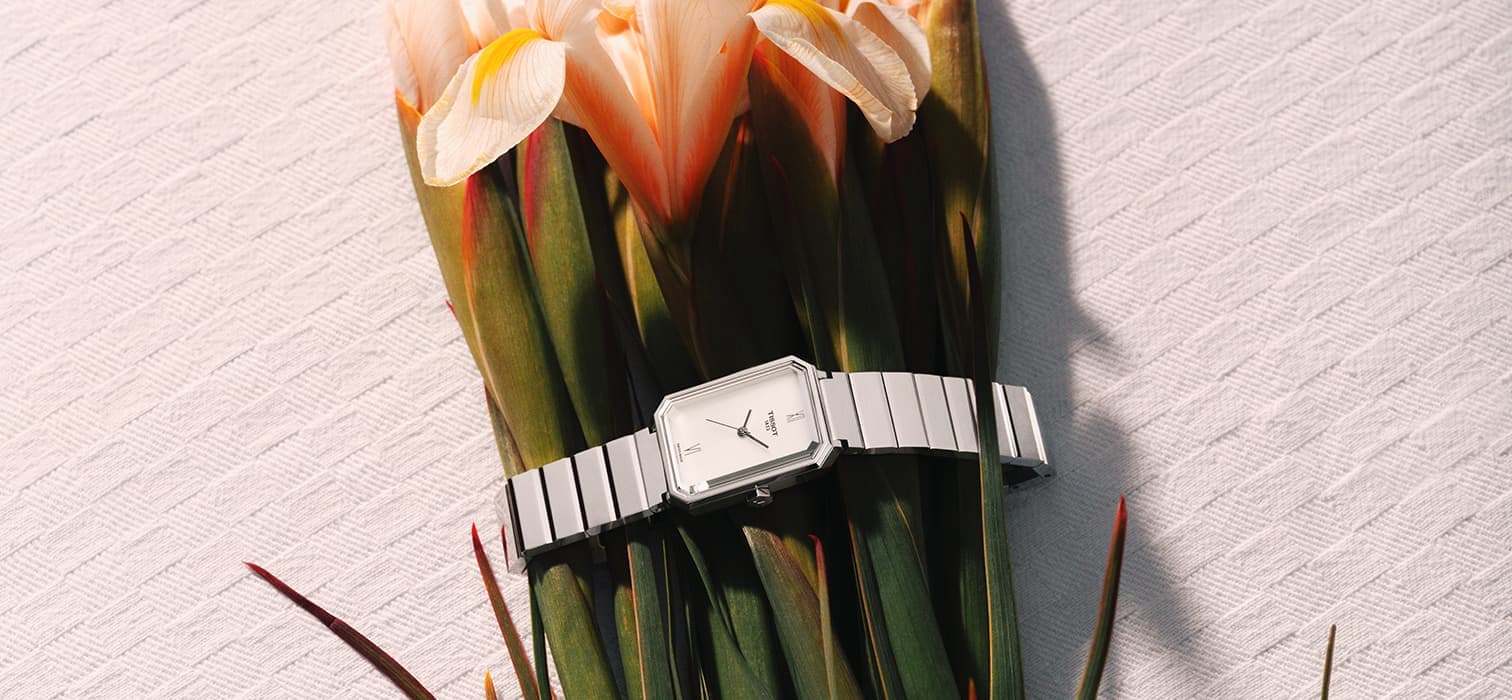
The timeless legacy of Art Deco and the story of strong women are the greatest sources of inspiration for Tissot SRV watches. Their dials shine brightly for women who aren’t afraid to stand out.
While writing this article, we embarked on a fascinating journey through the Tissot archives. From pocket watches produced in the early 1900s to jeweled wristwatches, the collection reflects not only the brand’s watchmaking heritage but also the evolution of style and society. A 1927 advertisement, for example, proclaims: “The elegant people of 1853 wear Tissot watches,” featuring a woman and a man examining Tissot pocket watches.
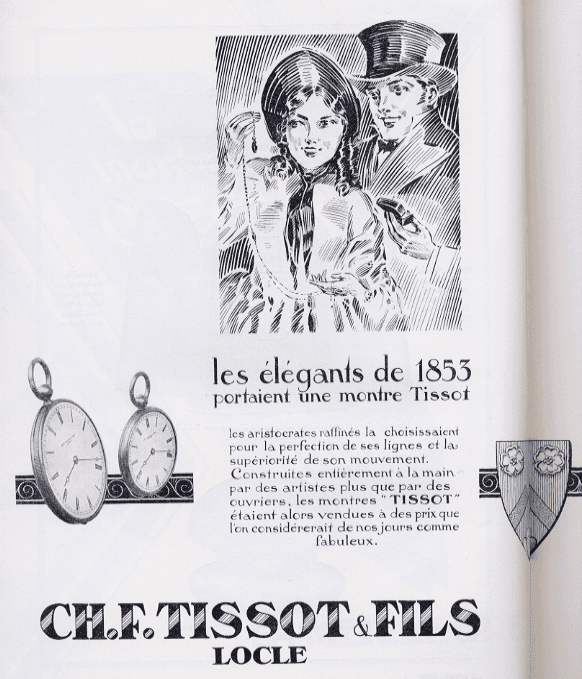
In the 19th century, women often wore watches attached to long chain necklaces, corsage bouquets, or the belts of corseted dresses. Tissot’s story with women’s watches begins precisely during this period, as the brand pioneered elegant necklace-style designs for women. It continued to evolve alongside societal changes. With the rise of the women’s movement in the early 20th century, women began removing their corsets and cutting their hair short, rebelling against the restrictive norms of the time. As women gained social and political rights, their visibility increased, and wristwatches gradually replaced pocket watches. By the 1920s, wristwatches had become widespread for women, with Tissot — which produced its first wristwatch for women in 1907 — emerging as a pioneer in this transformation.
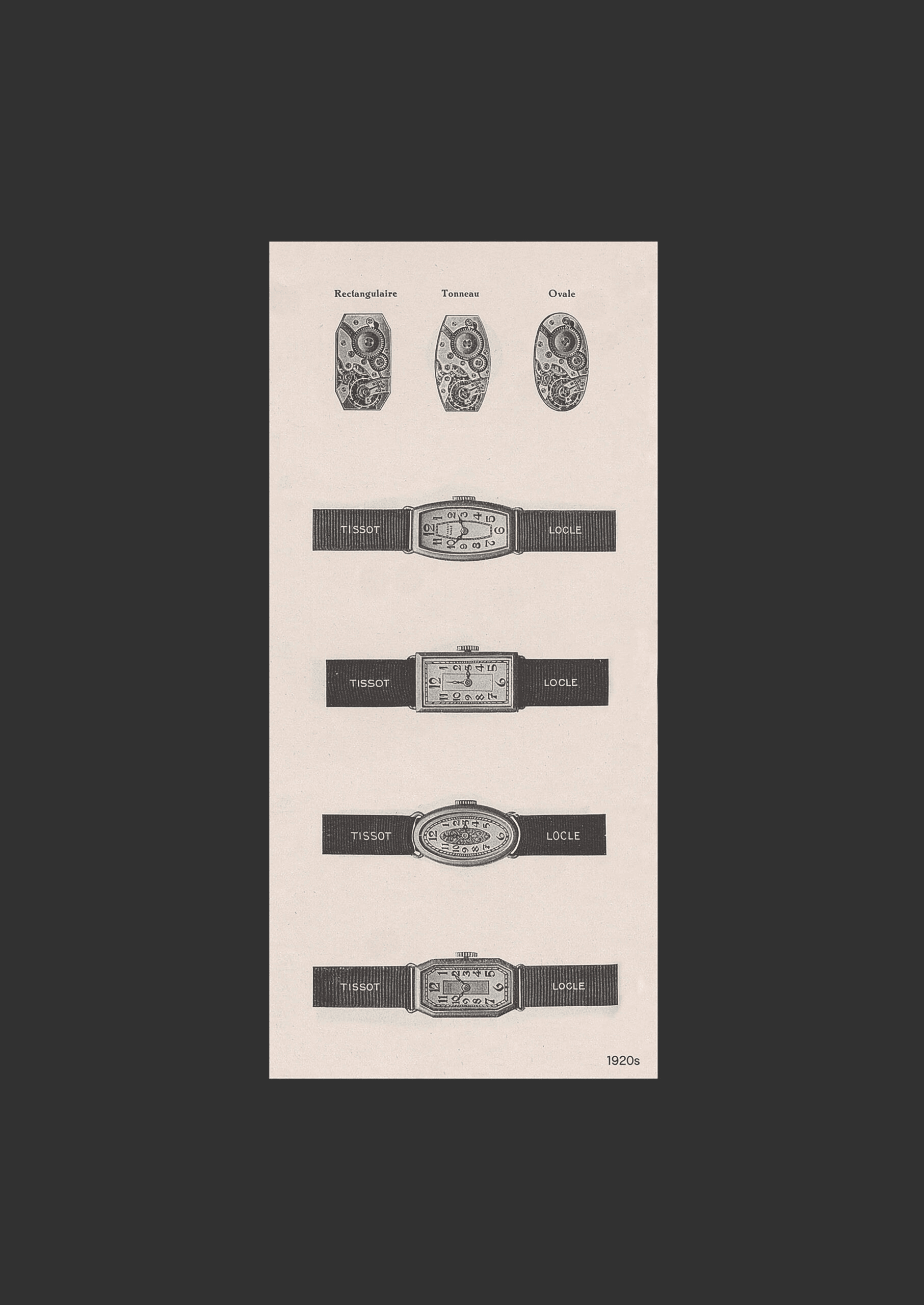
Tissot also embraced the Art Deco movement, which dominated design, architecture, fashion, and graphic arts following the first Art Deco exhibition in Paris in 1925. The brand began manufacturing its own watch mechanisms during this period, enabling the creation of calibers suited to rectangular cases. This allowed Tissot to produce models with non-round cases in the French style of “montres de forme.” One model, distinguished by its cut-corner rectangular case design, carved a unique place in Tissot’s collection, enjoyed popularity during its initial production years, and was even revived in the 1970s.
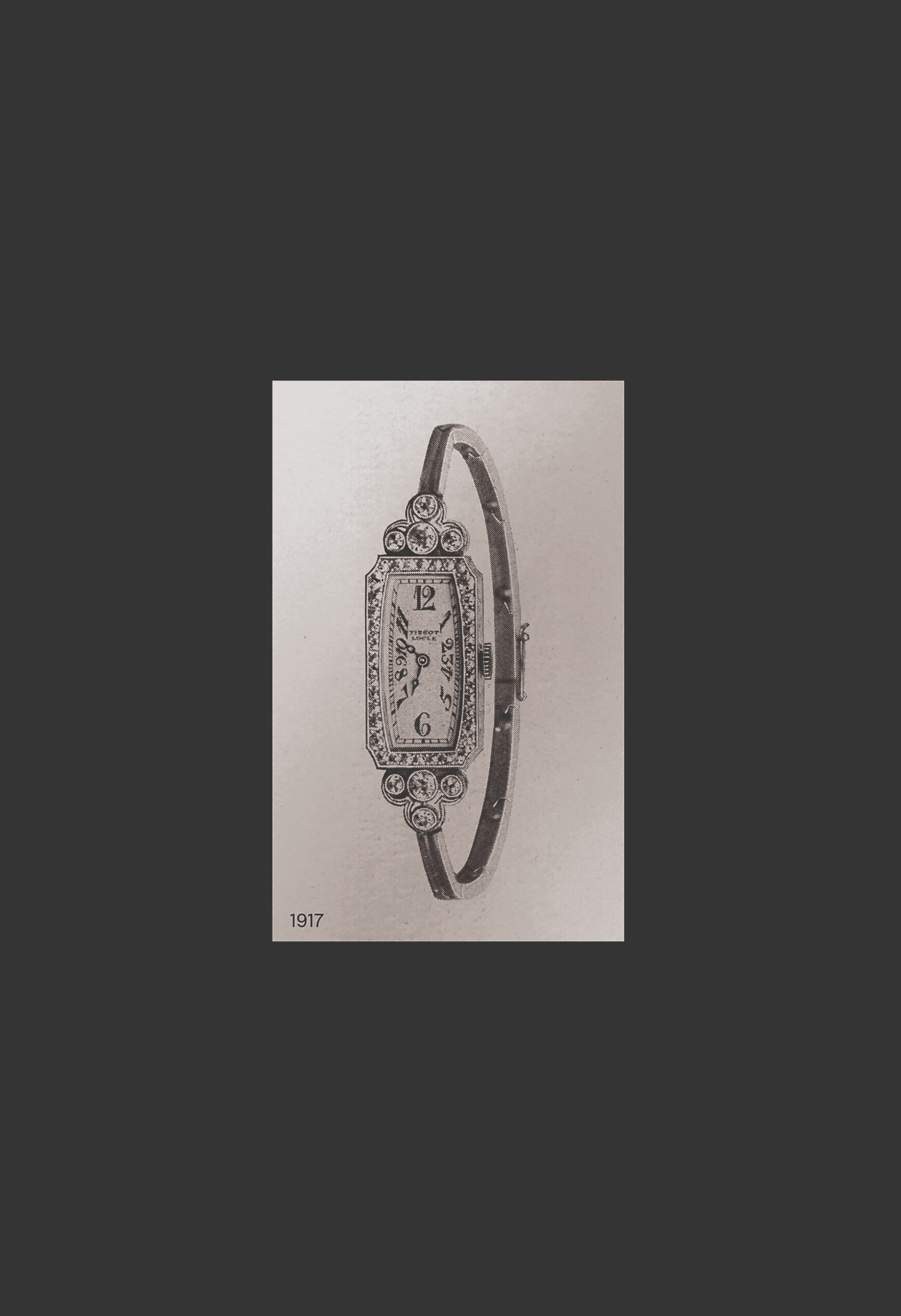
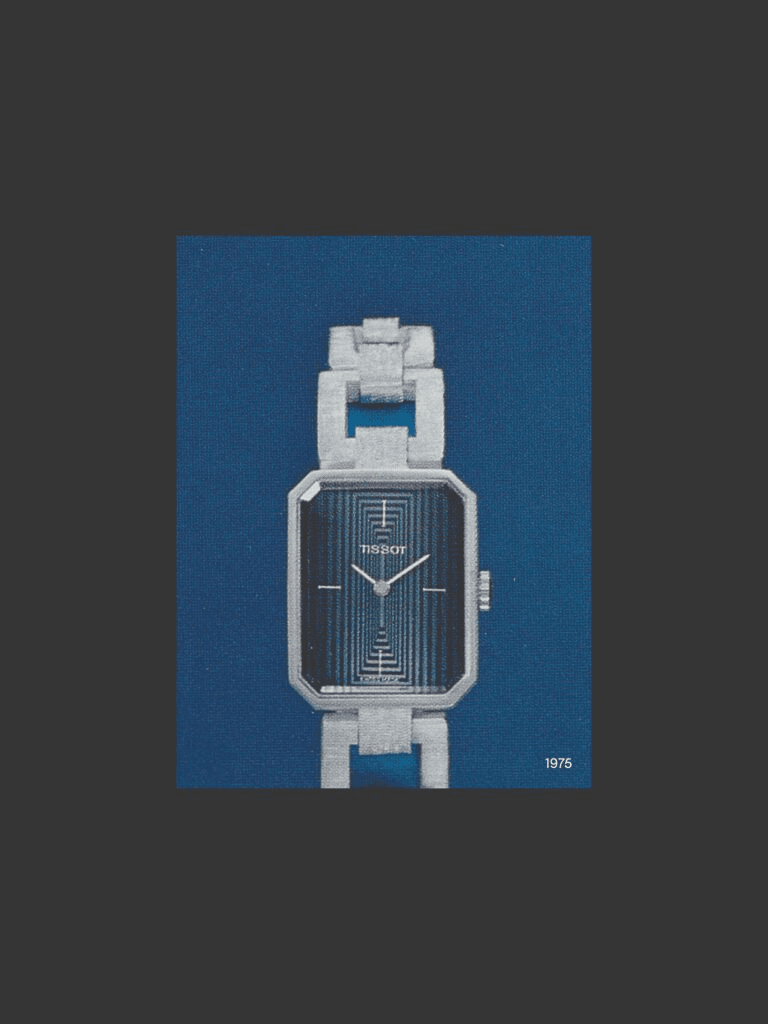
As women continued to fight for greater freedom, Tissot supported this movement through its designs. The brand asked: “Why shouldn’t women’s watches be both durable, feminine, and stylish?” In 1975, a new model inspired by these ideals joined the collection. Reflecting the trends of the 1920s wave of freedom, this angular rectangular-cased watch featured a sapphire crystal dial, offering both durability and practical daily use for women. Throughout its history, Tissot has designed watches for women of every era, a legacy that continues to inspire the brand’s modern creations.