
Before another grape harvest festival in this autumn, let us explore the annual growth cycle of grapevines.
All good things come to an end; the seasons begin and end. For instance, the grape harvest, which means picking the grapes and striping the vines bare, also has both meaning of the end and the beginning. This miraculous grape harvest will be celebrated in Turkey as well as in many places in the world. Invaluable grape harvests will take their place in the facilities to transform into other forms.
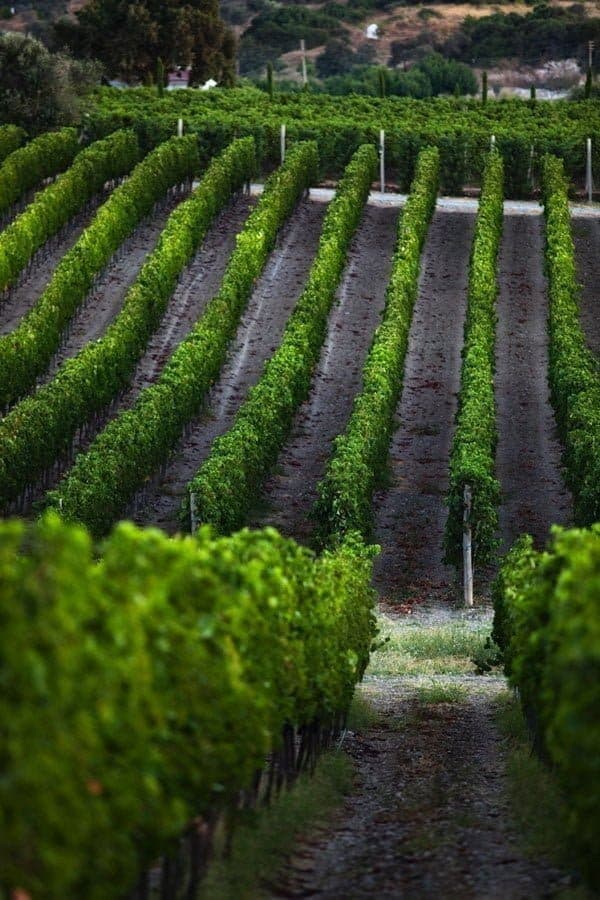
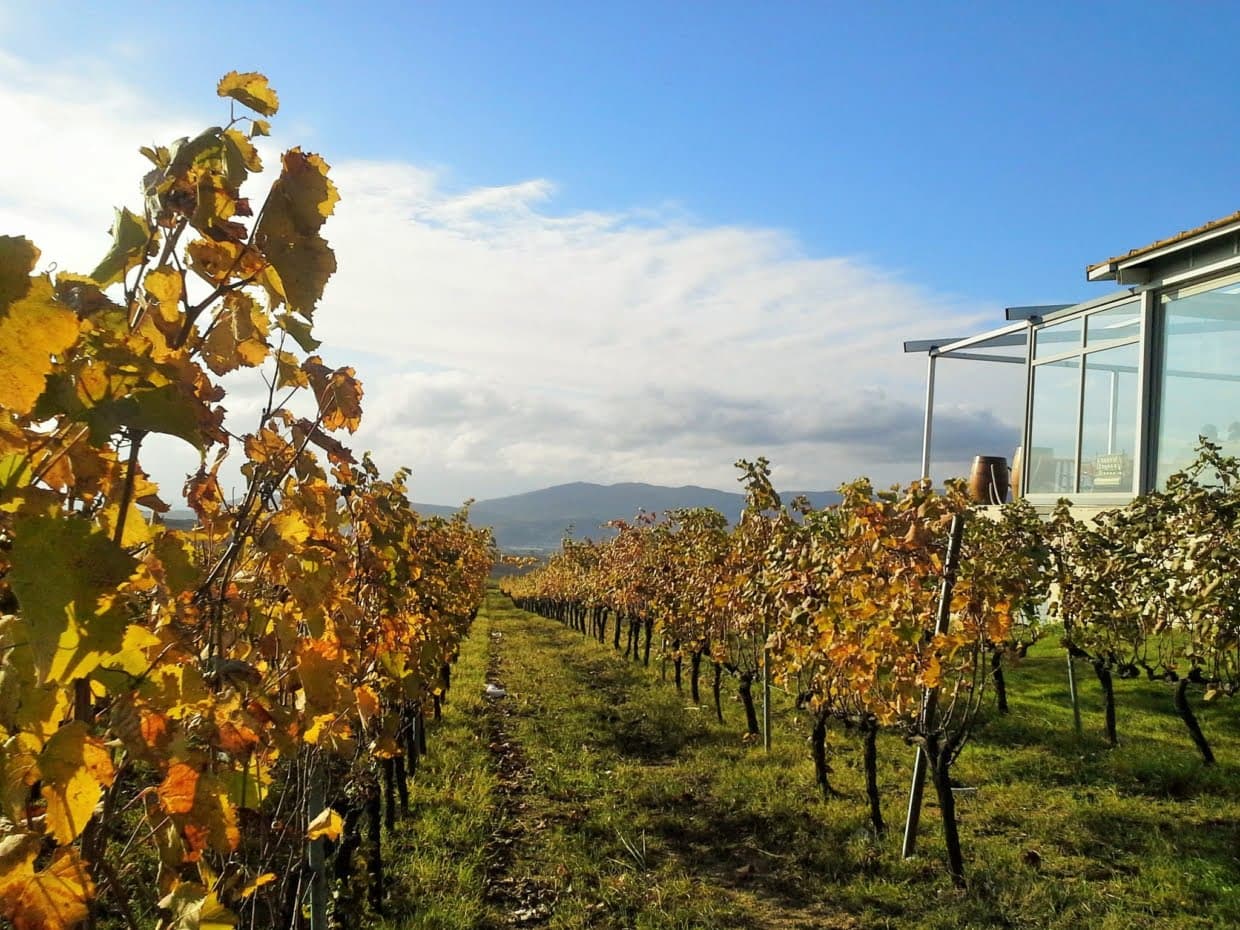
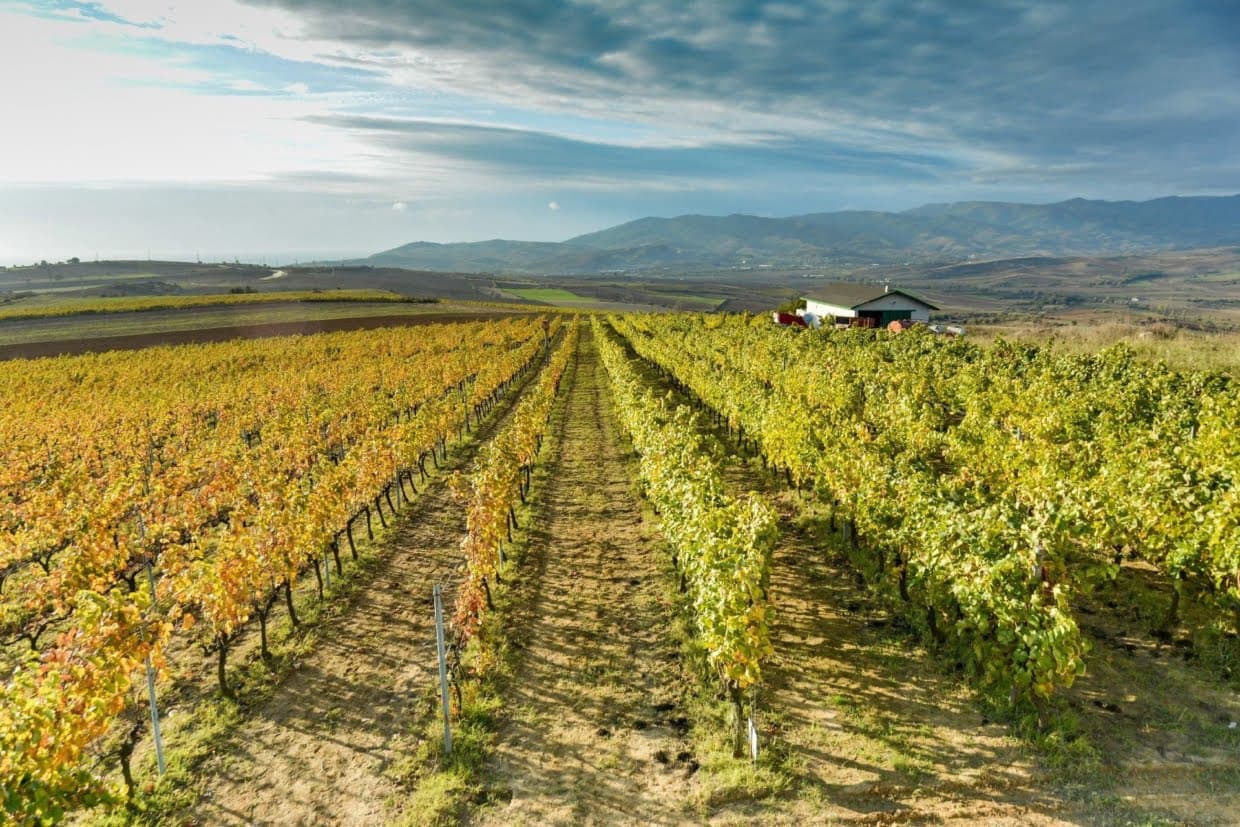
To celebrate the grape harvest properly, we need to understand the annual growth cycle of grapevines and grasp how much effort and patience the process requires. Grapevine saplings, or grape trees, are the leading actors of the grape harvest. Depending on the climatic factors, they planted in vineyards in early spring or late autumn. With proper conditions and pruning, grapevine saplings begin to yield in desired quality about one or two years. The general cycle of the grapevines is the process that take place as flowering, ripening and harvesting in spring, summer and autumn respectively. No doubt that the most excited part of this story is steps like picking the grapes correctly, making them ready to be used as raw materials in cosmetics and food production, as fruit on the table or in winemaking.
The Red Signal
To pick, the grapes should be ripe. This ripening process takes place between August and September in north of the equator, and between February and April in the south. Well, what is happening in the world of grapes in the interim? By understanding this process, in which the quality of wines is determined, we can meet another miracle of nature, which most of us have started to establish new relationships during the pandemic period.
French experts called this process as “veraison”, refer to the period when green, hard and small grapes get bigger, turn to red and ripen. This process may take 30 to 70 days, depending on the climate and location. Gradually, grapes in yellowish green begin to turn red or even purple. If you have an opportunity visit a vineyard in the middle of summer, you can witness this ripening process.
Later on, the hard grapes begin to soften along with the color change. As the stored starch is converted to sugar sap begins to move in the vine; the acidity decreases, the grapes become bigger, sweeter, and ready to say goodbye to the branches. This process will be experienced faster and more stable as much as grapevine is exposed to the sun. The grapes on the vines that do not get enough sun can follow the process behind. That is, the color change, which starts in July, may shift to August in cool weather. The grapes usually turn to the desired color within six weeks.