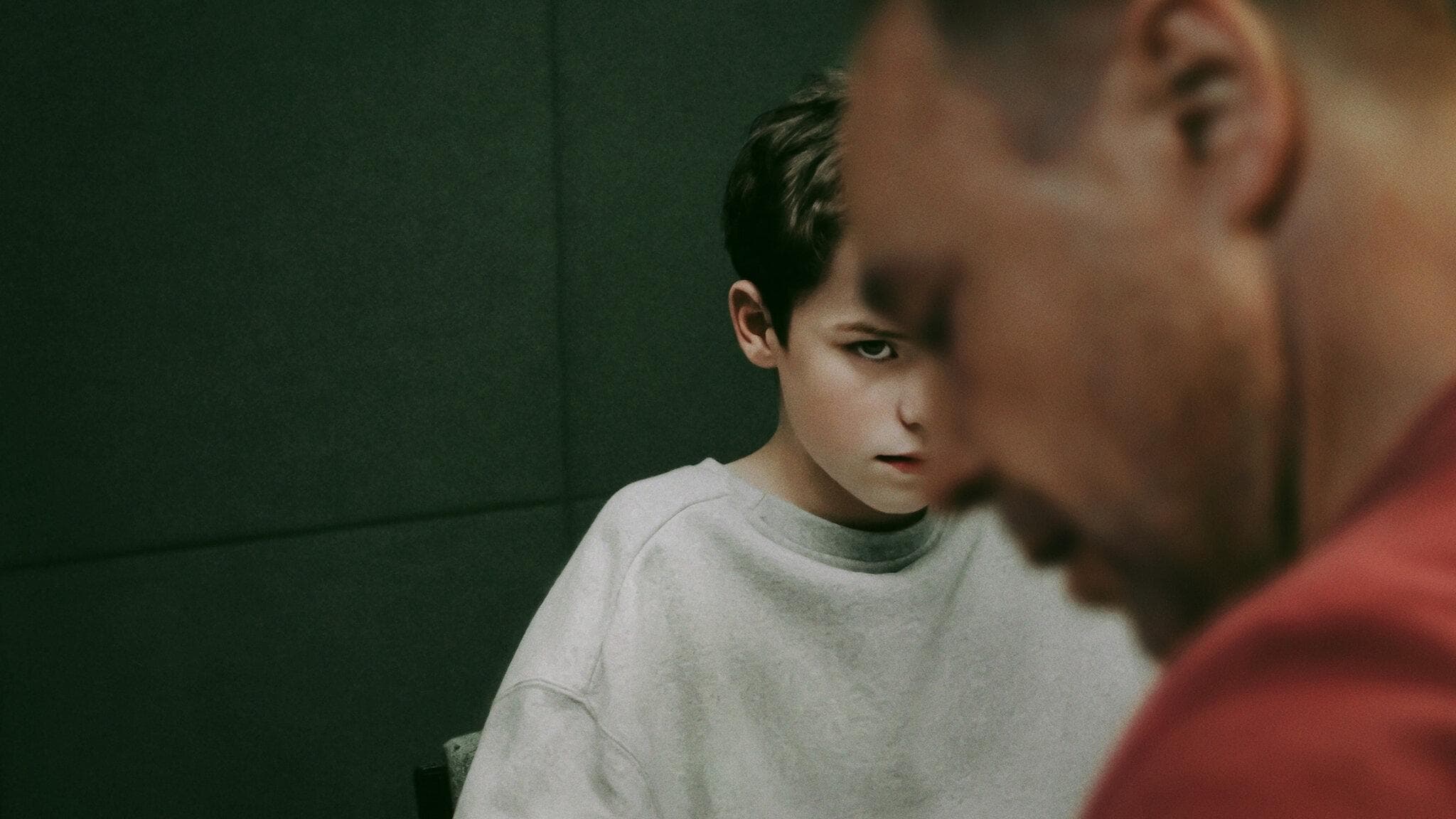
These days, everyone is talking about this. From its cinematographic techniques to the actors’ performances, every detail of Adolescence reflects meticulous craftsmanship. But what makes this series so impactful for its audience?
Some productions have the power to immerse viewers not only in the plot but in the very world they create, thanks to bold storytelling and distinctive cinematographic choices. Adolescence, one of Netflix’s most talked-about recent releases, achieves this masterfully, dominating conversations everywhere. Director Philip Barantini’s striking use of the camera, seamless single-take sequences, and the compelling performances of Stephen Grahamand Owen Cooper transform the series into a gripping narrative that blurs the boundaries between cinema and television. In this analysis, we explore every aspect of Adolescence—from its direction and performances to its storytelling and cinematographic nuances.
The Fragile Anatomy of Adolescence – Credit: Netflix
“Adolescence is the closest thing to television perfection in recent decades.” — Lucy Mangan, The Guardian
Why Is Adolescence So Widely Discussed?
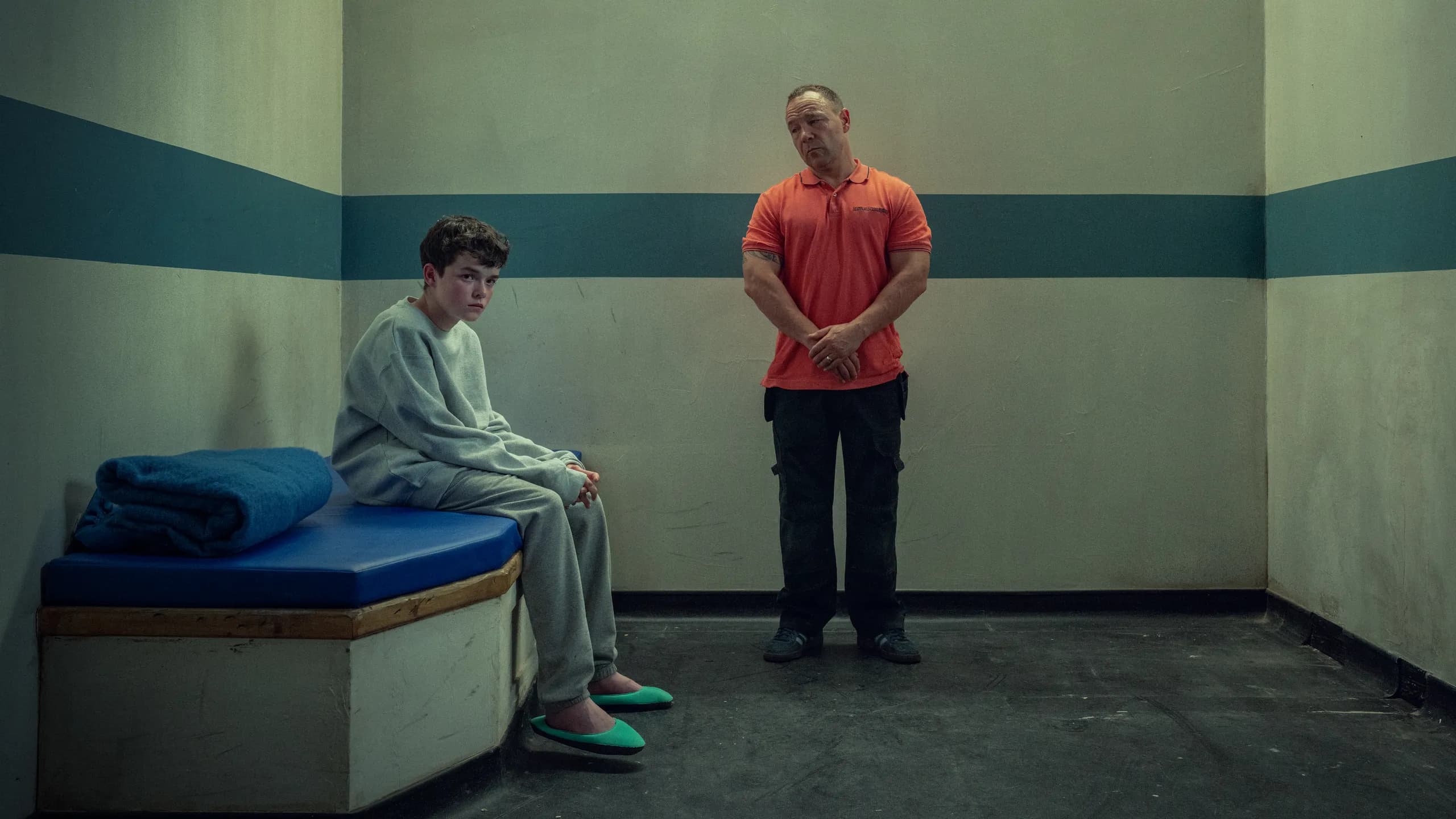
At first glance, Adolescence may seem like a conventional crime and family drama, but it transcends traditional storytelling norms by portraying modern societal dynamics and adolescent struggles with striking authenticity. The series examines the various stages of a crime—depicting the morning after an arrest, police investigations at school, a young suspect’s discussions with a psychologist, and a family’s emotional turmoil in the hours leading up to a verdict.
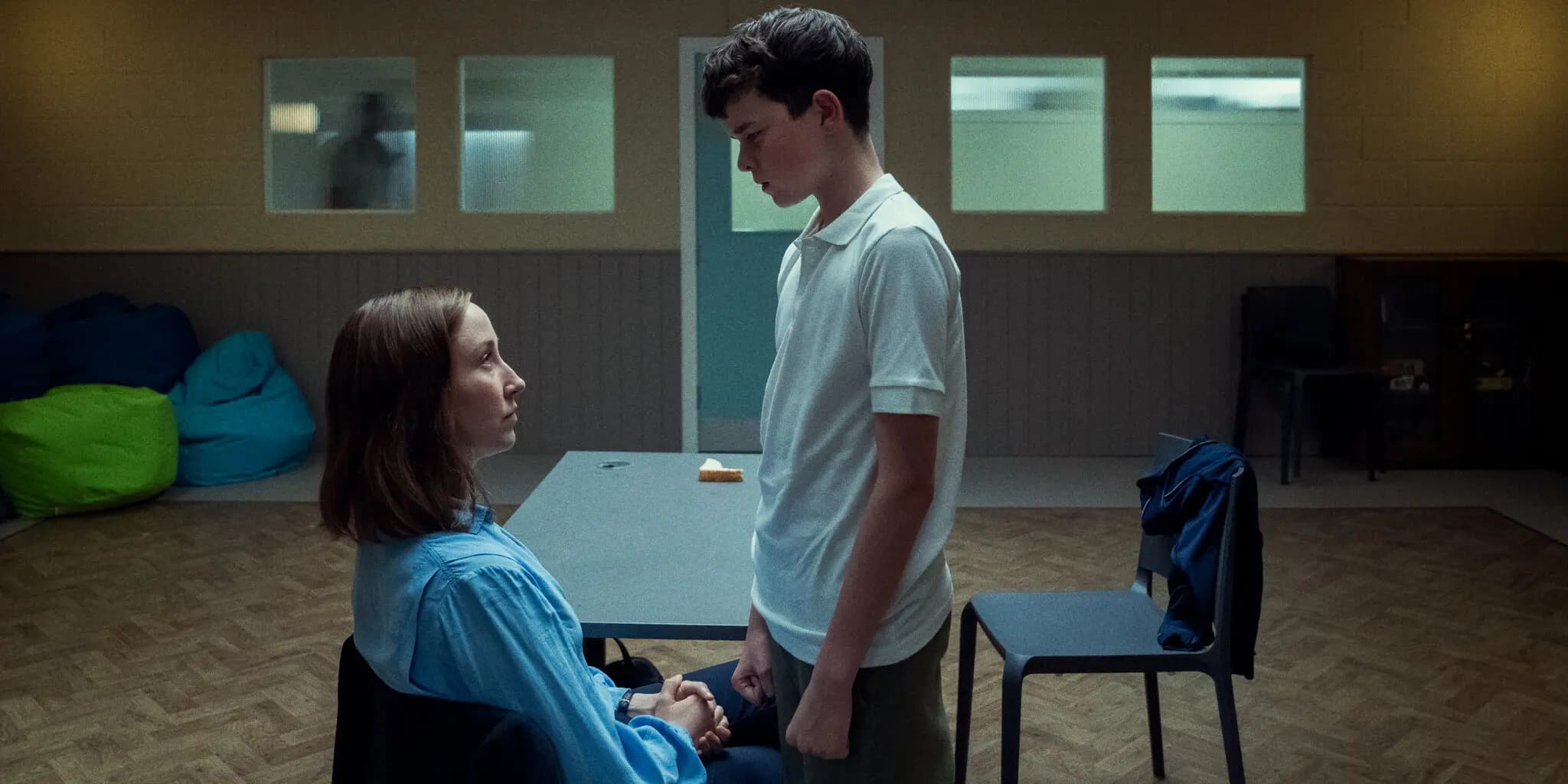
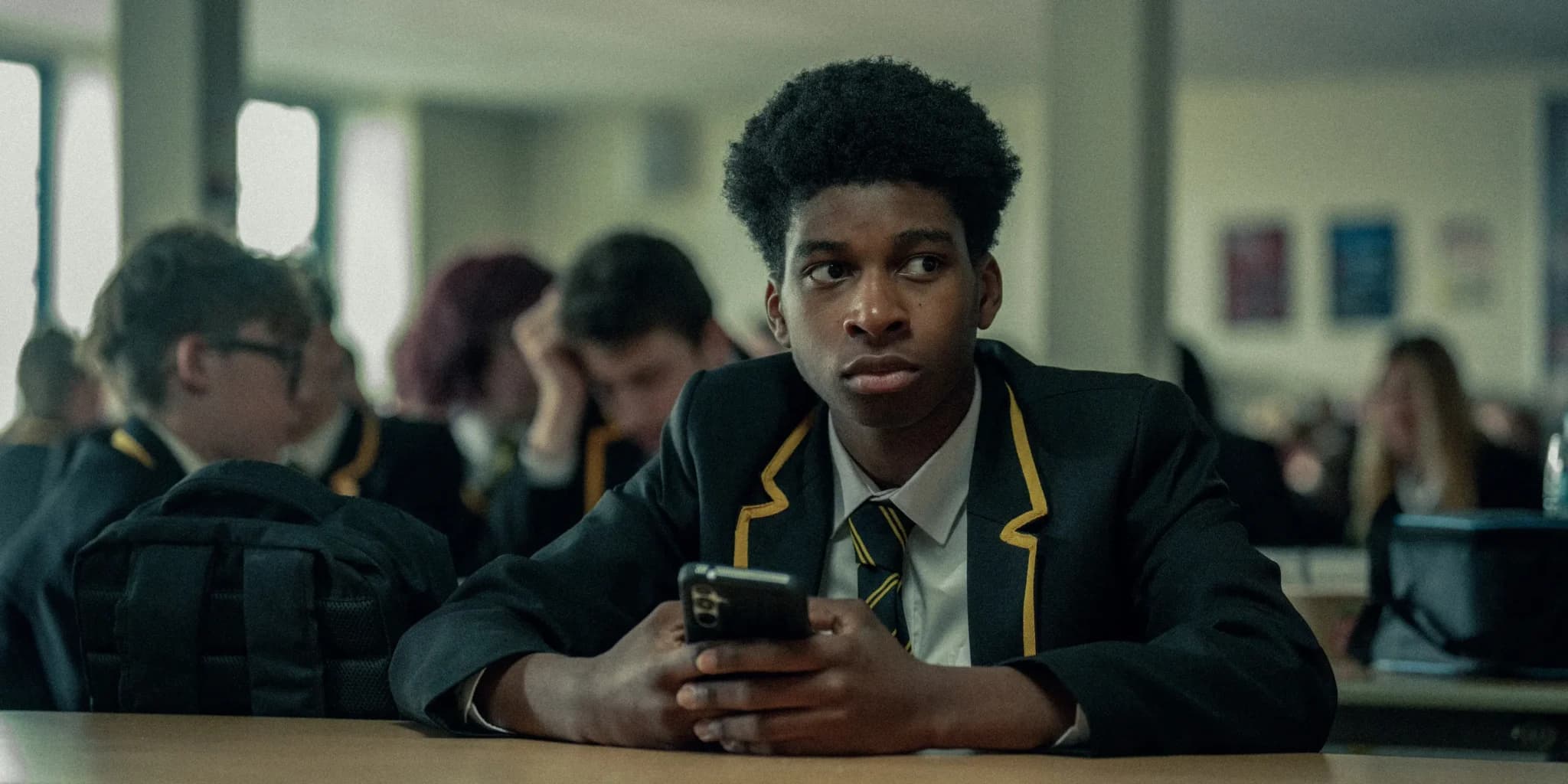
The central narrative revolves around Jamie Miller, a 13-year-old accused of causing the death of his schoolmate Katie Leonard, and the profound impact this event has on his family, society, and personal identity. Jamie’s isolation, his parents’ gradual emotional unraveling, and the media frenzy surrounding the case shift from a conventional crime drama into a deeply character-driven psychological study.
The Fragile Anatomy of Adolescence – Credit: Netflix
Reality or Fiction?
One of the series’ most striking aspects is its documentary-like realism. The minimalist script, combined with the director’s use of natural lighting and handheld camerawork, creates an almost voyeuristic experience for the audience. At its core, Adolescence presents an original story grounded in pressing contemporary issues—social media-fueled public shaming, the complexities of the justice system, and intergenerational family conflicts.
Regarding whether the series is based on a true story, creators Philip Barantini and Stephen Graham state: “Every moment not directly lifted from real life still reflects the stories of countless young people. Yes, there is fiction—but many of the characters and events are drawn from reality.”
The Fragile Anatomy of Adolescence – Credit: Netflix
“The series delivers an emotionally gripping experience.” — Anita Singh, The Daily Telegraph
Uninterrupted Tension: The Power of the Single Take
One of Adolescence’s greatest technical achievements is its use of single-take sequences, with each 50-60 minute episode filmed in a continuous shot. Having previously employed this technique in Boiling Point, director Philip Barantini extends it across a four-episode narrative, creating an immersive and relentless viewing experience. Every movement, line of dialogue, and camera angle is meticulously choreographed, leaving no room for error. Each episode required an average of 9–10 takes to complete, enhancing the film’s authenticity through fluid camera work, spatial dynamics, and improvisational moments.
The Fragile Anatomy of Adolescence – Credit: Netflix
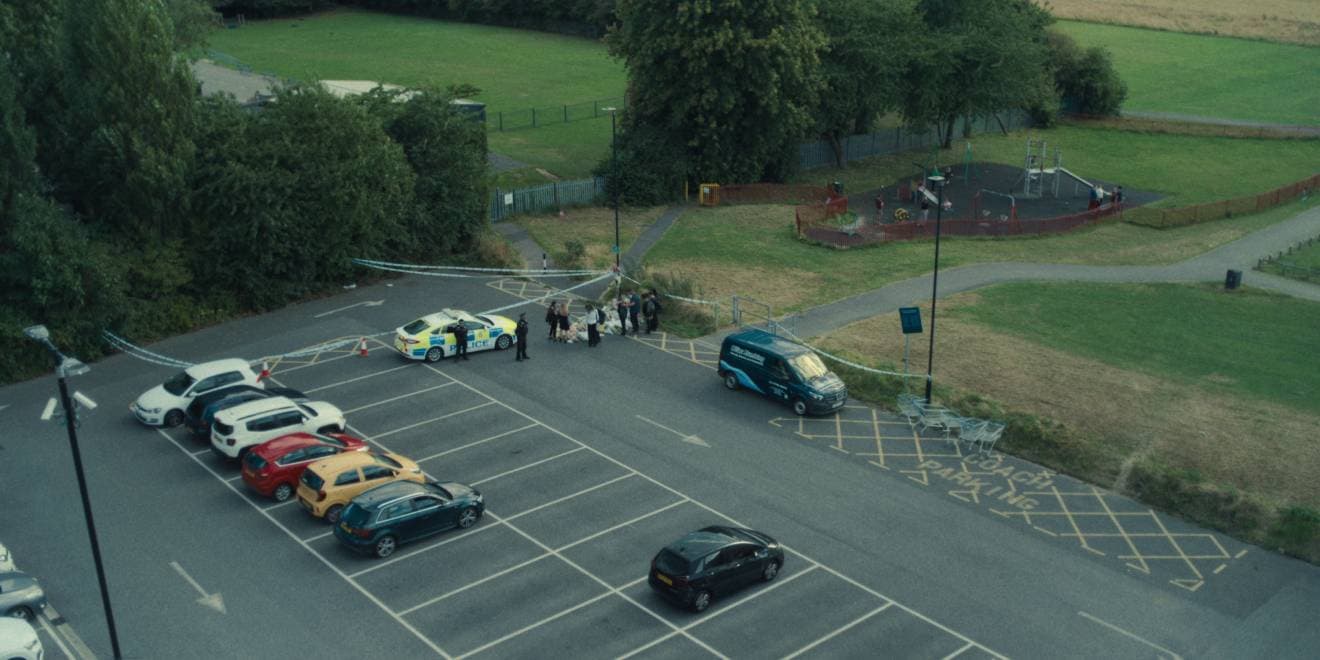
The climax of the second episode stands out as a particularly intense moment, delivering an emotionally devastating cinematic crescendo. As the camera moves towards the crime scene within the school, traditional techniques are combined with drone cinematography to expand visual storytelling. Producer and screenwriter Jack Thorne describes this innovative approach as follows: “What liberated us was technology.”
This simple yet profound statement encapsulates how the series redefines narrative storytelling through visual expression, drawing audiences even deeper into its world.
Flawless Performances
One of the series’ most surprising elements is the emergence of a new star—Owen Cooper. Selected from over 500 candidates for the lead role, Cooper delivers a striking debut performance, capturing Jamie’s fear, helplessness, and rage with extraordinary nuance. His portrayal has earned widespread acclaim, and the young actor himself was stunned by the support he received from his hometown friends in Warrington: “I honestly thought they would mock me. But they were incredibly supportive.”
The Fragile Anatomy of Adolescence – Credit: Netflix
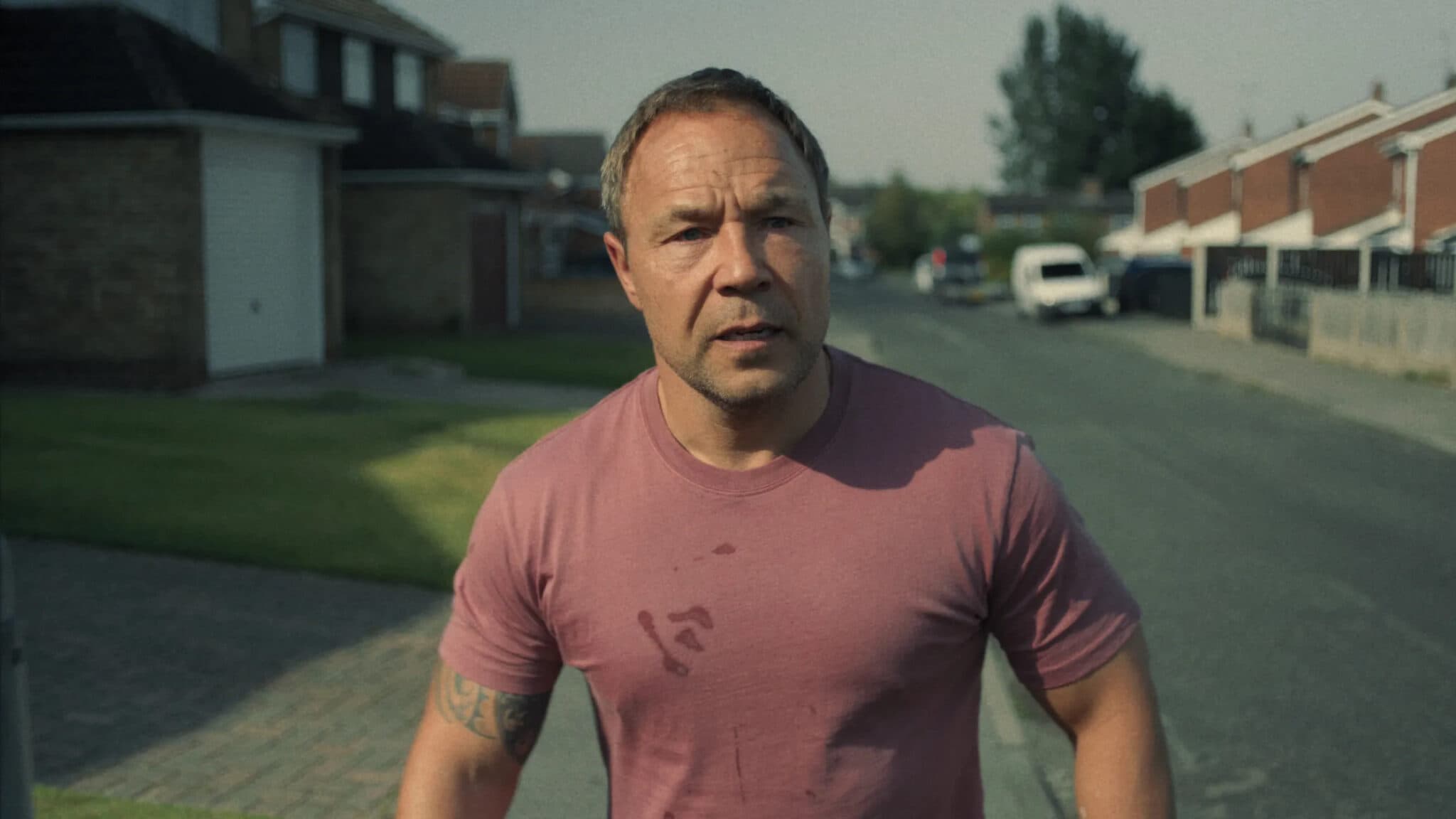
Veteran actor Stephen Graham, known for Boiling Point and Snatch, portrays Jamie’s father, Eddie Miller, with remarkable depth, conveying despair and helplessness without the need for words. As both an actor and a co-creator of the story alongside Jack Thorne, Graham plays a father struggling to reconcile his belief in his son’s innocence with the weight of social scrutiny. He and Thorne note that they wanted to explore how society has reached a point where such tragedies feel almost routine.
“Critics describe the series as raw and unflinchingly realistic—one of the standout productions of 2025.” — Variety
The Fragile Anatomy of Adolescence – Credit: Netflix
Parent-Child Dynamics
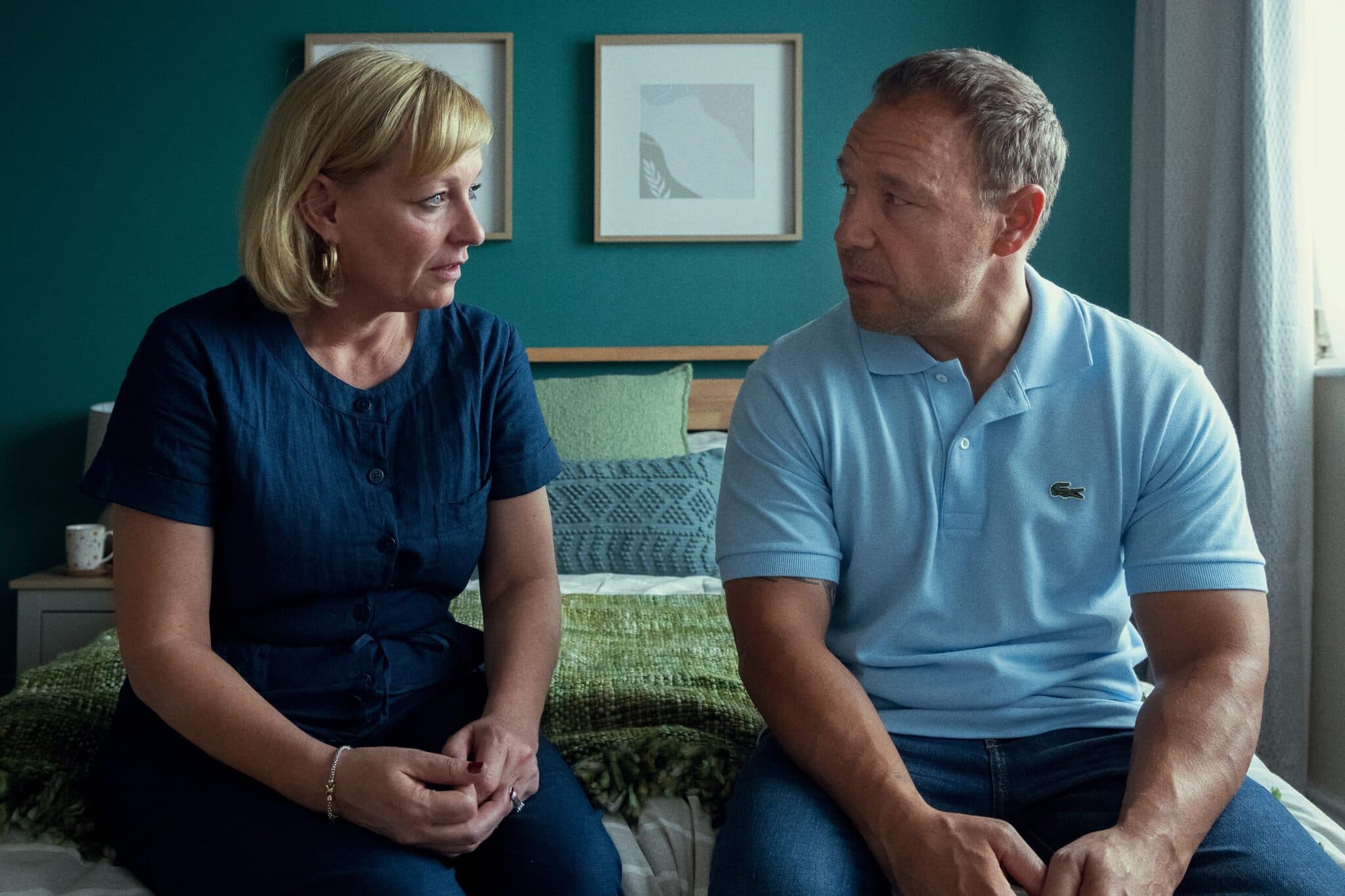
Adolescence approaches parent-child relationships with unfiltered realism, steering clear of clichés. The Miller family not only battles external pressures but also faces an internal reckoning in the wake of their son’s accusation. Katherine Waterston, in the role of Jamie’s mother, delivers a profoundly affecting performance, capturing the character’s emotional collapse with raw intensity. Meanwhile, Eddie Miller finds himself caught between his unwavering belief in his son’s innocence and the mounting doubts of those around him. The series raises thought-provoking questions: How well do parents truly know their children? And beyond love, what role do responsibility and trust play in these relationships?
Credit: Netflix
The World of the Younger Generation
Another compelling aspect of the series is its portrayal of young people navigating the digital world while struggling with empathy deficits. The show presents a generation consumed by online bullying, ridicule, and addiction to platforms like TikTok and Instagram. The inability to engage in meaningful conversation, listen with understanding, or show respect to one another emerges as a significant theme. In Adolescence, even a simple emoji holds weight, reflecting the immense impact of digital expression on today’s youth. The series captures the tension between their desperate attempts to carve out an identity online and their fear of being misunderstood in the real world. These dynamics contribute to Adolescence’s piercingly honest and unsettling narrative.
Credit: Netflix
In both form and content, Adolescence stands out as one of the most remarkable series of recent years. Philip Barantini’s directorial vision, the stellar performances, and the powerful narrative elevate the production beyond the realm of conventional crime dramas. By defying traditional storytelling norms, the series transcends its television format, offering an experience that rivals cinematic artistry. Ultimately, Adolescence is not merely a television show—it is a work of art that engages its audience through a masterfully crafted visual language and profound emotional depth. It is a series that leaves a lasting impact, sparking reflection long after the final scene fades to black.
Saatolog Yıllık Saat Dergisi Saatolog’un yeni sayısı, 2020’nin yarattığı bu dönüştürücü etkiden ilham alarak hazırlandı. Dünya dijitalin etkisiyle her zamankinden de hızlı bir şekilde ilerlerken yavaşlamanın da önemini sonunda kavramış bulunuyoruz ve bu tezatlık hayatlarımızın her anına etki ediyor. Biz de bundan yola çıkarak Saatolog 2020/21 sayısını ‘‘hızlı ve yavaş’’ teması altında hazırladık.