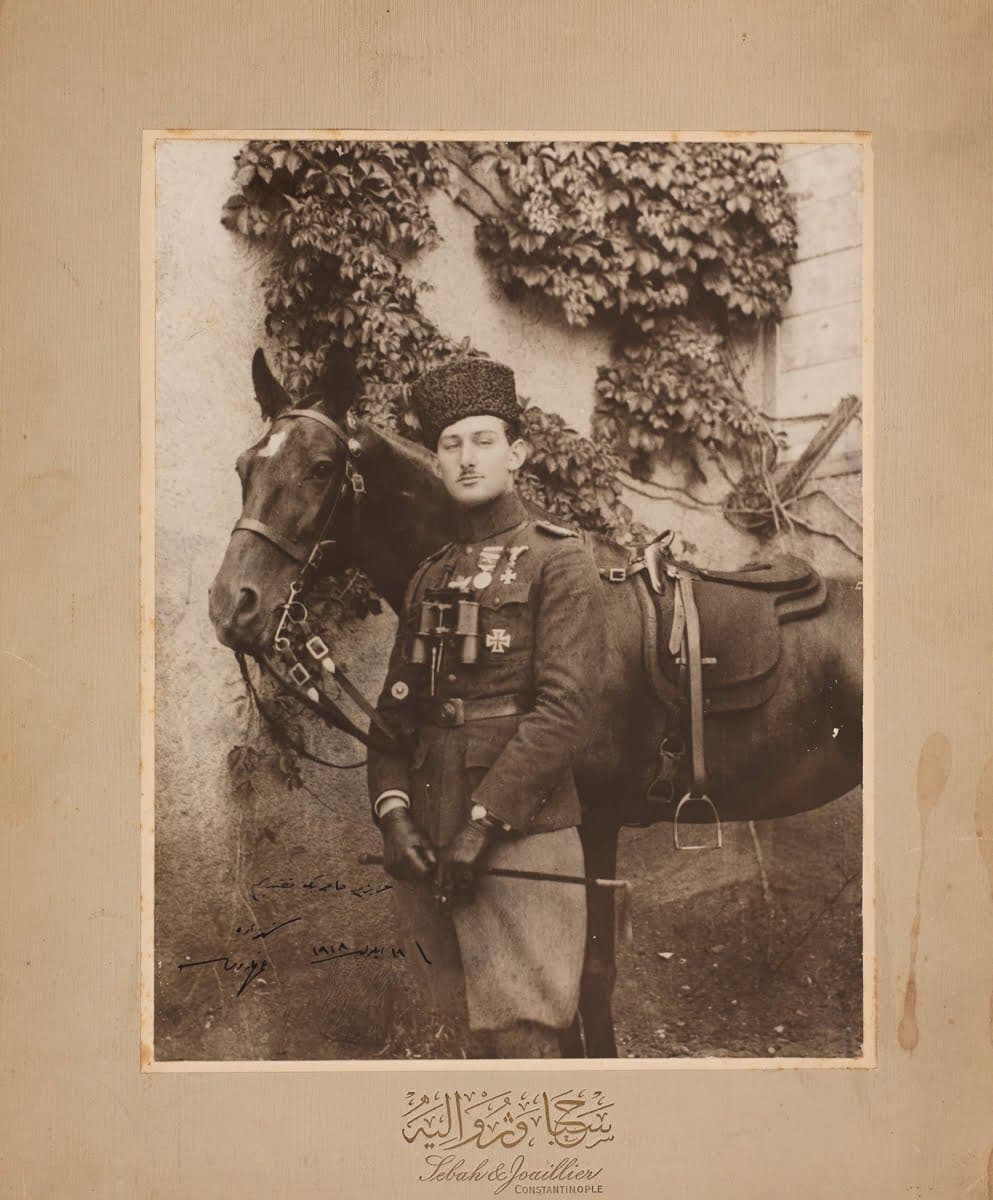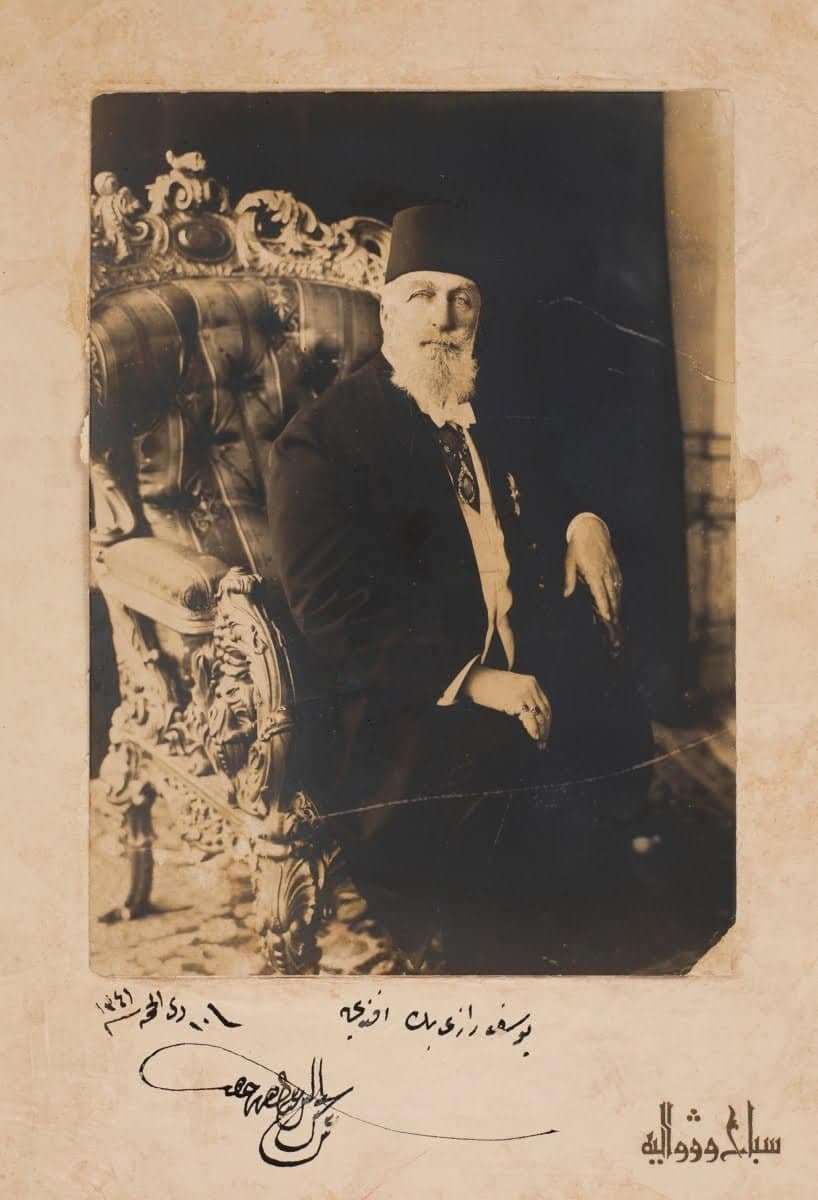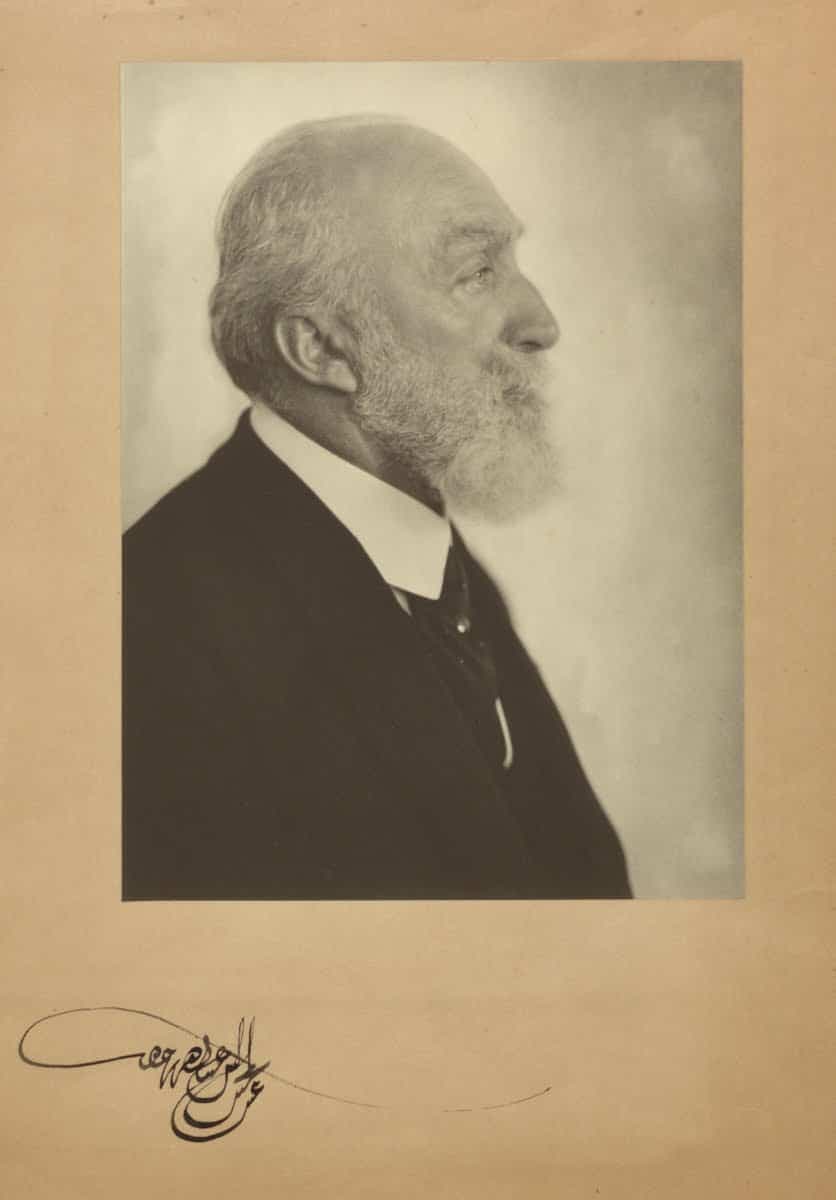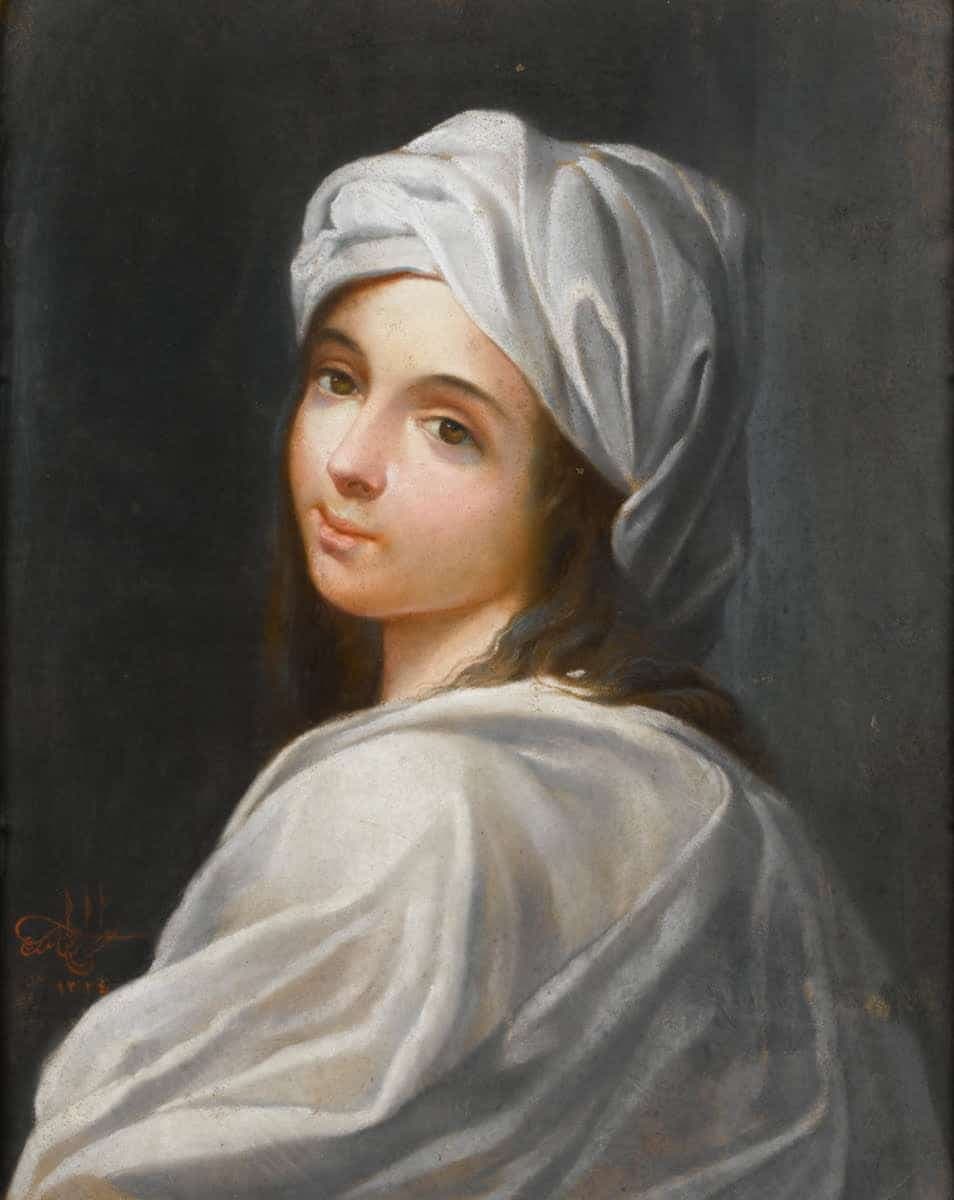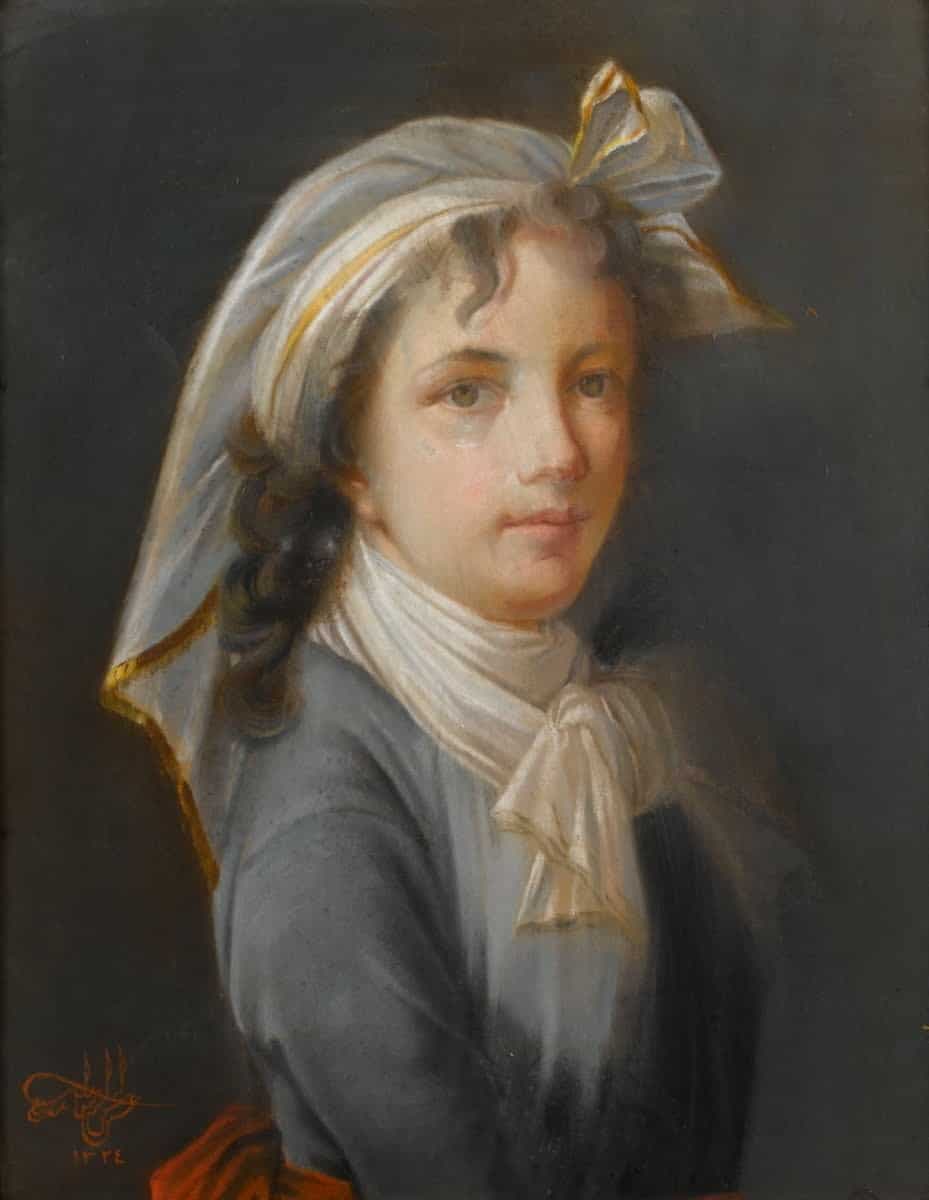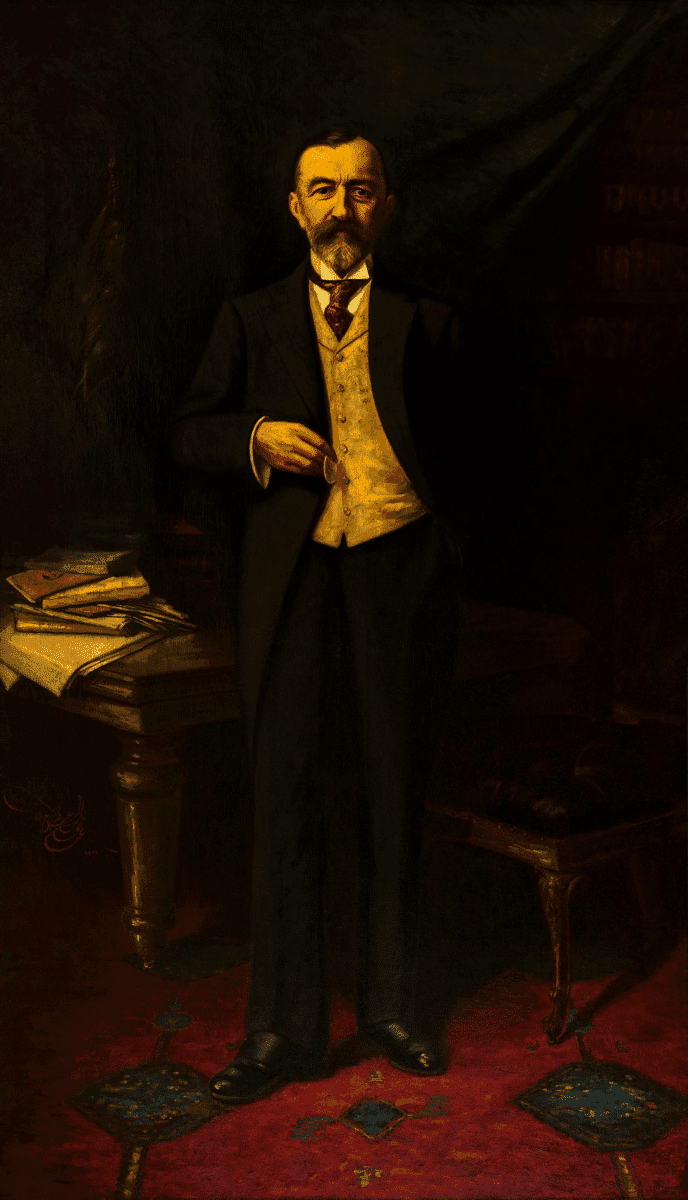
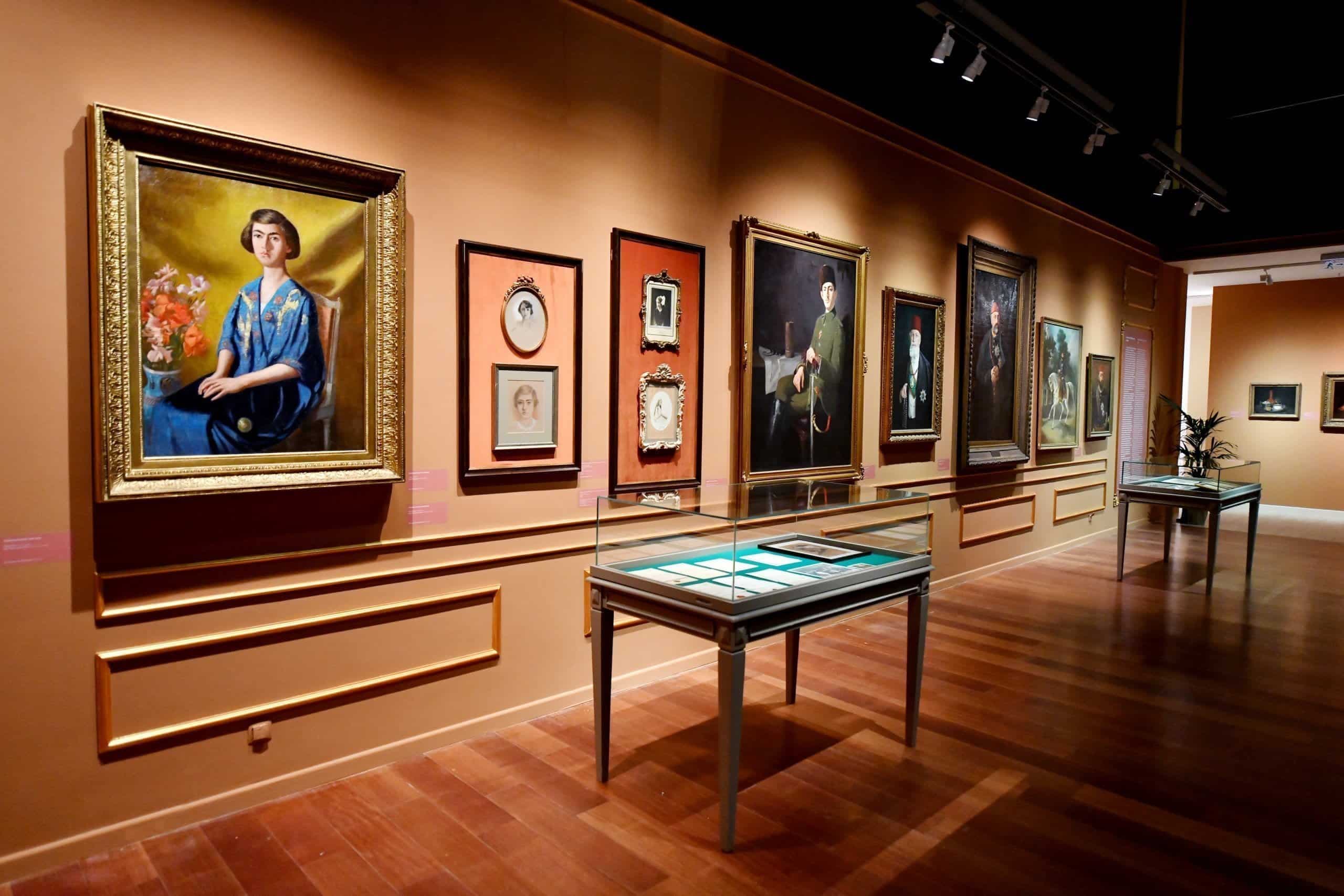
Extended until August 28, “The Prince’s Extraordinary World: Abdülmecid Efendi” exhibition focuses on the works of the Prince and the archival documents of his family, allowing us to gain insight into the modernization process of the Ottoman Empire.
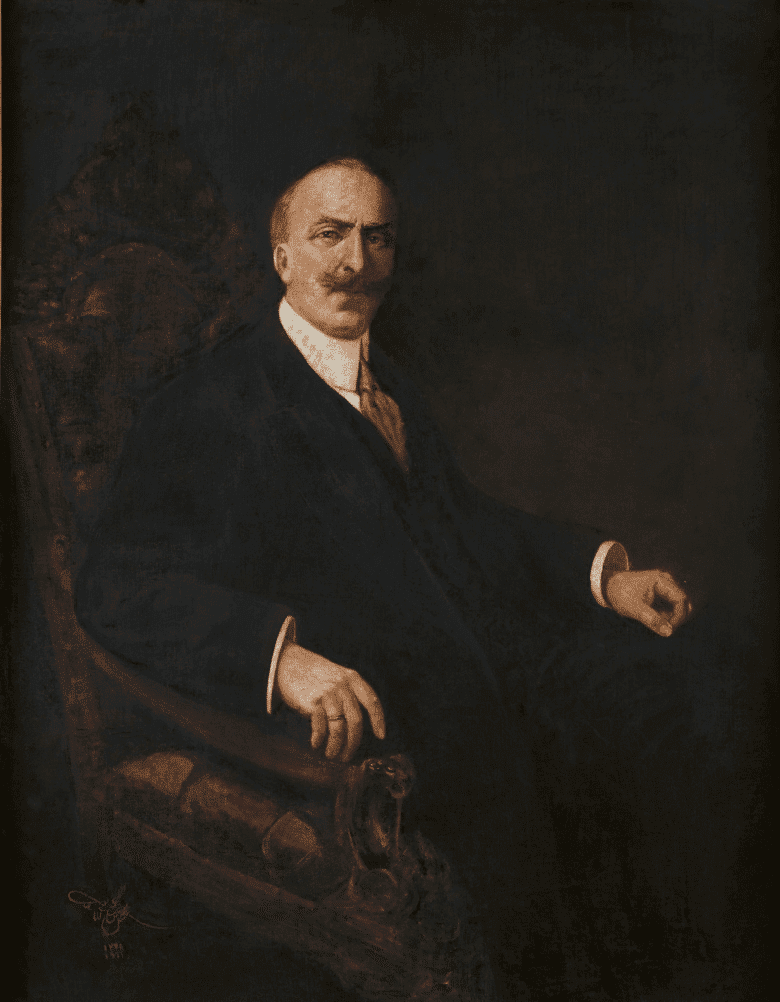
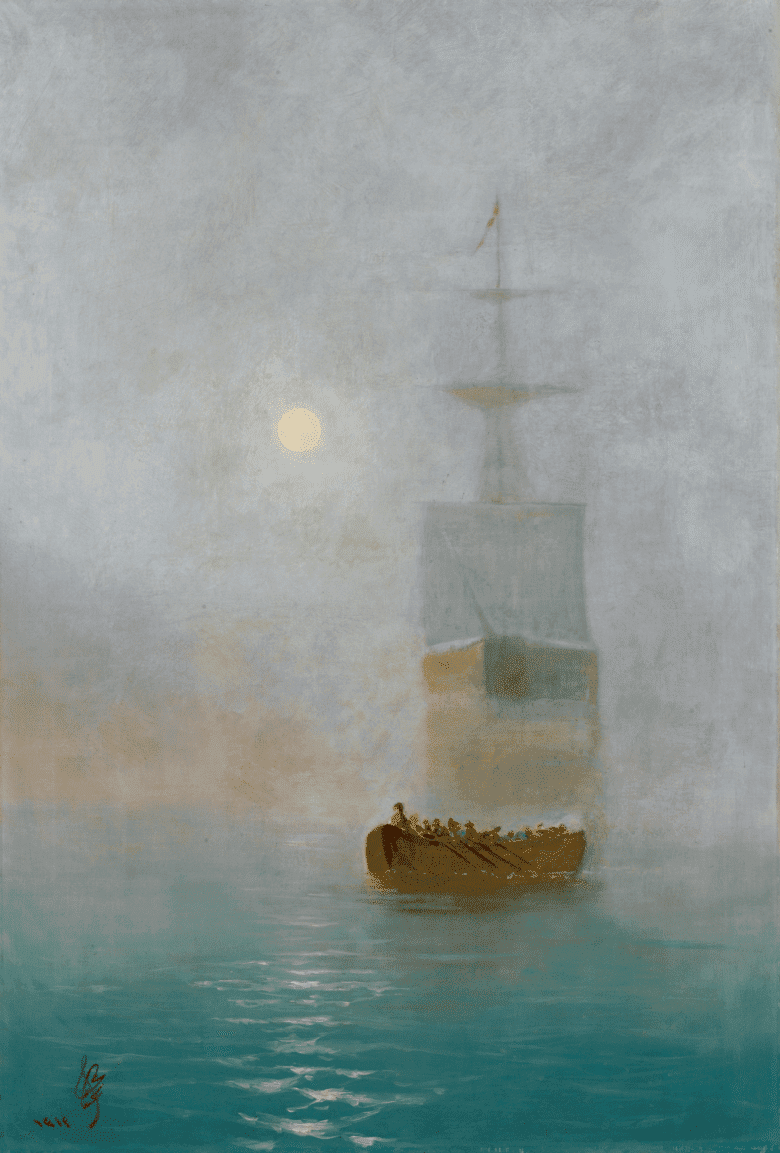
I think, one of the most beautiful views of the Bosphorus is the capacious room on the top floor of the Aşiyan Museum, which Tevfik Fikret once used as his bedroom. It was in this house that Tevfik Fikret wrote his famous poem “Sis” (The Mist), overloading the blue and vast view of the Bosphorus from the Bebek ridges. In this poem, Fikret depicts a dark Istanbul shrouded in fog. The poem was written in the early 1900s, when the Ottoman Empire was on its last legs and the oppression of Abdülhamid II’s tyranny had taken hold of society. Otherwise, it would have been impossible to look at the Bosphorus from the ridges of Aşiyan and see such a foggy Istanbul. Fikret describes Istanbul in his poem as follows: “Oh! Living mass that sleeps in the blue embrace of Marmara / as if it were dead”. Tevfik Fikret was not the only person who saw Istanbul in this way at the time; influenced by the poem, Prince Abdülmecid Efendi drew the painting “Fog in Istanbul”. The lower left corner of the painting is signed “To Mr. Tevfik Fikret, my Muhibbi Muazzezim (Honorable Friend)”. The painting, which is on display at the Aşiyan Museum, is a part of “The Prince’s Extraordinary World: Abdülmecid Efendi” exhibition at the Sakıp Sabancı Museum since December 21. The exhibition brings together the paintings of Abdülmecid Efendi, who left a deep mark on Ottoman art life, and archival documents shedding light on the period.
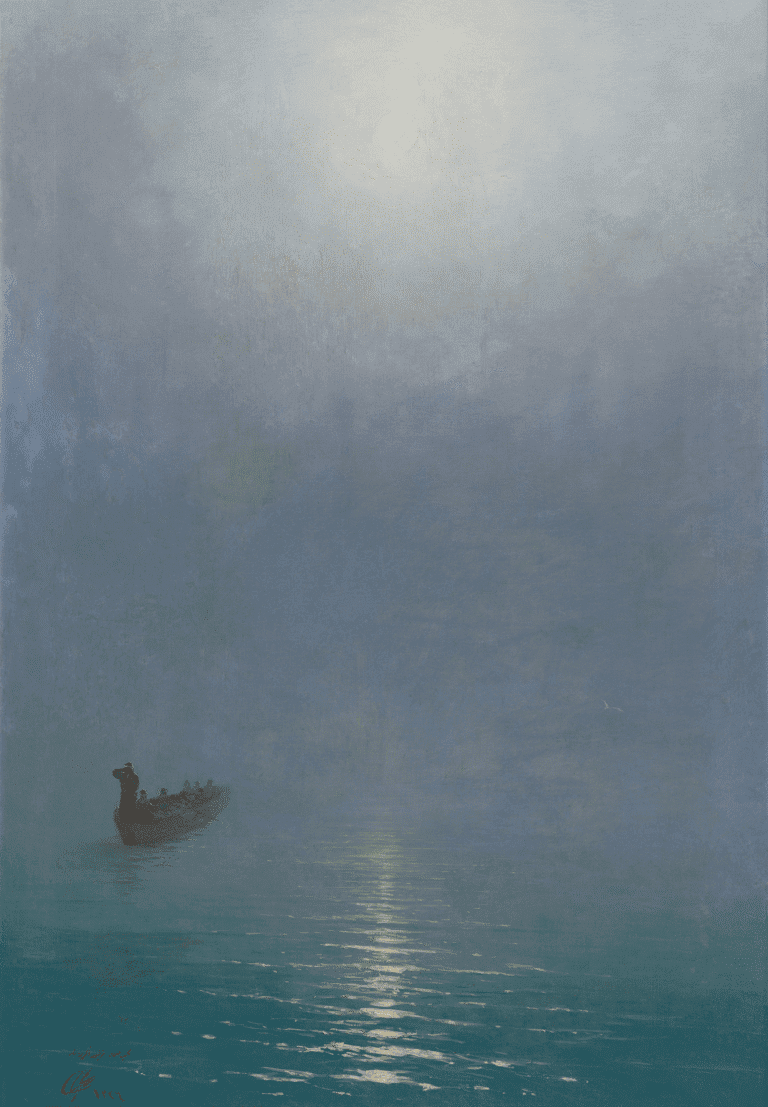
Abdülmecid Efendi, who created many paintings such as “The Mist in Istanbul”, witnessed the tragic death of his father at a very young age and reflected this sadness in his artworks for many years, according to Dr. Nazan Ölçer, Director of Sakıp Sabancı Museum. The “The Prince’s Extraordinary World: Abdülmecid Efendi” focuses on the multifaceted artistic identity of Abdülmecid Efendi, whose life was characterized by throne disputes, political events and world wars. The exhibition includes works from the collections of 14 official institutions, 17 family collections, private museums and galleries, as well as works from France, where Abdülmecid Efendi spent the last 20 years of his life.