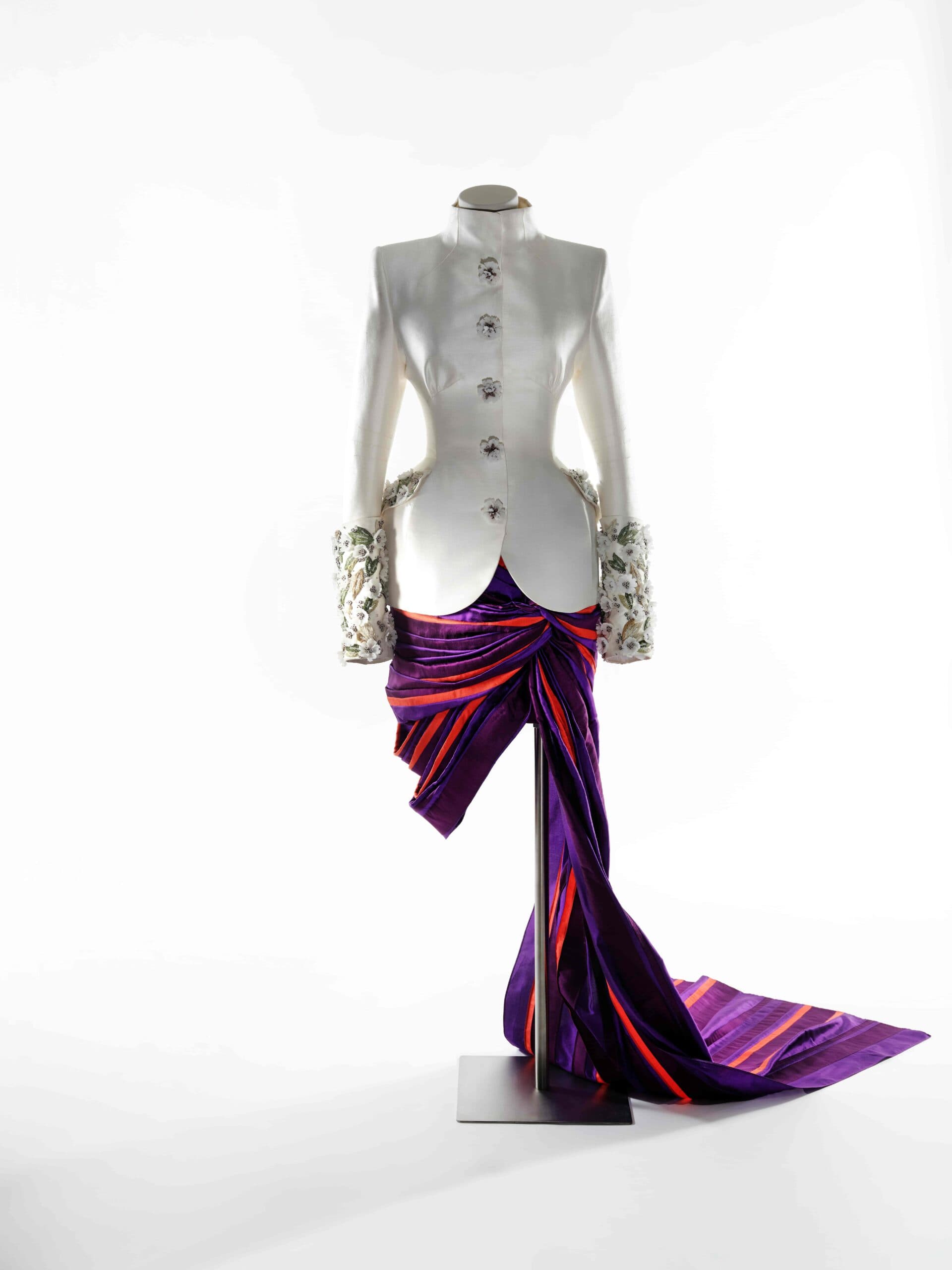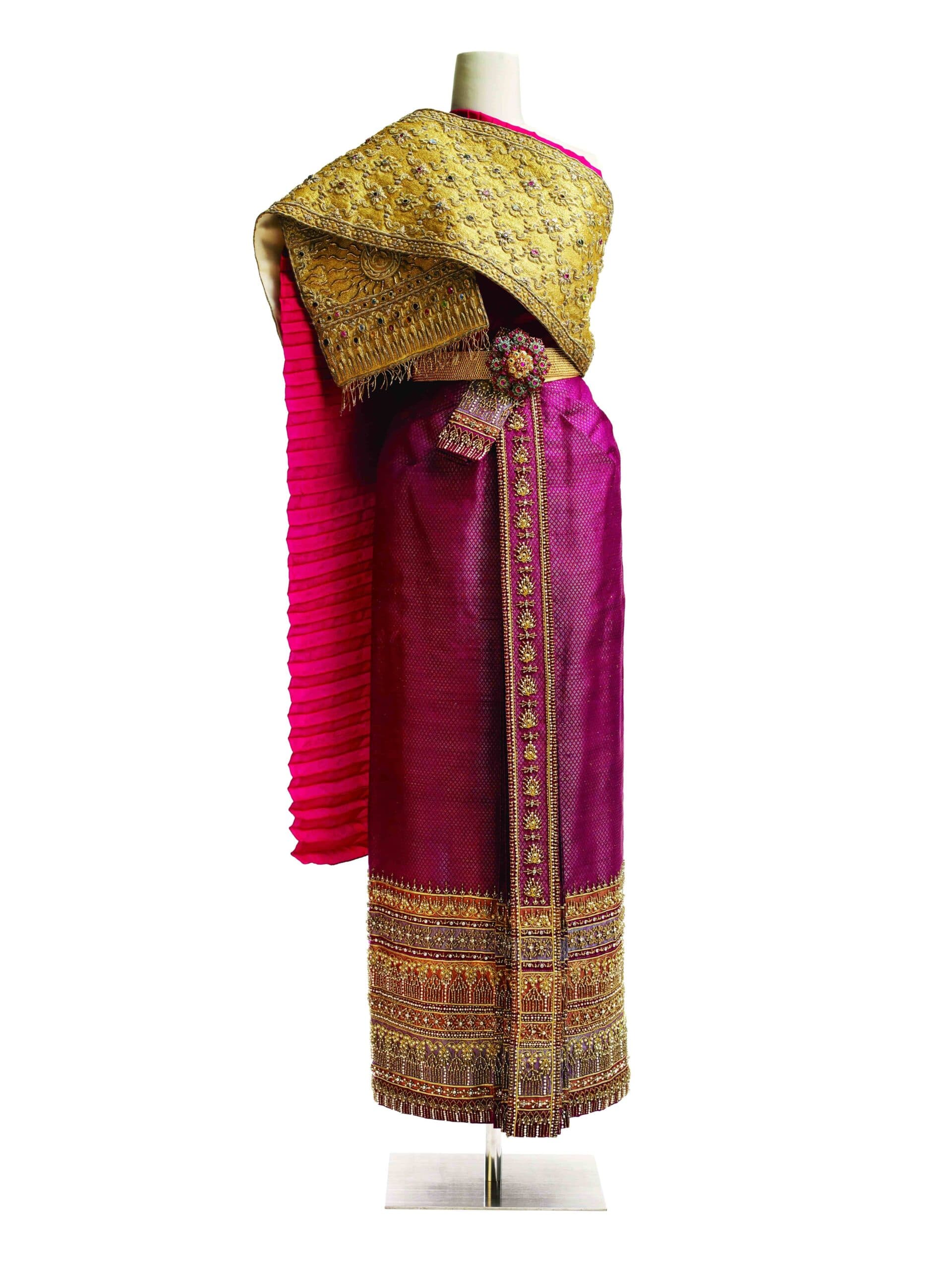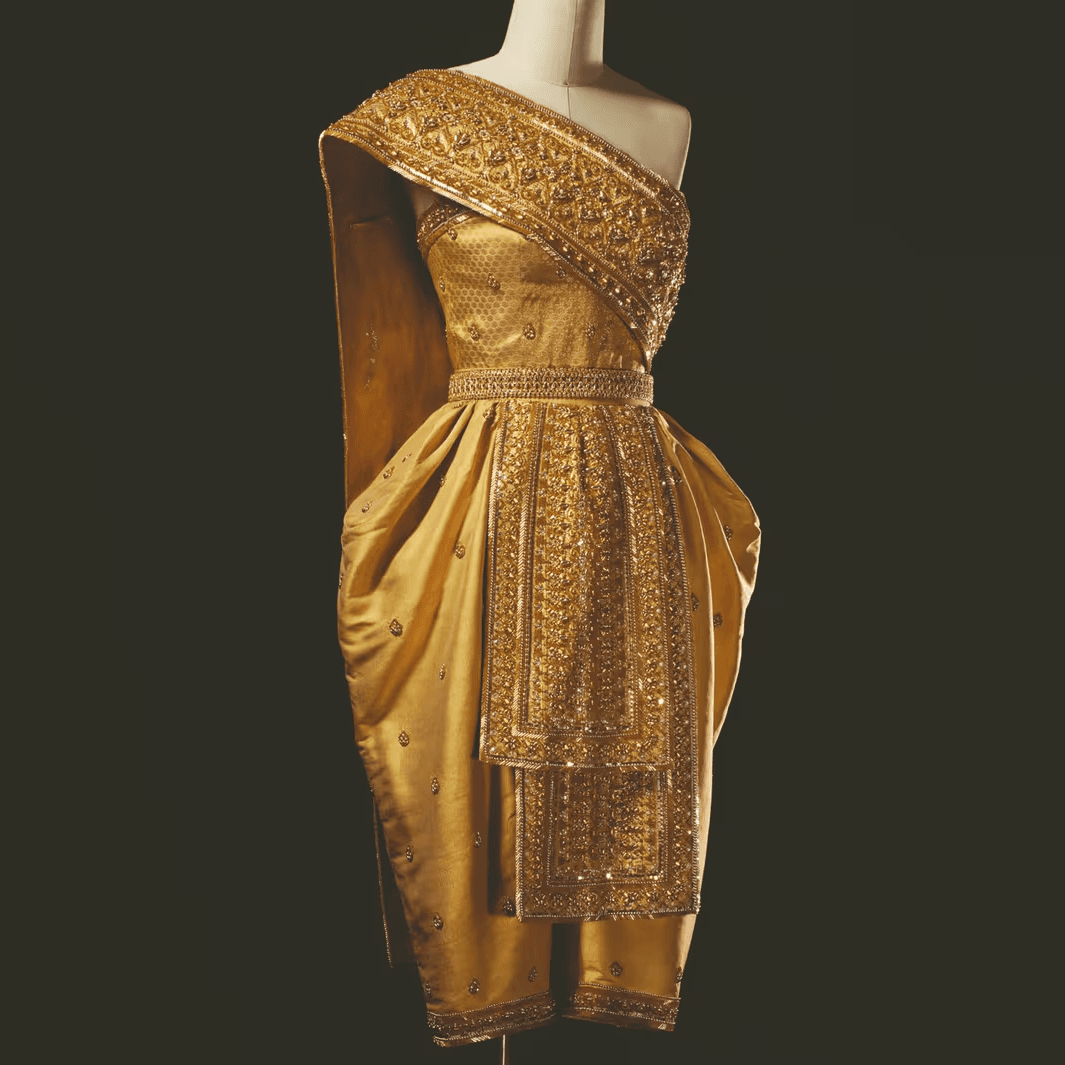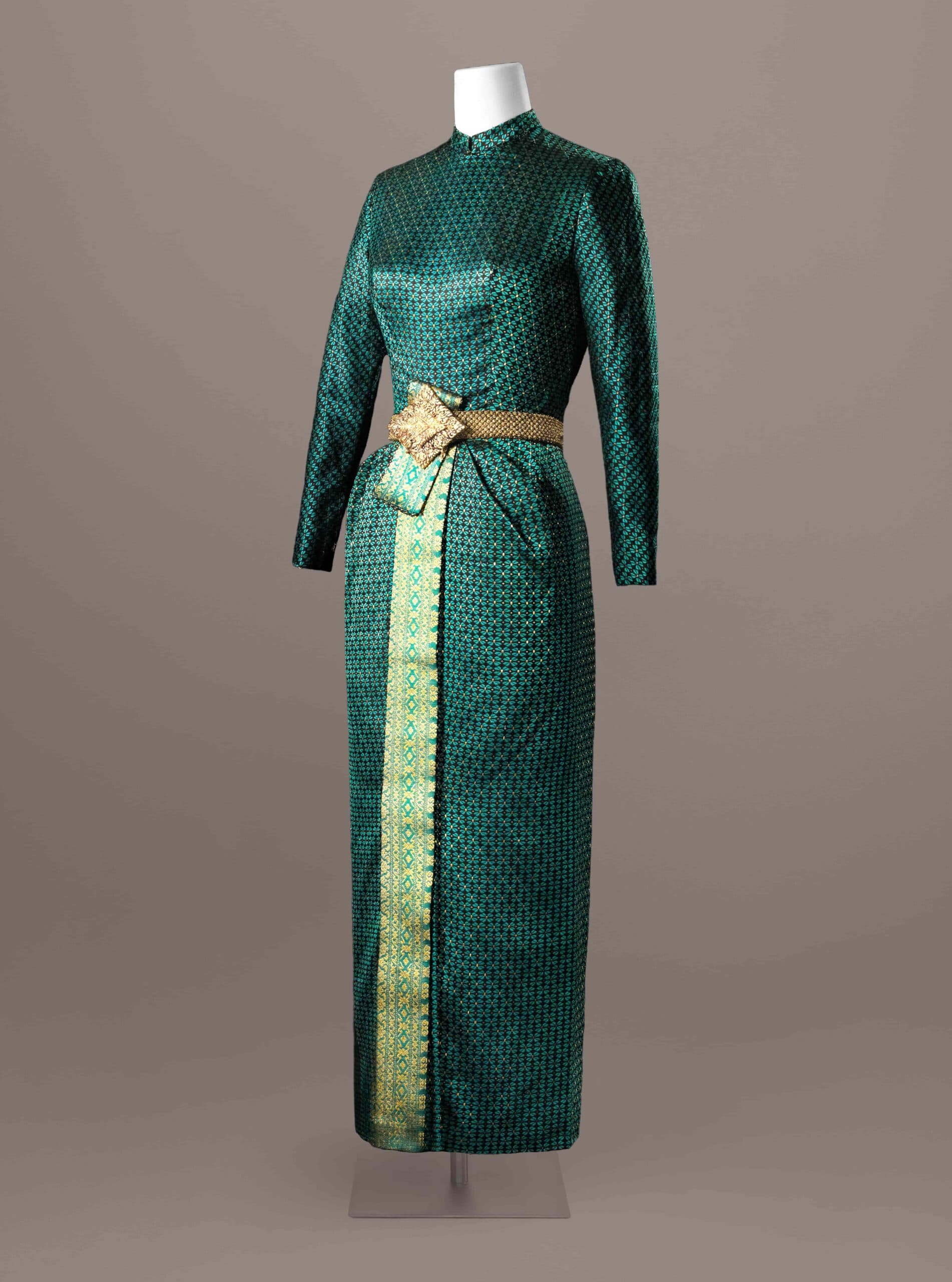
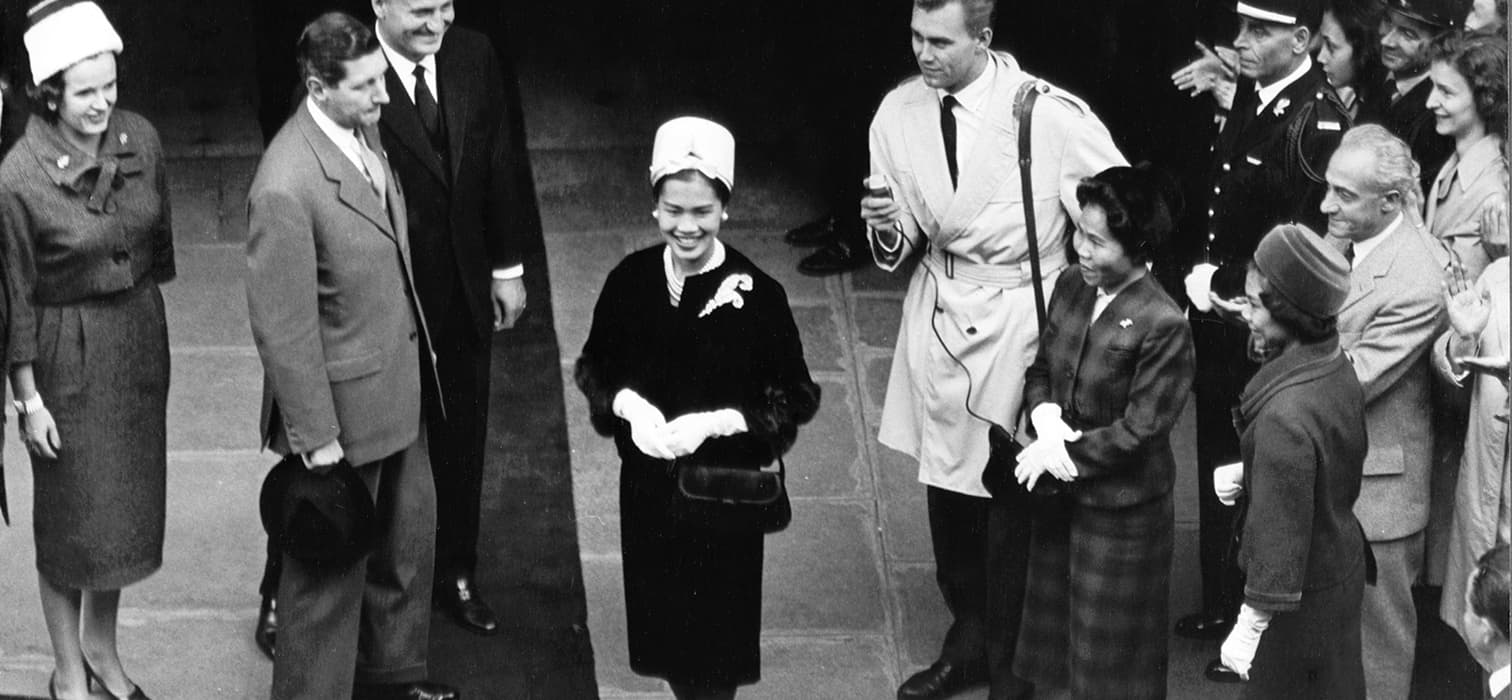
Queen Sirikit’s vision of style meets the world of Parisian haute couture in “La Mode en majesté,” now on view at the Musée des Arts Décoratifs in Paris.
The Musée des Arts Décoratifs in Paris is bringing Queen Sirikit’s diplomatic elegance and her longstanding ties with the French haute couture world into the spotlight through an archival exhibition.
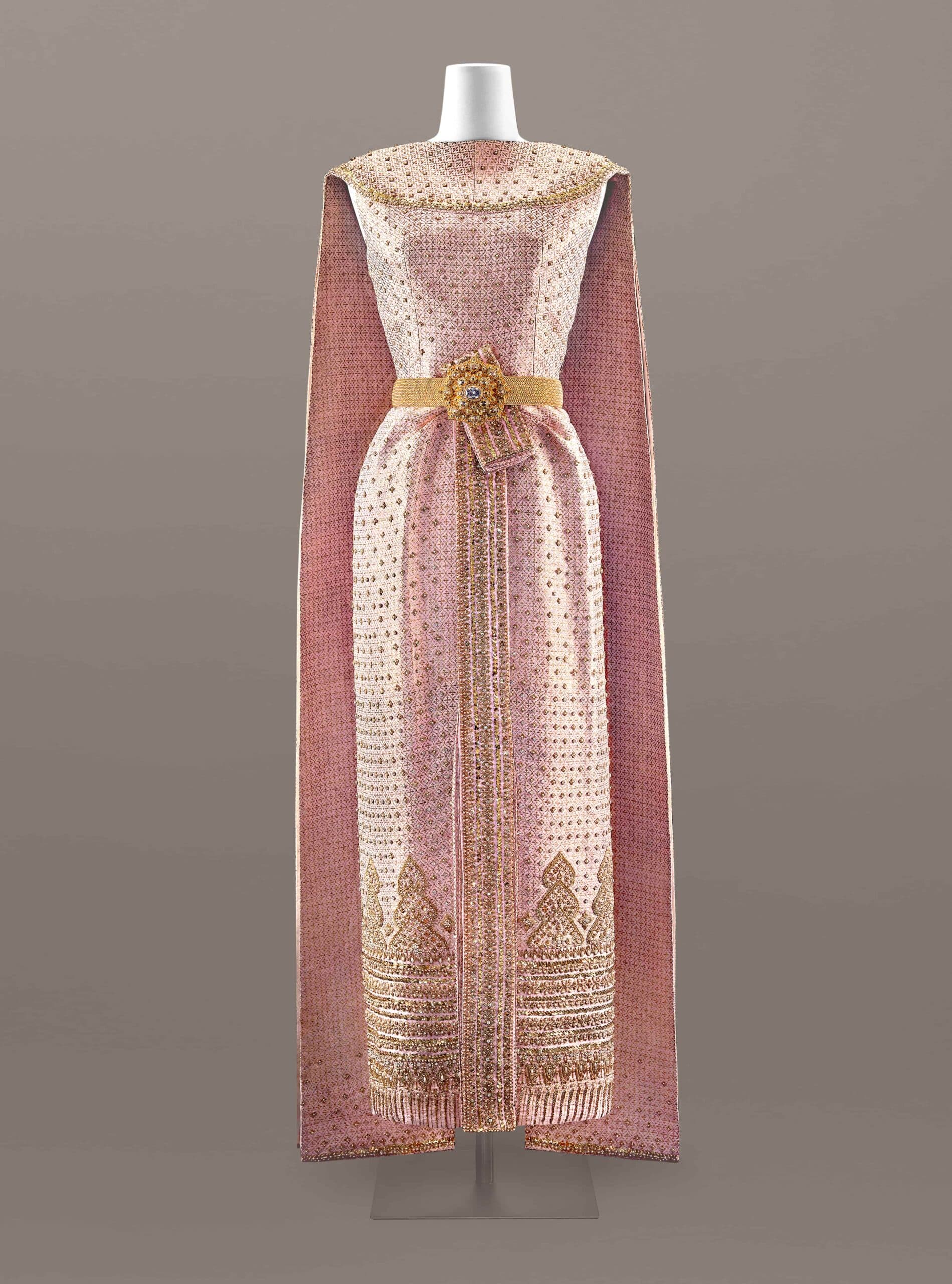
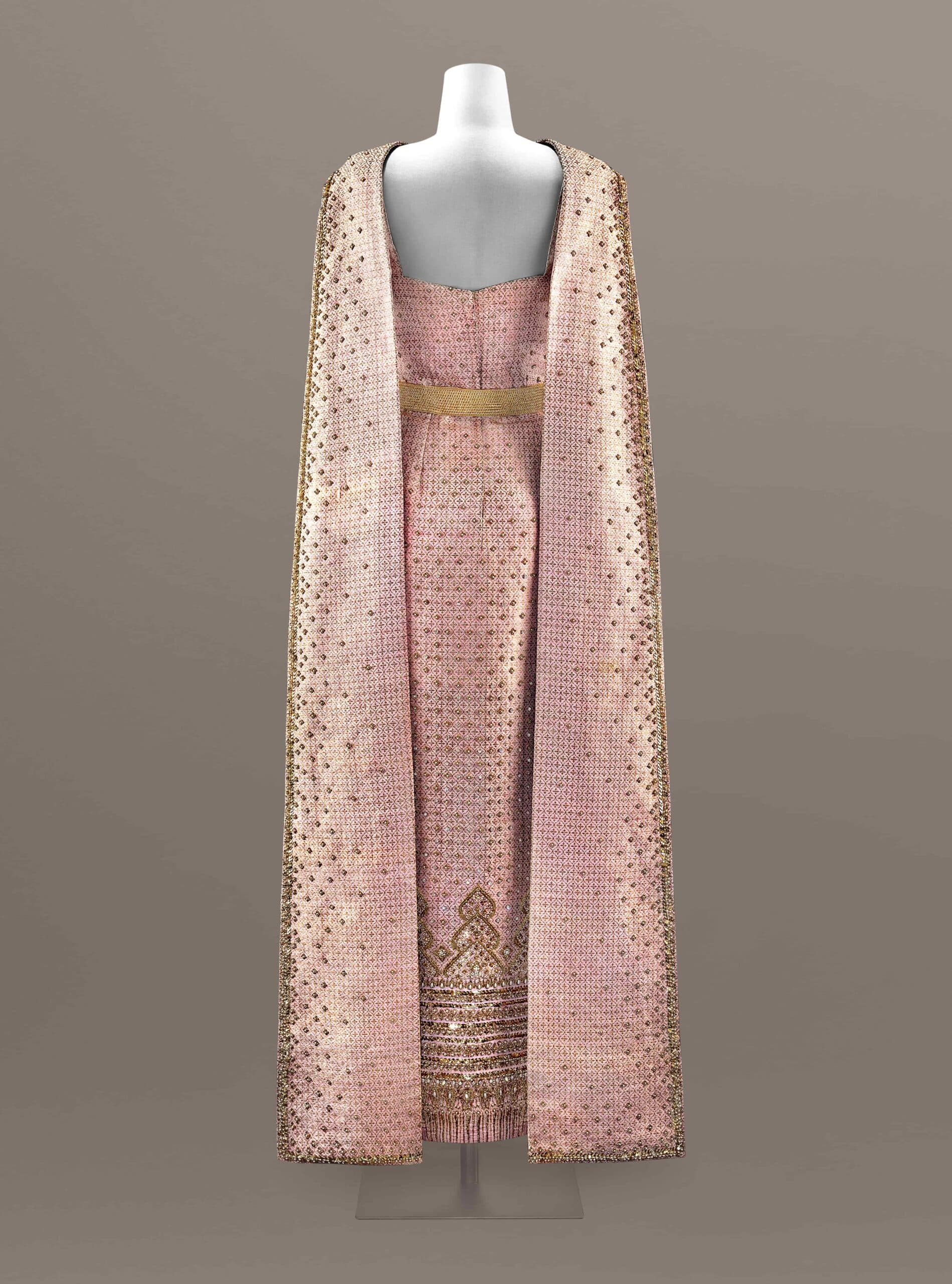
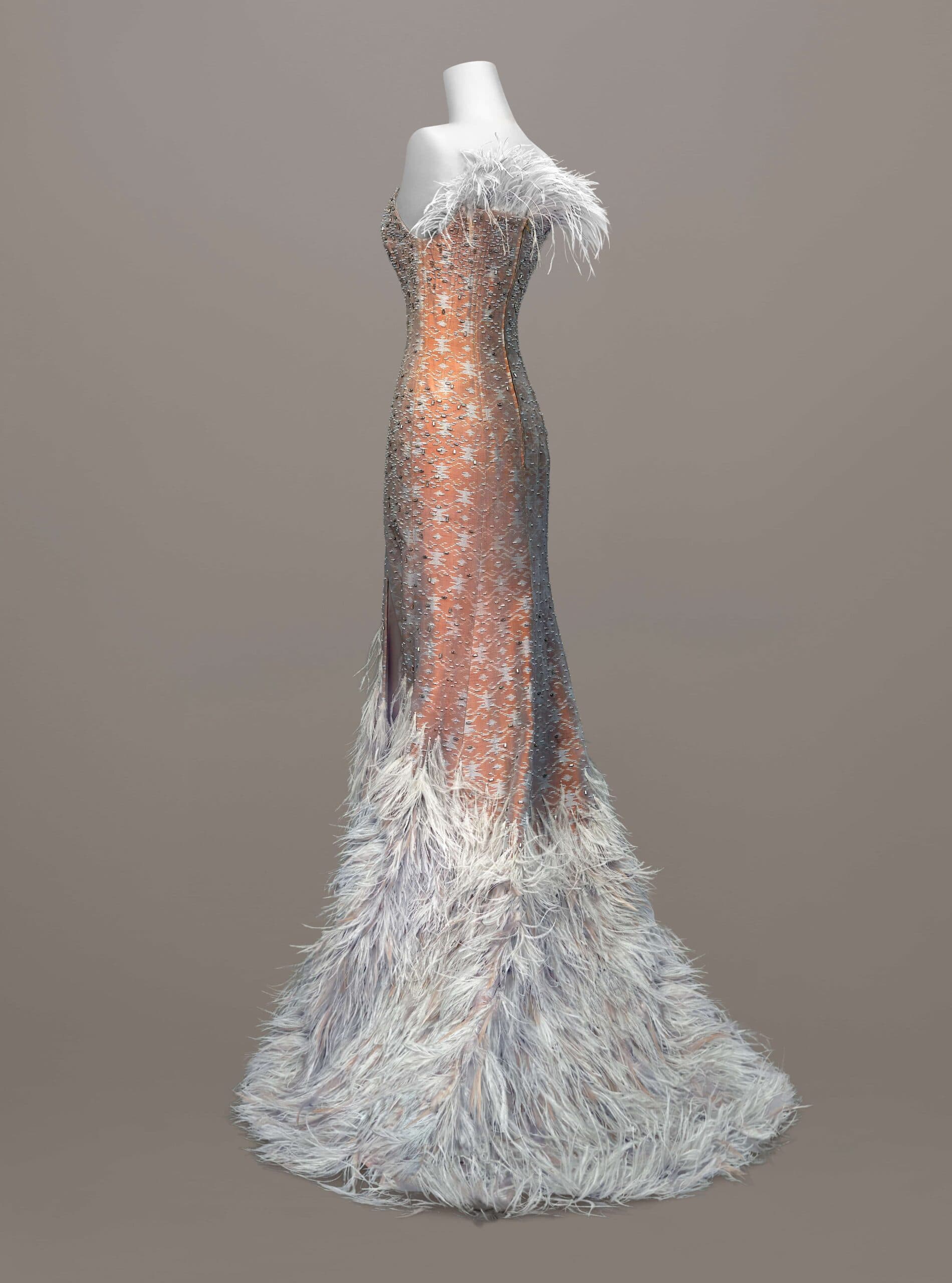
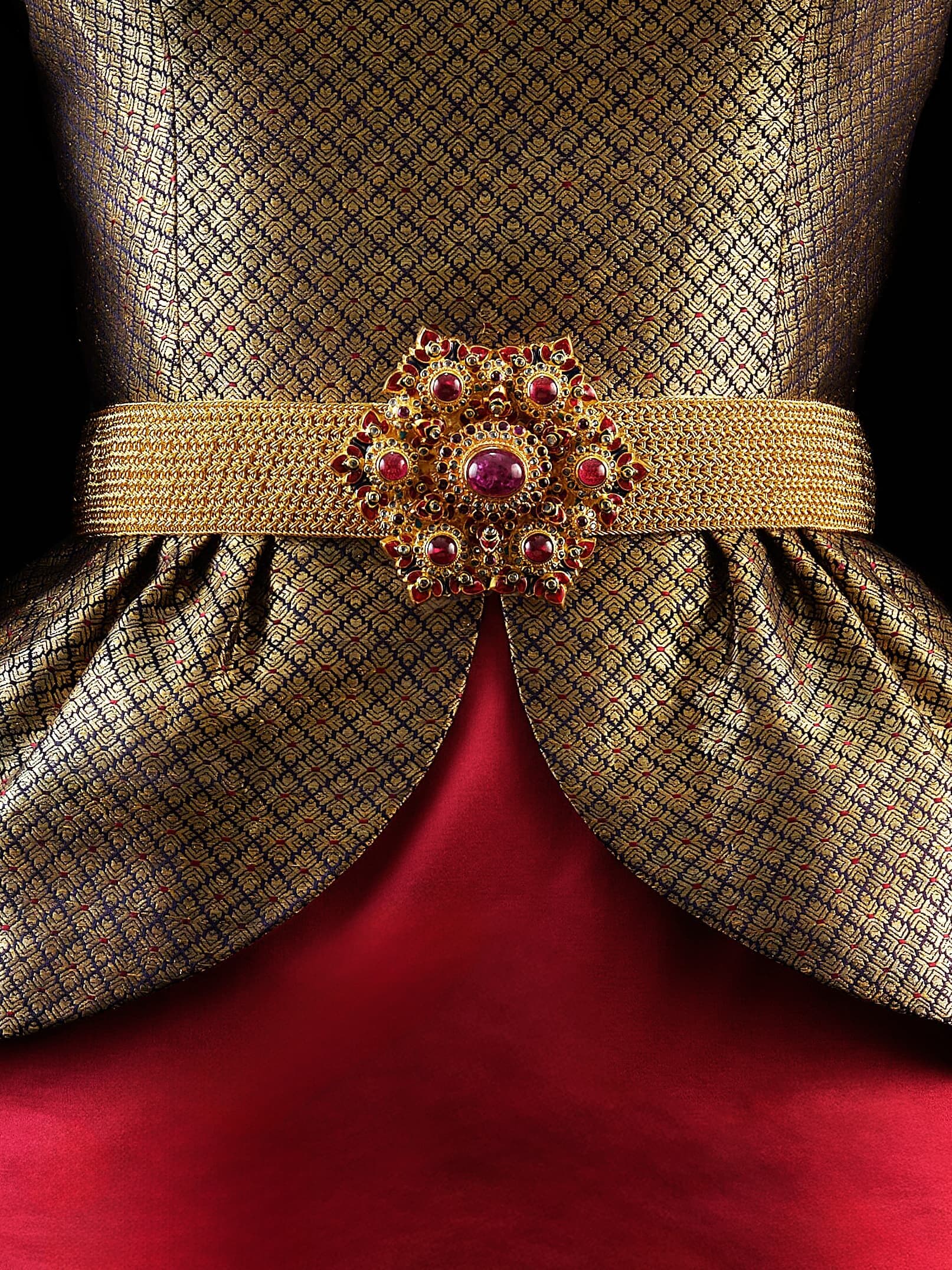
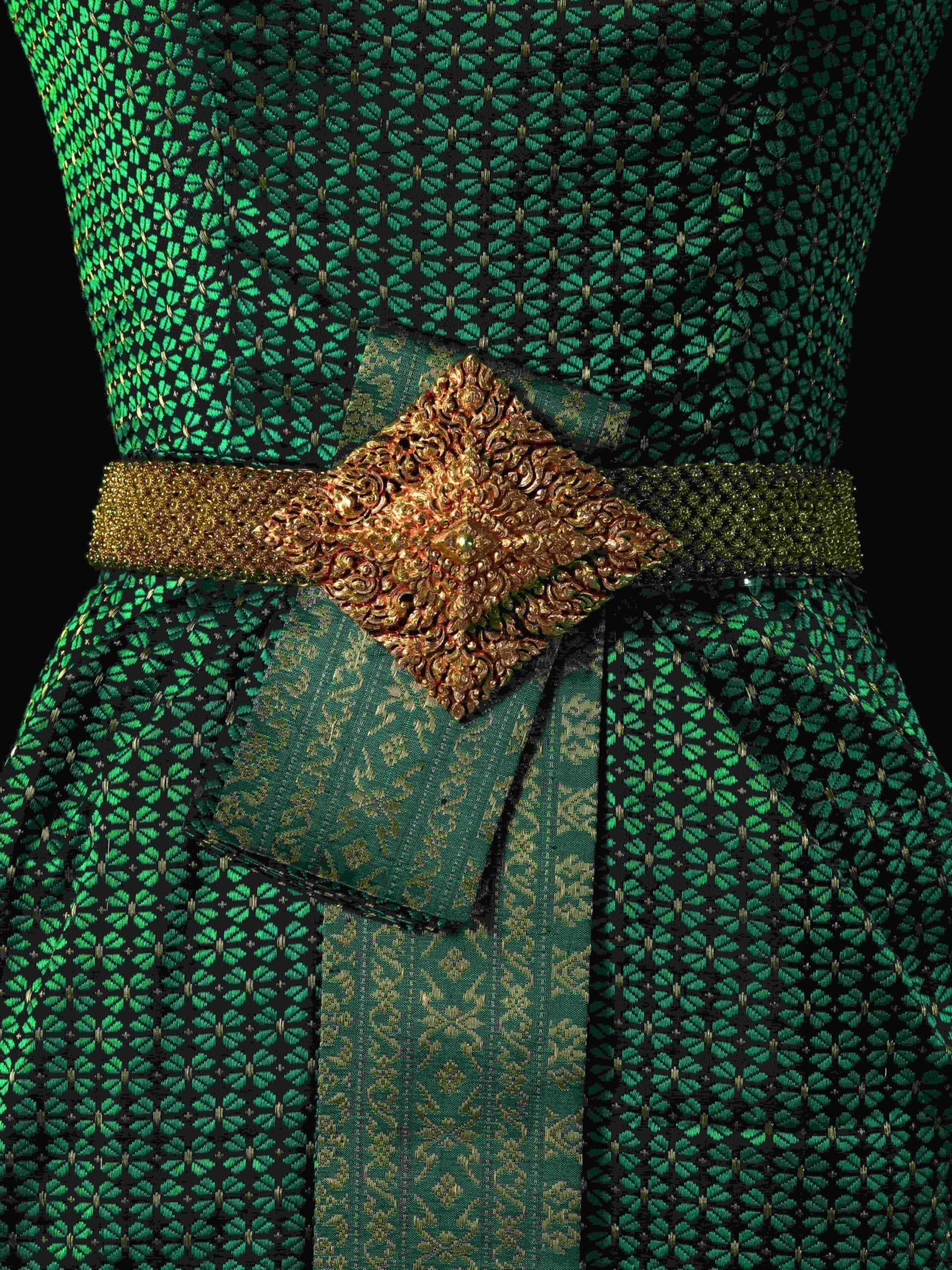
Centered on Queen Sirikit’s artistic dialogue with Pierre Balmain and Maison Lesage, spanning more than three decades, the exhibition presents a unique map of diplomatic elegance where traditional Thai textile craftsmanship meets the aesthetics of haute couture.
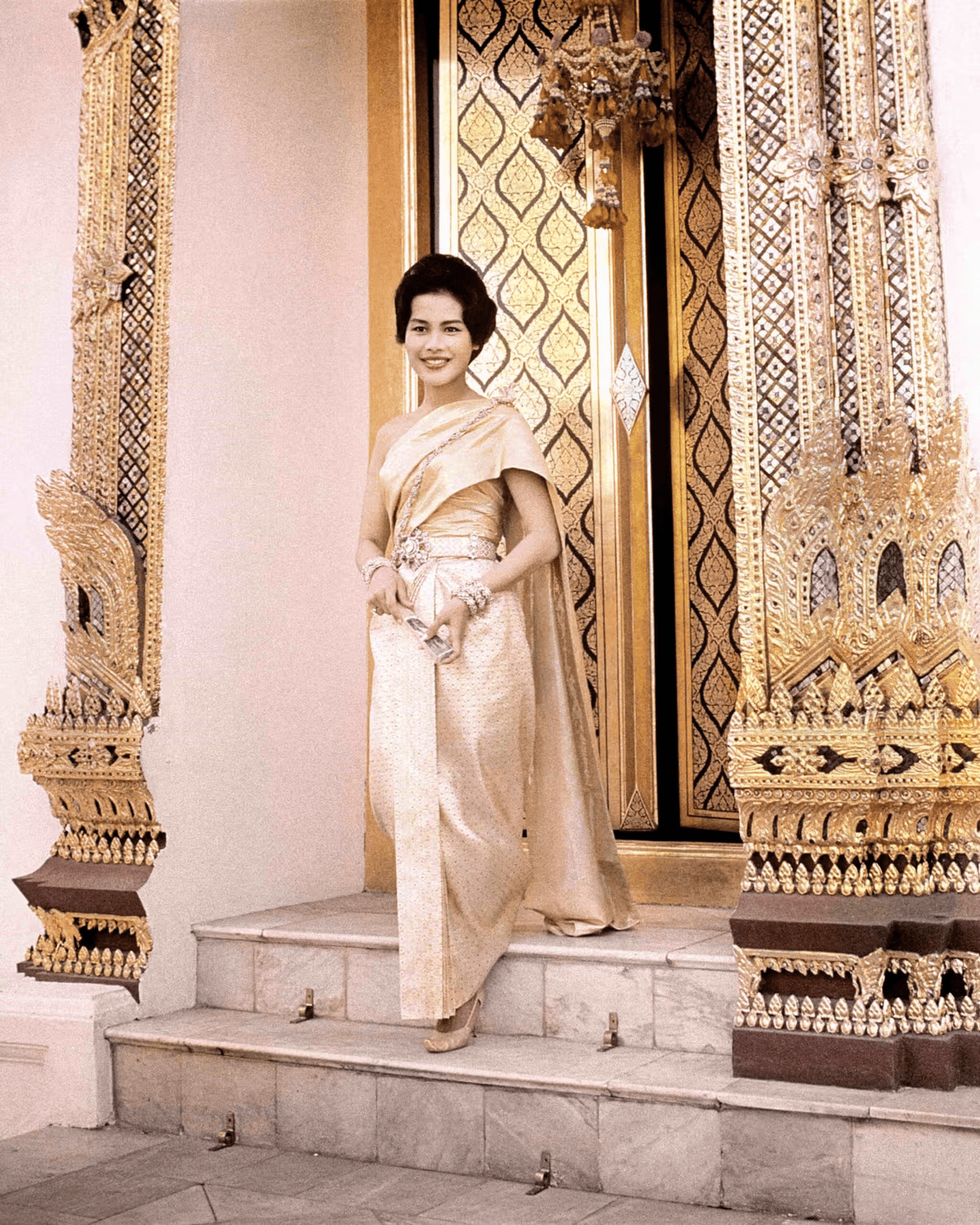
The Musée des Arts Décoratifs in Paris will host the exhibition until November 1: “La Mode en majesté. Haute couture et tradition à la cour de Thaïlande” (Haute Couture and Tradition at the Thai Royal Court). Organized as part of the 340th anniversary of the first diplomatic contact between France and Thailand and the 170th anniversary of the establishment of official relations, the exhibition sheds light on fashion history through pieces drawn from the royal collection.
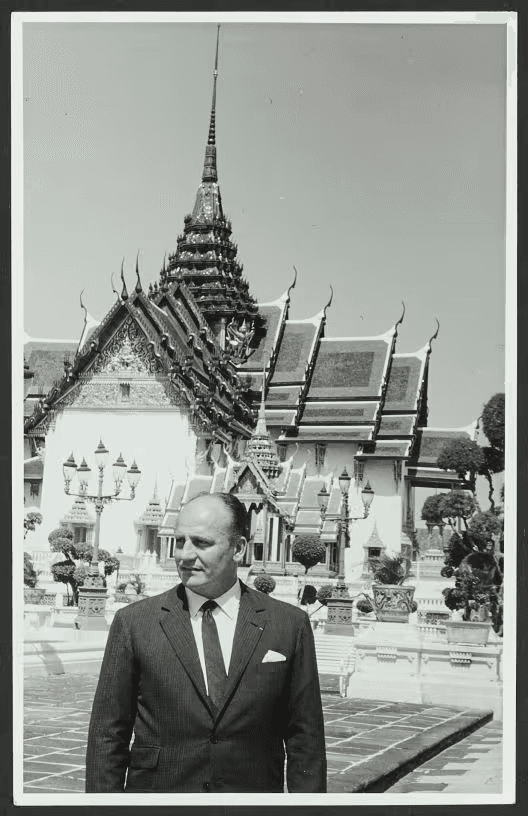
Visitors can discover more than one hundred historical garments, pieces of jewelry, and royal court accessories. Designed with both chronological and thematic narratives, the exhibition takes viewers on a journey from the archives of Bangkok’s Grand Palace to the ateliers of Parisian haute couture. Beyond documenting the formal evolution of dress, the exhibition also illustrates how the fashion cultures of the two countries have influenced one another.
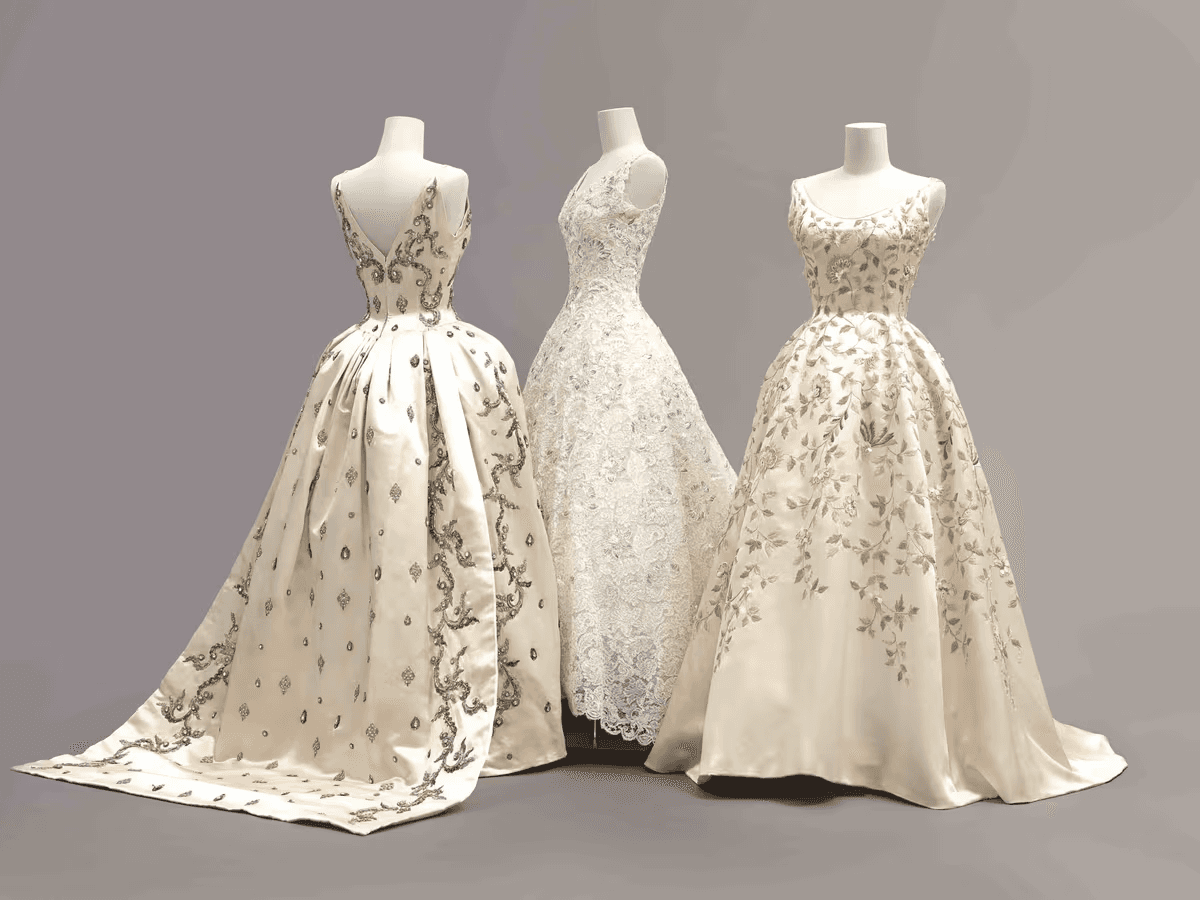
Queen Sirikit and the Rebirth of Traditional Forms
The modern adaptation of Thai royal dress culture was directly shaped by Queen Sirikit’s institutional and cultural initiatives. Beginning in the 1960s, Queen Sirikit sought to introduce the richness of her country’s fashion heritage to the international stage. To this end, she led a long-term research project involving historians, designers, and local artisans. Rather than directly replicating the past, the objective was to identify key identity codes from eighteenth- and nineteenth-century costumes and reinterpret them in contemporary forms.