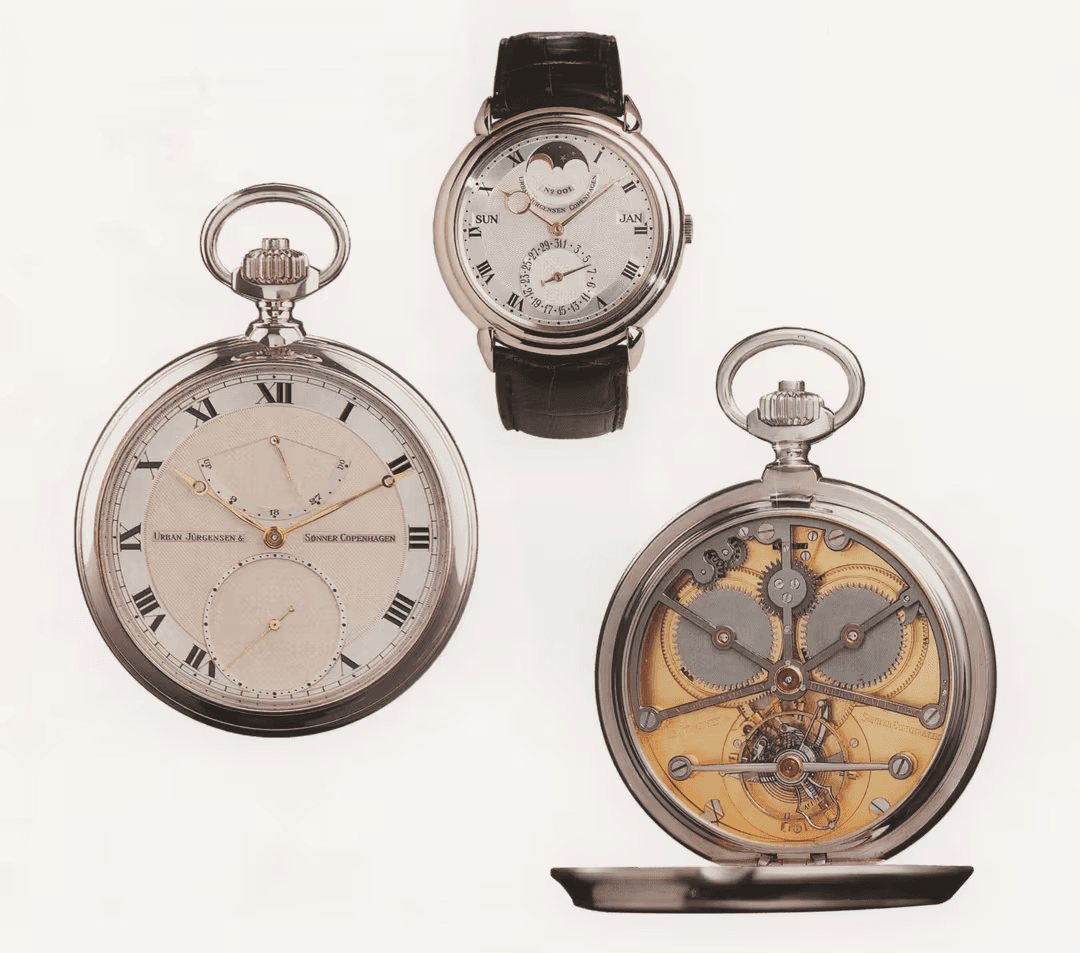
A watch dial does more than mark the passage of time, it can also whisper stories you may have never heard before. The dials of Urban Jürgensen watches carry one such story, stretching back three centuries.
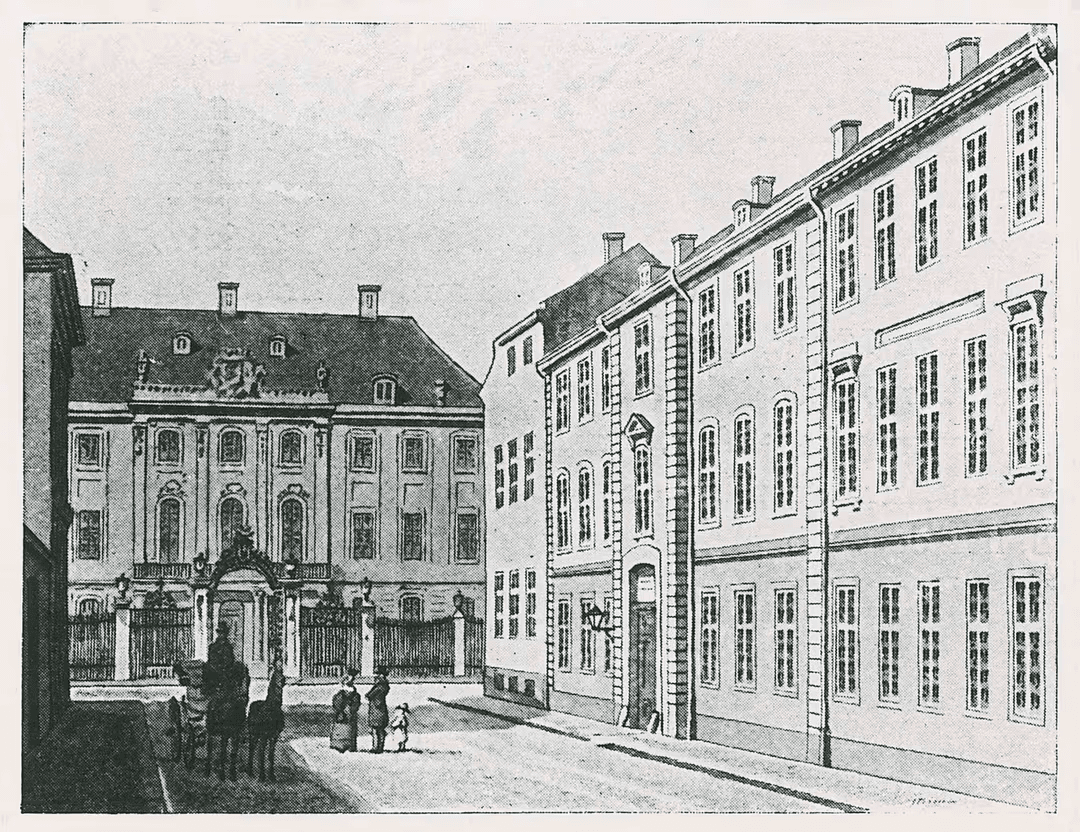
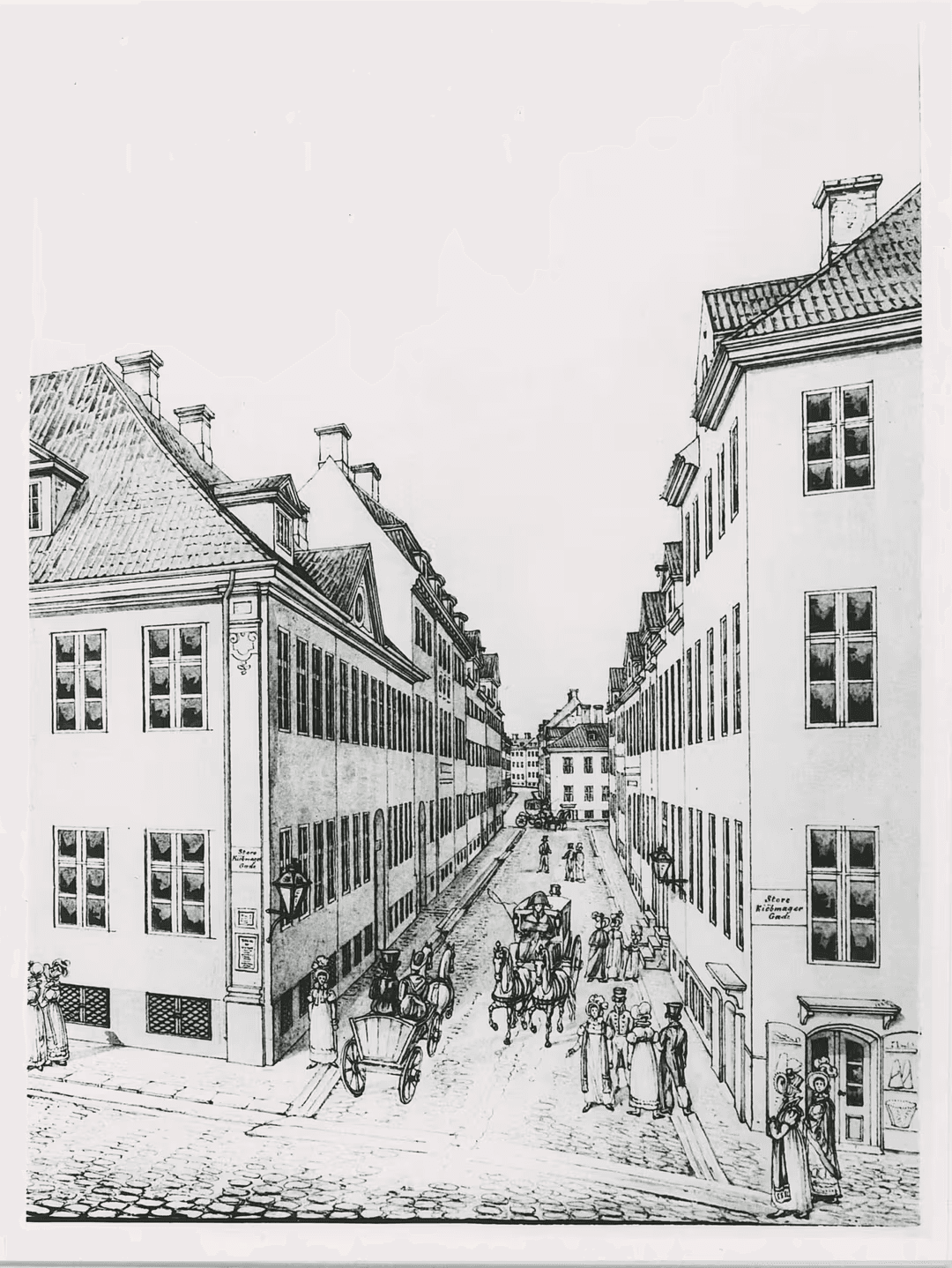
Although Switzerland is often regarded as the birthplace of modern watchmaking, timepieces frequently transport us to other lands and narratives. This one begins in the mid-18th century in Copenhagen. Born on 24 December 1745, into a servant family at the royal court, Jørgen Jørgensen would leave behind a name that resonates not only in Denmark, but across the world of horology. At just 14, he began his apprenticeship under the Copenhagen watchmakers Johan and Ephraim Lincke, taking his first step into the craft that would define his life.
At the time young Jørgen entered watchmaking, the guild system, familiar from history lessons, was also active in Denmark. Apprentices would travel abroad to learn their trade, gaining both professional skills and life experience. In 1766, Jørgen set off for Germany to study horology. He spent six years there mastering watchmaking techniques, becoming so immersed in the culture that he even Germanised the spelling of his name, adopting “Jürgen Jürgensen.”
And as in many great horological journeys, his path eventually led him to Switzerland.
Images: Courtesy of Urban Jürgensen
After his years in Germany, Jürgensen travelled to Le Locle, the famed Swiss watchmaking town, where he worked alongside one of the era’s leading masters, Jacques-Frédéric Houriet. There he deepened his craft further. Shortly after completing his masterwork in 1773, he began producing watches in partnership with Isaac Larpent. This collaboration marked the first step toward the legacy that would eventually become the house of Urban Jürgensen.
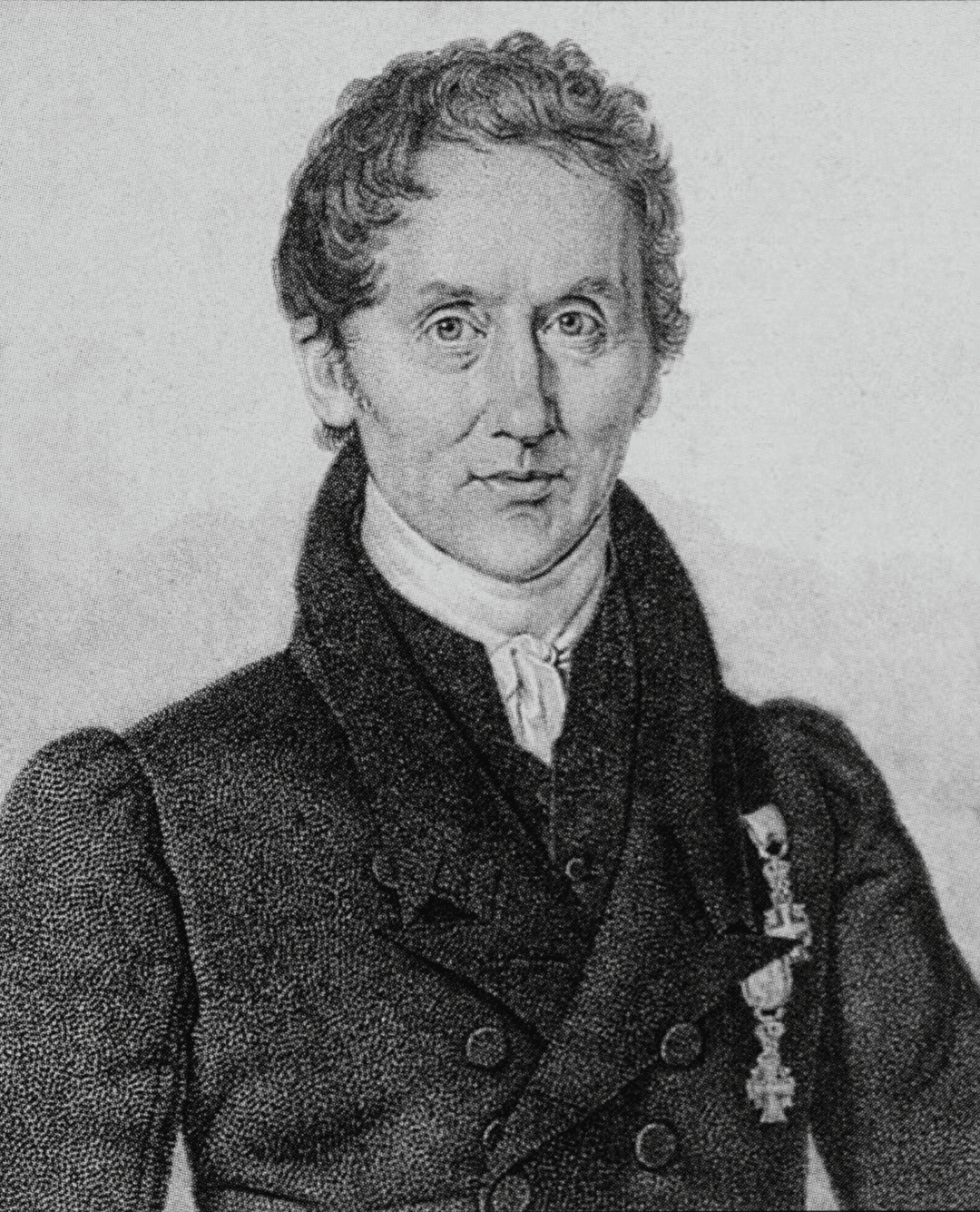
While the foundations of the brand were being laid by Jürgen Jürgensen, the child who would give it its name was born. On 5 August 1776, Urban Jürgensen came into the world as the first son of Jürgen and Anne. He spent his childhood and early youth in his father’s watchmaking workshop in Copenhagen, growing up surrounded by timepieces.
Naturally drawn to the craft, he set out at the age of 21, much like his father before him, to learn watchmaking across Europe. Beginning in 1797, his journey took him to Geneva, Paris, and London. In Paris, he worked in the ateliers of legendary masters such as Abraham-Louis Breguet and Ferdinand Berthoud, names now etched into horological history. In England, he met another giant of the field, John Arnold. Urban Jürgensen’s path crossed with some of the greatest watchmakers of his age, granting him a rare depth of experience.
By the time he returned to Copenhagen, he was no longer just a craftsman’s son, but a watchmaker shaped by Europe’s finest minds.
Urban Jürgensen
In 1801, back in his homeland, he began applying everything he had learned abroad. At the time, maritime navigation depended heavily on precise timekeeping, and competition in chronometer development was intense. Like Arnold & Son in England, producing marine chronometers for determining longitude at sea, Jürgensen advanced high-precision pocket watches and marine chronometers in Denmark.
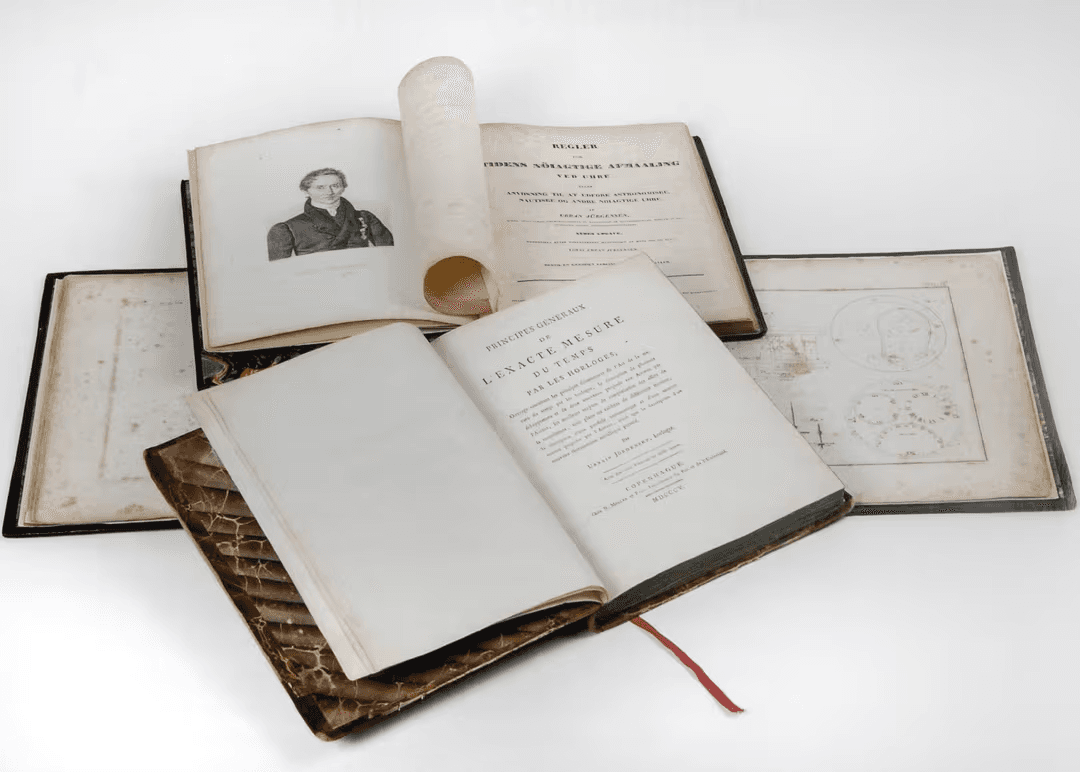
In 1804, he published Rules for the Precise Measurement of Time with Pocket Watches and Clocks, a work that would remain a key reference in horological literature for many years.
Jørgen Jürgensen, who had taken his first step from apprenticeship to master watchmaker, passed away in 1811. He left behind not only a career but a workshop that would be carried forward by his sons. Following his death, his younger son Fredrik took over the family business, allowing Urban to focus more deeply on his own work. Under Fredrik’s management, the company became the official watchmaker to the Danish Royal Family and state institutions.
On 8 December 1815, Urban Jürgensen was admitted to the Royal Danish Academy of Sciences and Letters, becoming one of the first artisans to enter the scientific establishment. In 1820, the family enterprise received official permission to produce chronometers and pocket watches for institutions such as the Danish Navy. It was also around this time that the name “Urban Jürgensen” was formally registered for the first time.
Time, however, moves swiftly for those who dedicate their lives to it. In 1830, at the age of just 53, Urban Jürgensen passed away. Contemporary accounts described him not only as a gifted watchmaker, but also as a remarkably humble and unconventional figure. After his death, his sons Louis Urban and Jules Frederik took over the company, renaming it Urban Jürgensen & Sons. The third generation continued the legacy successfully, exhibiting at major events such as the 1867 Paris Exposition, and later creating a gold-cased chronometer for Crown Prince Frederik Carl Christian of Denmark.
Yet as the 20th century approached, more difficult years began to emerge.
Changing Hands
Following the economic upheaval of World War I and shifting trends in watchmaking, the brand was acquired in 1919 by Henry Freund & Bros. of New York and Ed. Heuer & Co. of Switzerland. The new owners positioned Urban Jürgensen as a maker of elegant, finely crafted pocket watches favored by high society. In 1930, to mark the 100th anniversary of Urban Jürgensen’s death, an ultra-thin pocket watch was created. However, even refined craftsmanship could not prevent the challenges ahead.
Between 1930 and 1970, the brand changed ownership multiple times and struggled to achieve lasting commercial success. In 1974, following the death of its then-owner Morton Clayman, operations ceased. But this was not the end, only a pause. Like many forgotten horological stories preserved in archives and attics, Urban Jürgensen would eventually await rediscovery.
Revival
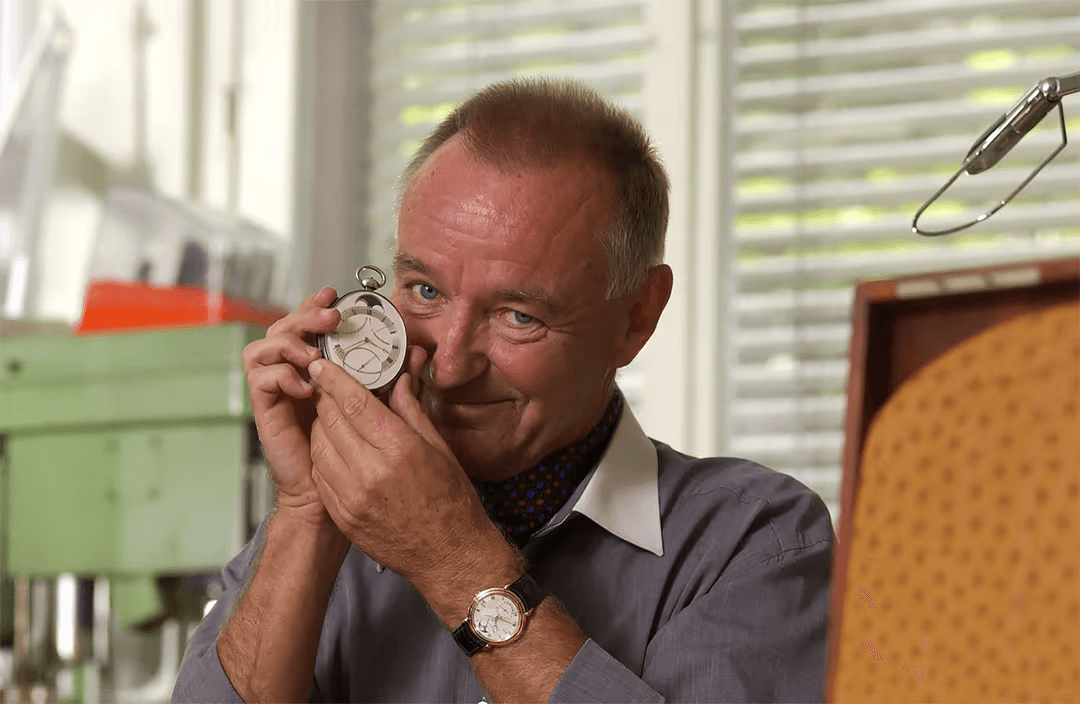
More than two centuries after Jørgen Jürgensen set out to learn his craft, the guild system would once again play a role in the brand’s revival. To mark the 200th anniversary of Urban Jürgensen’s birth, the Watchmakers’ Guild in Copenhagen redesigned the window of a small watch shop dedicated to his legacy. While visiting Copenhagen, Swiss collector and entrepreneur Peter Baumberger was deeply moved by what he saw. In 1979, he revived the historic name, at a time when the industry was still reeling from the Quartz Crisis. Whether driven by opportunity or a belief in mechanical horology itself, Baumberger succeeded in bringing Urban Jürgensen back to life.
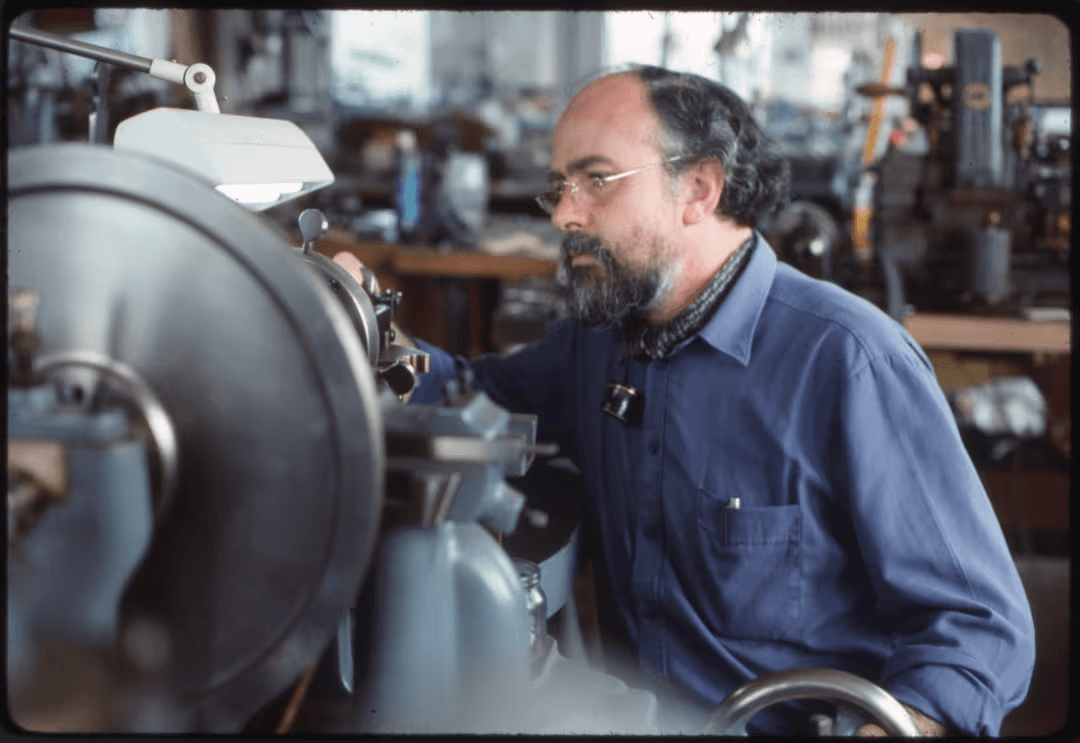
Derek Pratt
Peter Baumberger
A New Generation of Masters
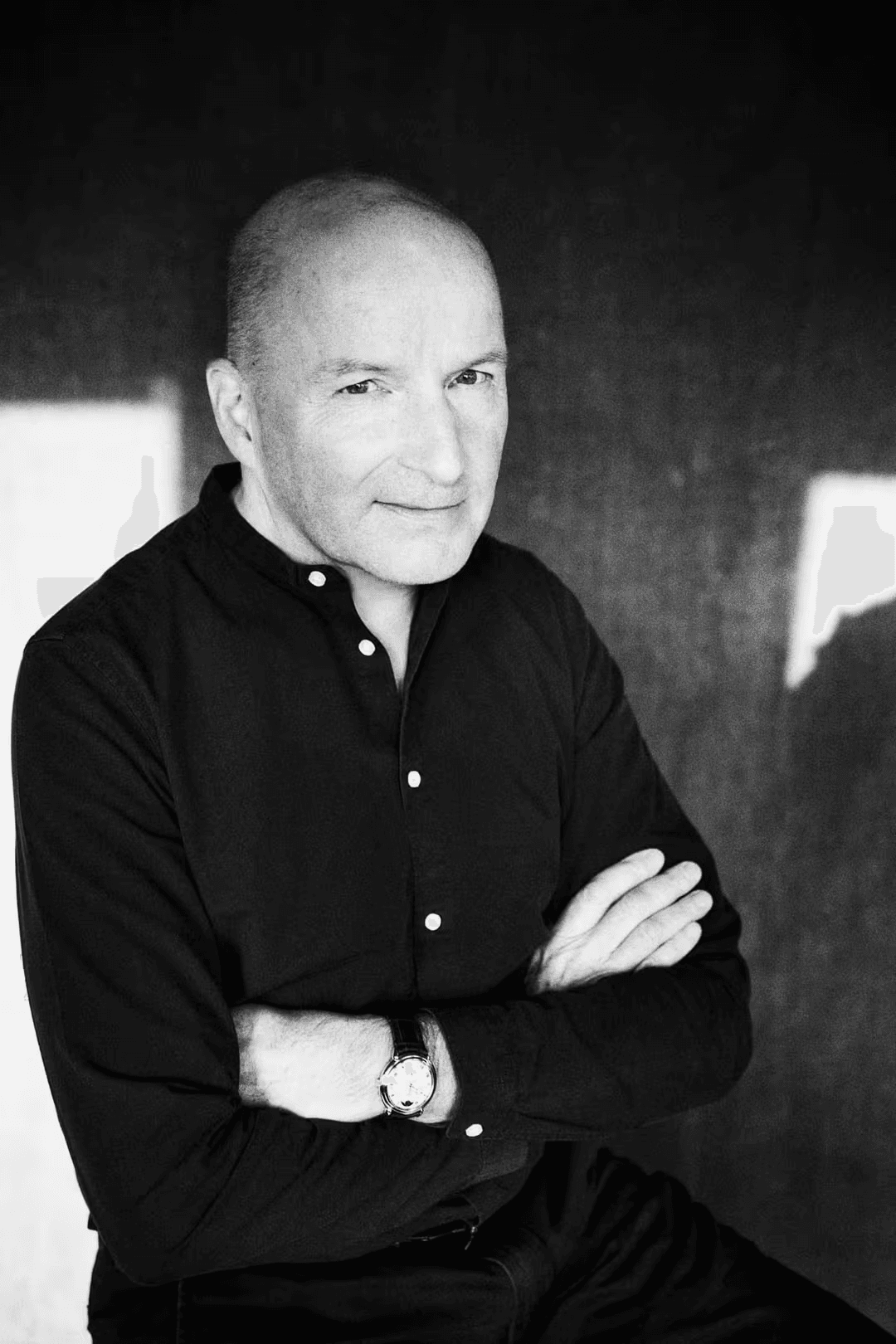
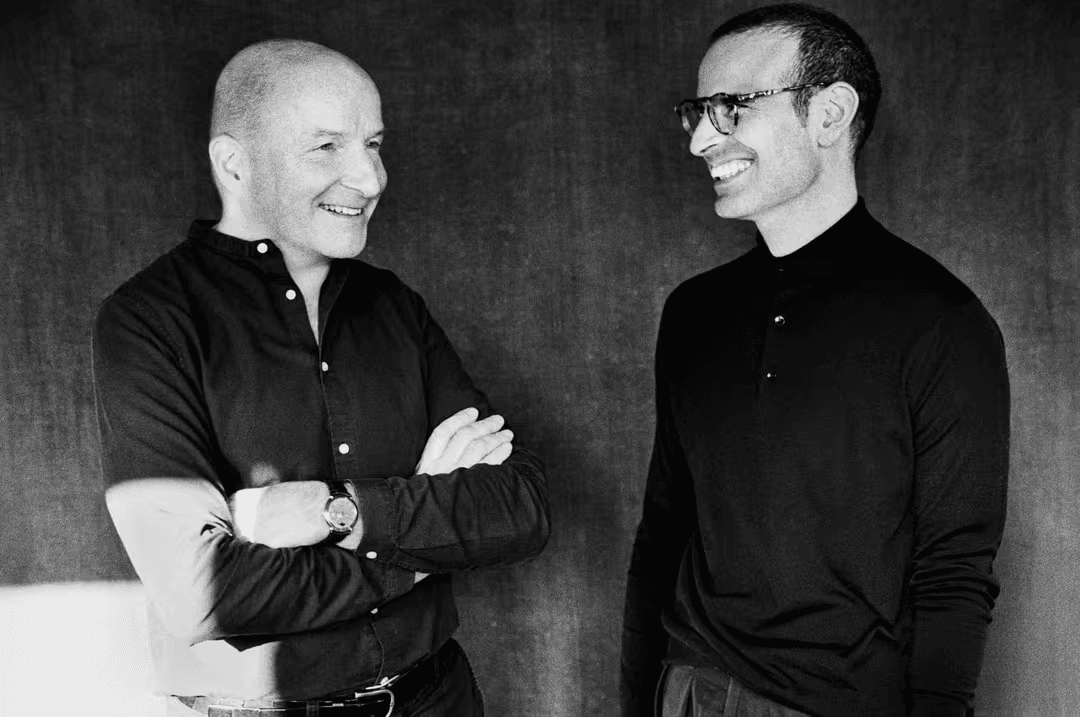
As a reminder of the brand’s earlier connections to masters such as Breguet and Arnold, history seemed to echo once again in its revival. Baumberger was soon joined by British watchmaker Derek Pratt, a close friend of Georges Daniels. Together, they created timepieces defined by timeless design, hand-finished guilloché dials, and elegant lugs, now hallmarks of the reborn house. In 1996, another major figure joined the project: Kari Voutilainen. The Finnish master quickly became an essential part of the team and continues today as a strategic advisor, contributing to the ongoing evolution of the brand.
Kari Voutilainen
From the son of a royal court servant to a name that shaped horology, the journey of Jørgen Jürgensen—and the legacy of Urban Jürgensen, forms an extraordinary chapter in watchmaking history. It is a story that passes through courts and wars, rises and falls through centuries, and ultimately finds its way back to life in a small Copenhagen watch shop. Today, the house of Urban Jürgensen continues its production under an American family, with Alex Rosenfield serving as CEO. Kari Voutilainen remains part of its creative and technical direction.
Kari Voutilainen and Alex Rosenfield
And if you look closely at the dial of an Urban Jürgensen watch, it may still whisper this story back to you.
Saatolog Yıllık Saat Dergisi Saatolog’un yeni sayısı, 2020’nin yarattığı bu dönüştürücü etkiden ilham alarak hazırlandı. Dünya dijitalin etkisiyle her zamankinden de hızlı bir şekilde ilerlerken yavaşlamanın da önemini sonunda kavramış bulunuyoruz ve bu tezatlık hayatlarımızın her anına etki ediyor. Biz de bundan yola çıkarak Saatolog 2020/21 sayısını ‘‘hızlı ve yavaş’’ teması altında hazırladık.