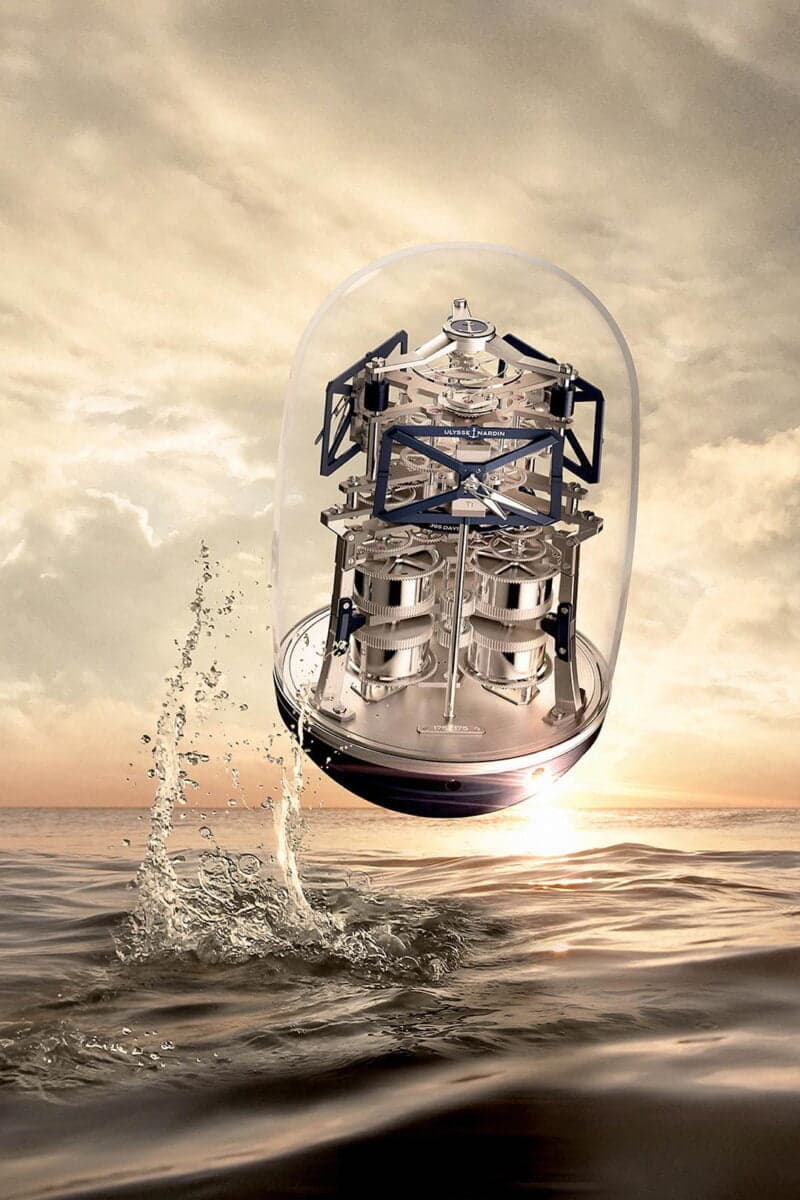

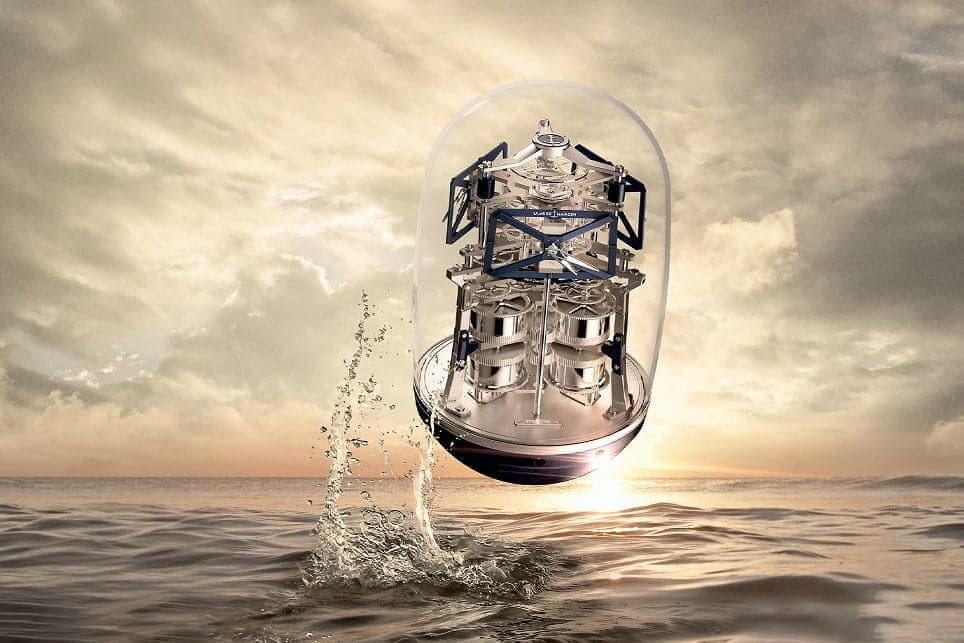
Ulysse Nardin builds a new bridge between watchmaking and imagination by inventing an unexpected marine chronometer named UFO, to celebrate its 175th anniversary.
Determining the longitude correctly was one of the most important issues in history of humanity. Many ships sank that had difficulty in determining direction due to longitude problem sank and many sailors lost their lives. Determining longitude caused competition among nations, kings, mathematicians, and astronomers for many years. The first person to solve the problem of calculating longitude was John Harrison, an English mechanic craftsman. After him, many people tried to improve the longitude and time measurement with new discoveries. However, one was different from the others: Ulysse Nardin.
Ulysse Nardin is a brand with a respected name and a great heritage from the past, famous for its marine watches and marine chronometers since 1846. It was known for its grand awards received in competitions of the Geneva and Neuchâtel observatories. When visionary Rolf Schnyder accidence, greater successes were achieved: In 2001, Ulysse Nardin was the first brand that used silicon and synthetic diamond as materials. The Freak (received the Chronos Technical Innovation Award in 2002 with the Dual Direct Escapement system used for the first time), Moonstruck, Trilogy of Time (this three-watch set with Astrolabium Galileo Galilei, Planetarium and Tellurium) also made its way into the Guinness World Records.
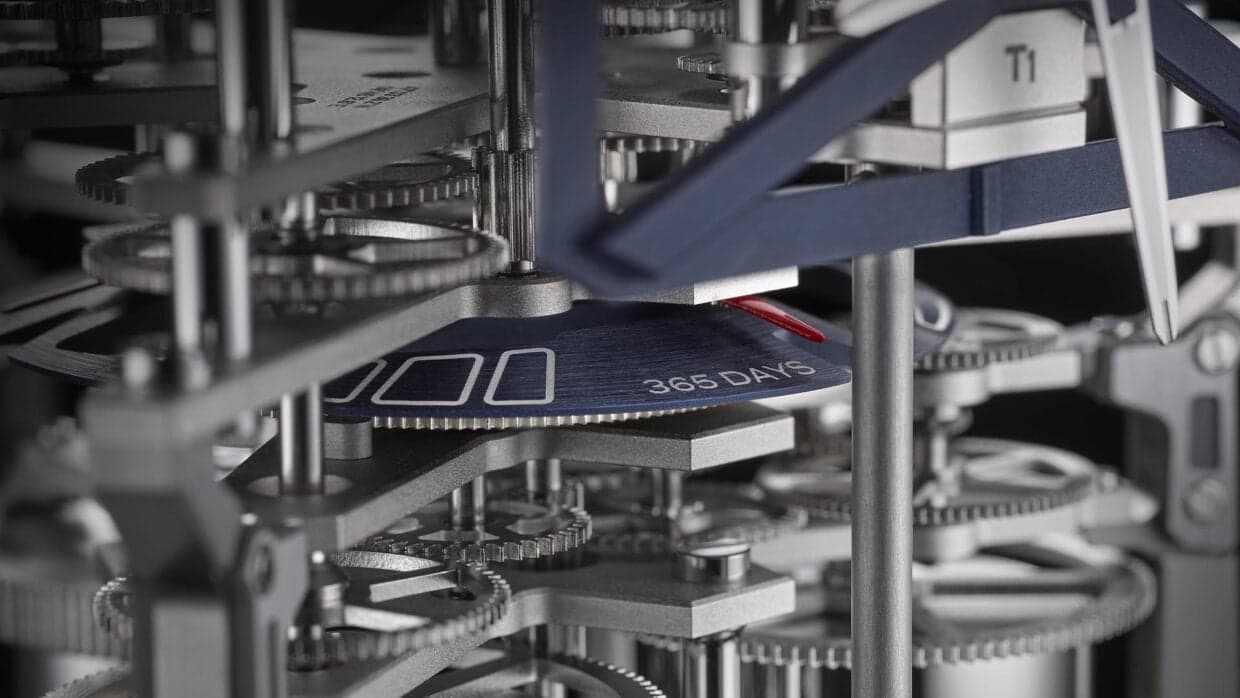
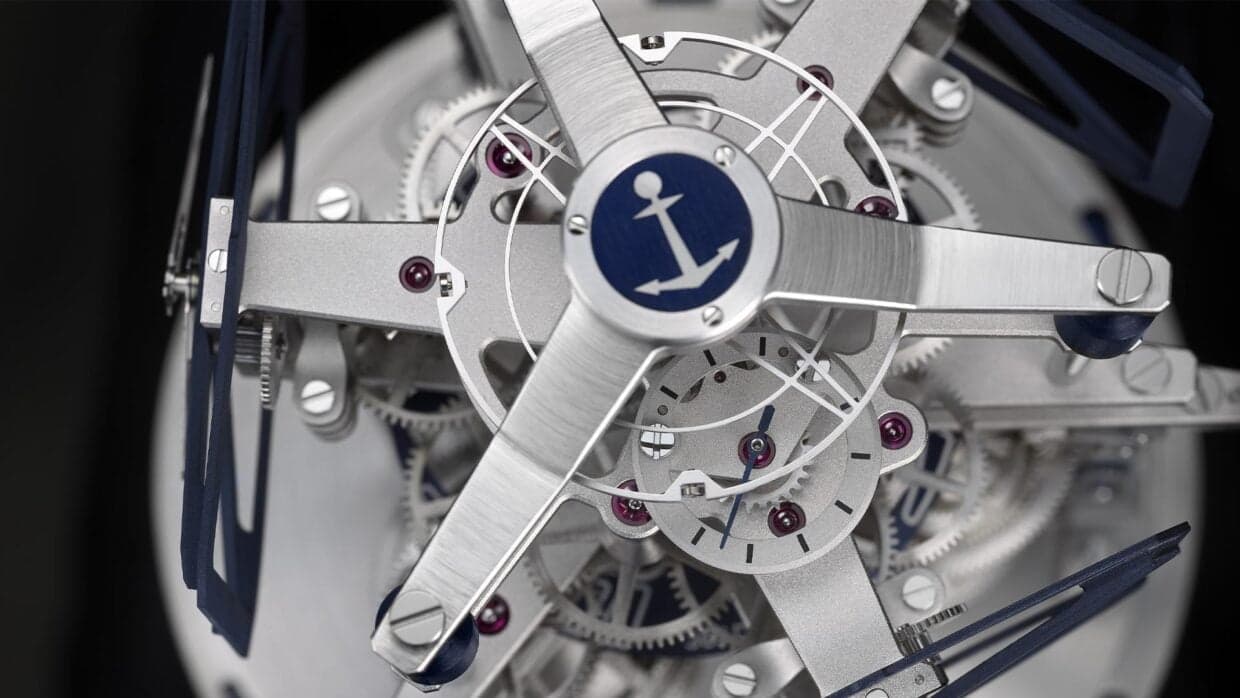
Once again, Ulysse Nardin brings together past, present and future by inventing a marine chronometer that called as UFO, which makes time travel between the ages. UFO contains all Ulysse Nardin’s horological history in one single object, from the marine chronometers of the 19th and 20th centuries to the Freak in 2001, to the Blast in 2020.
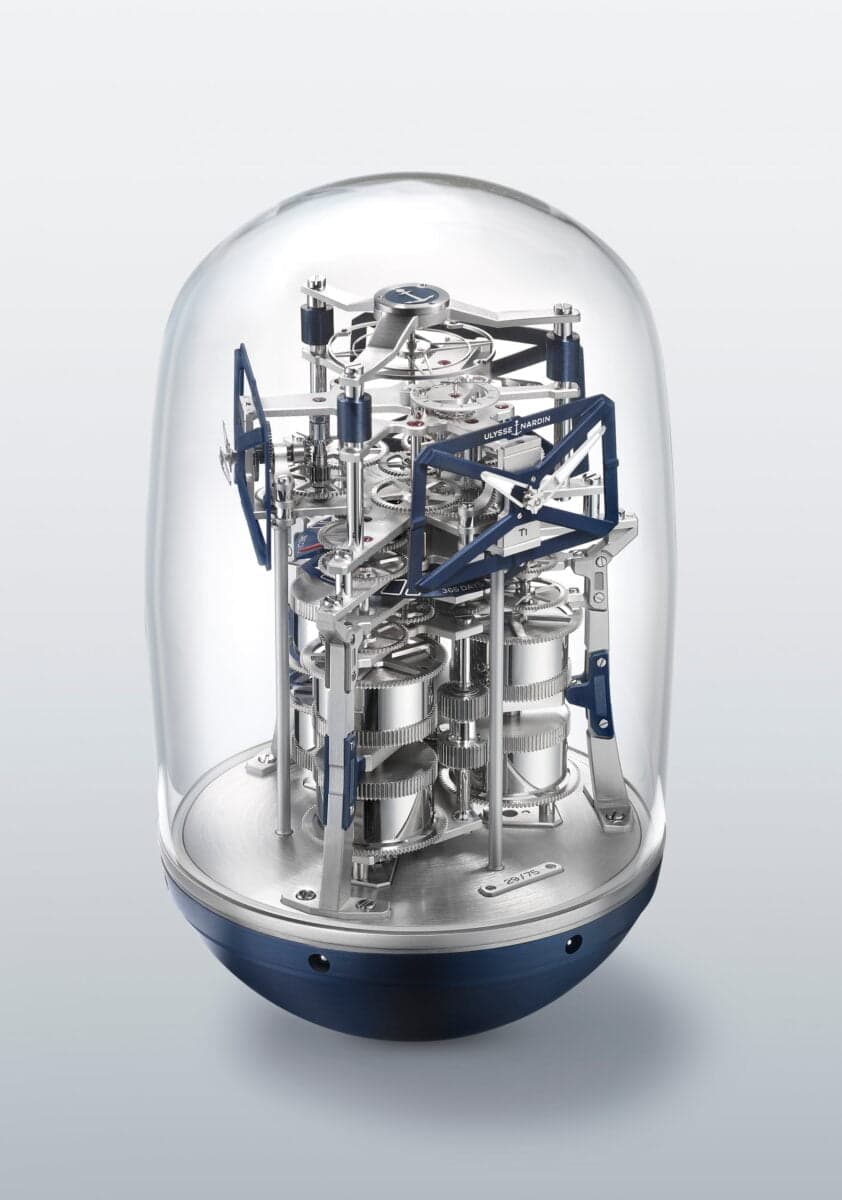
Besides being a clock, the UFO is a three-dimensional mechanical painting that imitates the movement of waves. “Reissuing a watch from the past by reusing vintage codes was not part of our creative intentions for this anniversary object. On the contrary, we wanted to reverse the trend and make a leap forward of 175 years, rather than a leap backward. We always look ahead. We wondered what a marine chronometer designed in 2196 would be like,” explains , of .