Omega’s long history of timekeeping at the Olympic Winter Games…
On 4 February 1932 in Lake Placid, the American speed skater Jack Shea stood on an elevated wooden structure as he took the athletes’ oath during the Opening Ceremony of the Olympic Winter Games. This is the first time that an athlete receives a medal on the step of a rudimentary podium. Although there is common belief that the origins of these podiums lie at Ancient Greece, its origins lie at the Olympic Winter Games 1932. Furthermore, the same year Omega also was included in the game as the official timekeeper of the Olympic Games.
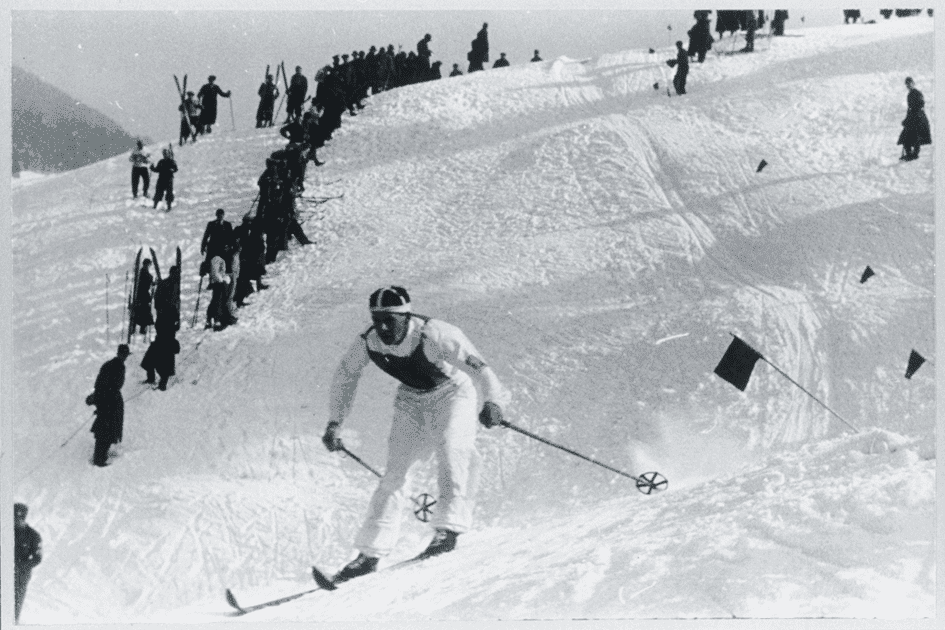
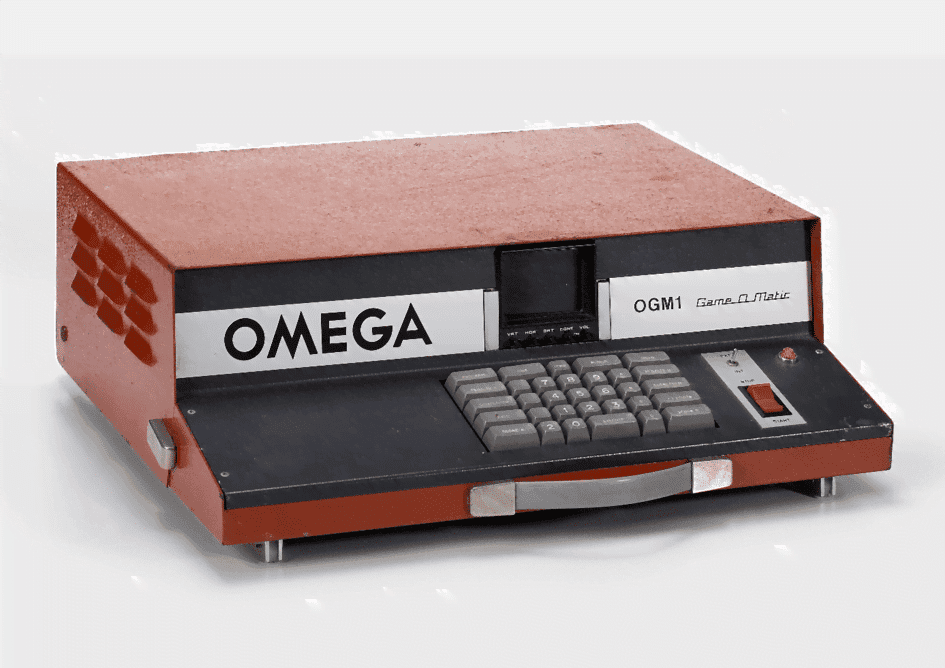
On the one hand, the brand became the official Winter Olympics timekeeper for the first time at the Olympic Winter Games 1936 in Germany. The time of the whole games were kept by a single watchmaker and 27 chronographs. The brand’s story with the Olympic Winter Games continued by digitalization, and the photoelectric cell technology watch used at the finish line of the games for first time in 1948. In the same year, photo finish camera was introduced at the Olympic Summer Games. This was the first step into a new and electronic era in timekeeping.

Not long before, Omega opened another door for the Olympic Games: in 1965, the brand first time introduced starting gates in alpine skiing in Cortina d’Ampezzo. The gates signalled the beginning of each run. As soon as the athletes passed through, the OMEGA Quartz Recorder was triggered.

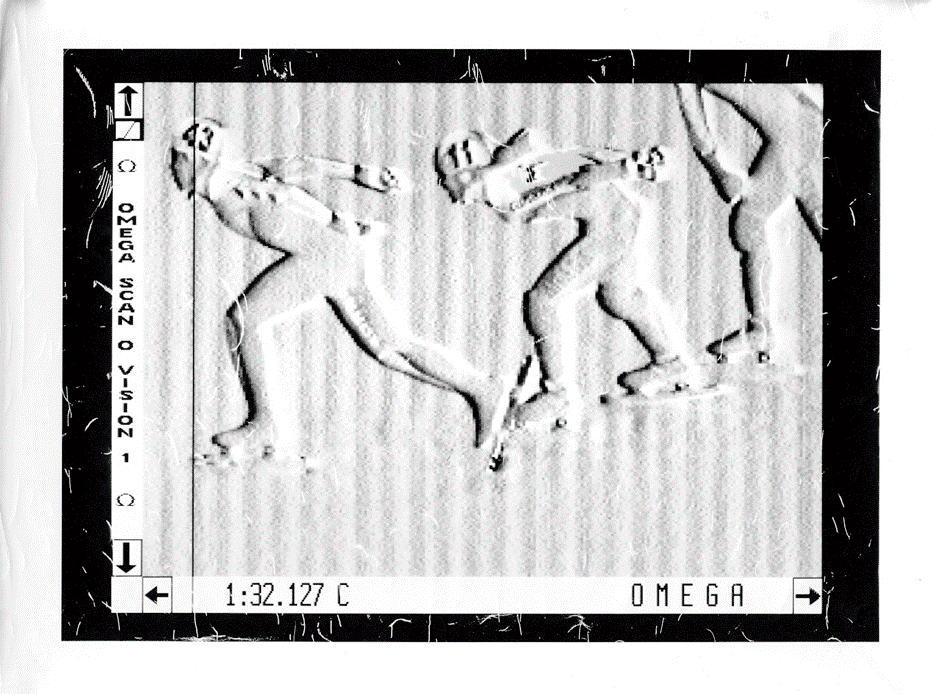
And television screens… 1964 was the first year that OMEGA was able to superimpose the times of Olympic Games performances onto the bottom of television screens. This was all thanks to a new piece of technology known as the Omegascope. Thus, the concept of “real-time” sports reporting had arrived in Innsbruck.
By 1968, information and statics about the games began to supply the press, media, television channels, judges and the general public. With “Integrated Time Measurement” system, detail information about the games could be supplied to the press in Grenoble. Furthermore, the updated Omegascope could also now superimpose complete competition details onto TV screens, including athlete names, live times, final times, intermediate times and speeds. Perhaps this decade signaled a critical period in the history of the Olympic Games, because excitement of the games began to move from stadiums to television screens.