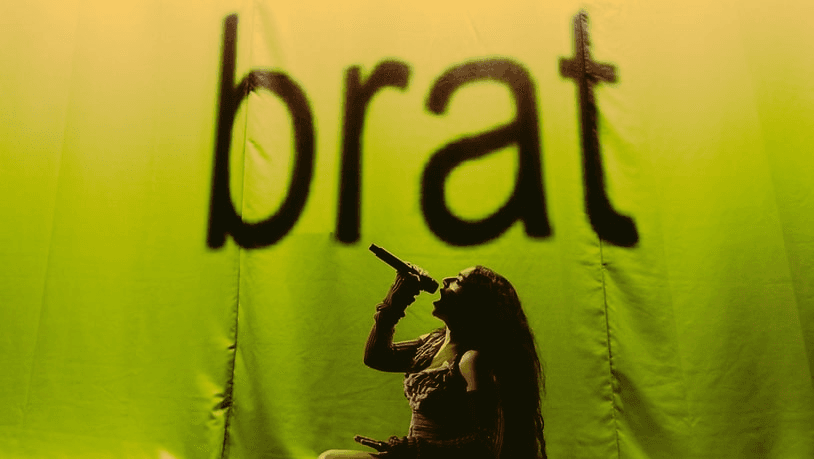

The words of the past year were brain rot globally and crowded loneliness in Turkey. What do these words symbolize?
Language is influenced by the social, technological, and ideological frameworks of its time, and it is also a vital cultural marker. Therefore, studying language offers key insights into not only the language itself but also the society and period in which it is used. From literature to everyday speech, all forms of language reflect the character of an era.
Looking back, we can see how words change. Consider the late 1960s, which brings to mind the unifying power of music, peace, and love. If the word of the year had been chosen then, it might have been terms like “beat generation,” “flower children,” or “hippie.” Turning to Turkey’s past, in the 1980s, it might have been “arabesque,” “disco,” or “martial law.” By the 1990s in Turkey, terms like “banker” or “mark” could have dominated.
As technology continues to evolve at lightning speed, so too does language. Linguist Noam Chomsky has said that, despite the limitations of language, we can create and understand an endless variety of words. Today, social media, which plays a major role in our daily lives, is reshaping language at a rapid pace.
English Word of the Year: “Brain Rot”
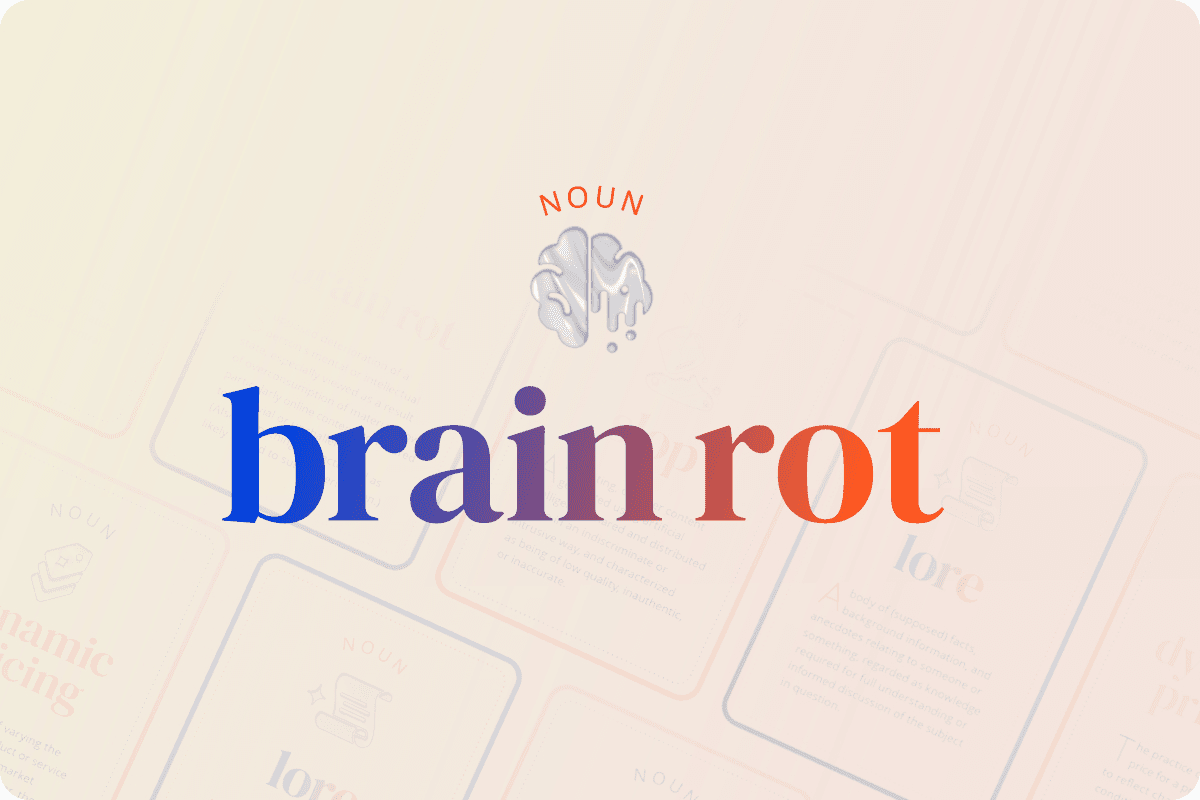
Each year, Oxford University announces the most widely used and popular words. This year’s word is “brain rot.” Why do linguists believe our brains are rotting?
Many of us spend hours scrolling on our phones before going to sleep, watching strange make-up tutorials, unsettling videos that may or may not be created by artificial intelligence, or relatives performing odd dances. We consume all of this content quickly, racing through seconds, discarding what doesn’t interest us, and jumping to the next thing.

While we laugh and enjoy ourselves, constant distractions are taking a toll on our minds. When we’re repeatedly exposed to new information, we feel our ability to think deeply and analyze weakening. This constant need for stimulation is what we call “brain decay.” Interestingly, we’re very aware of this shift. Casper Grathwohl from Oxford Languages notes that Generation Z and Generation Alpha have significantly shaped the reflection of this word in our culture. He it as “arrogant self-awareness,” where these generations are largely responsible for coining the term “brain rot.”