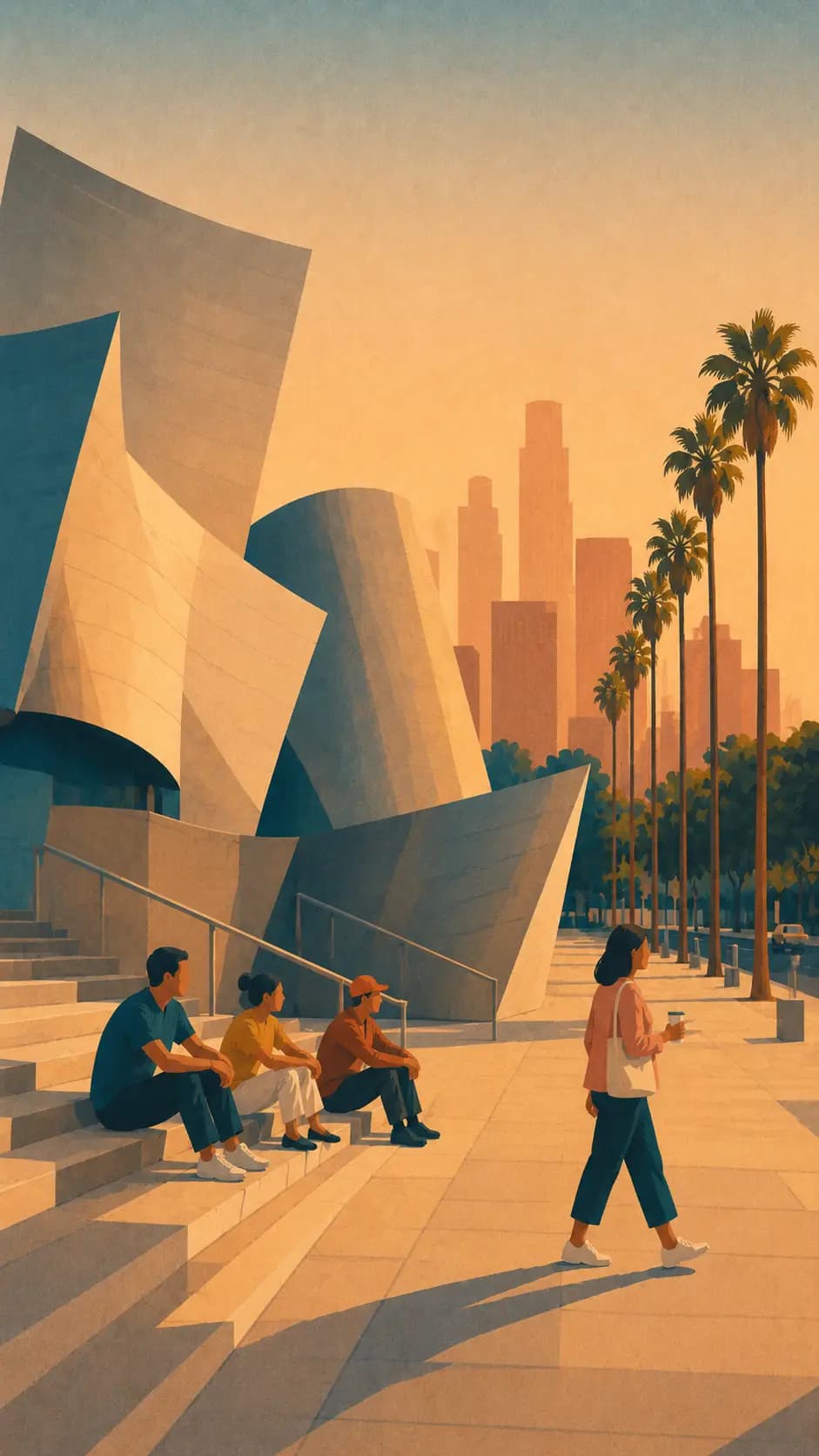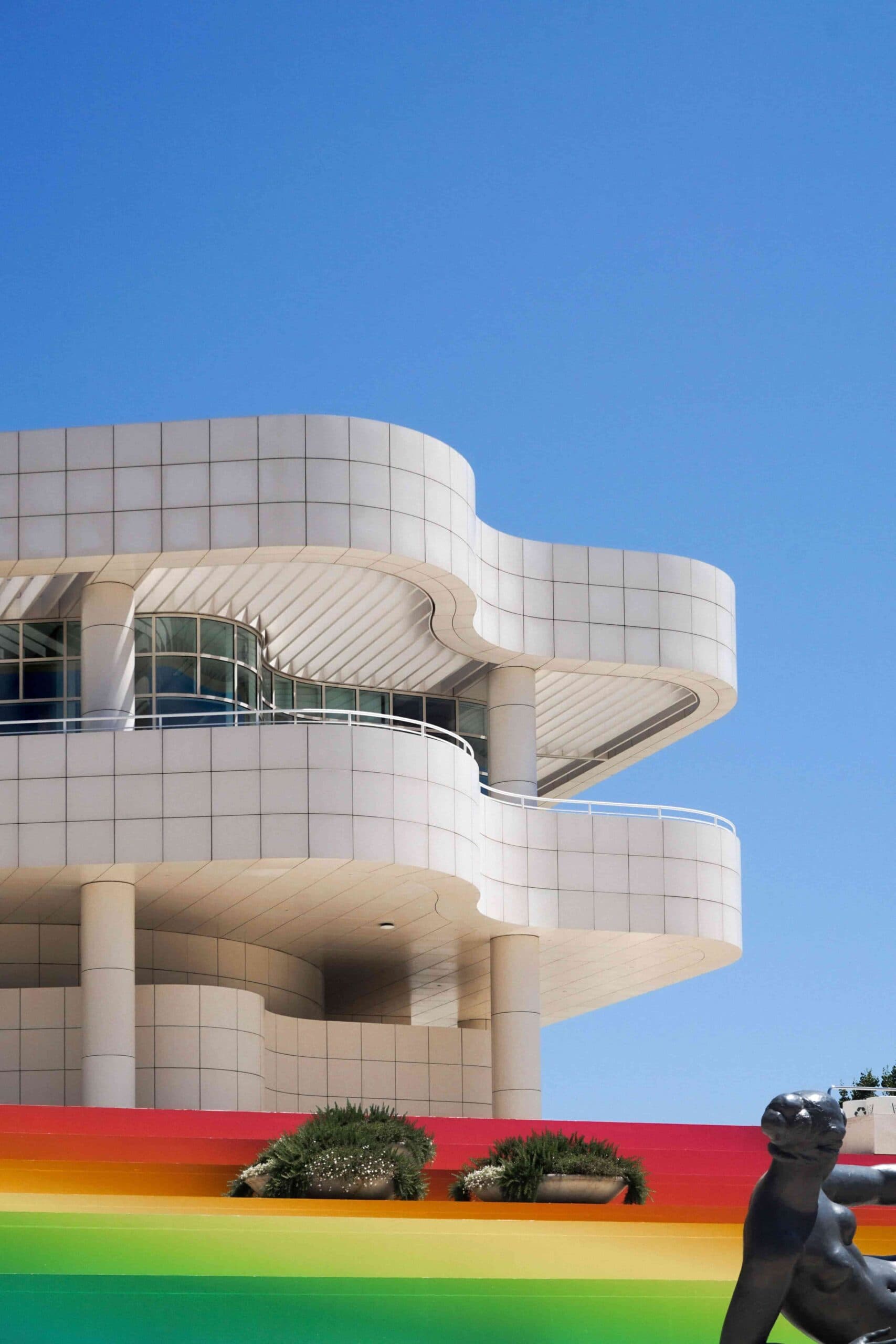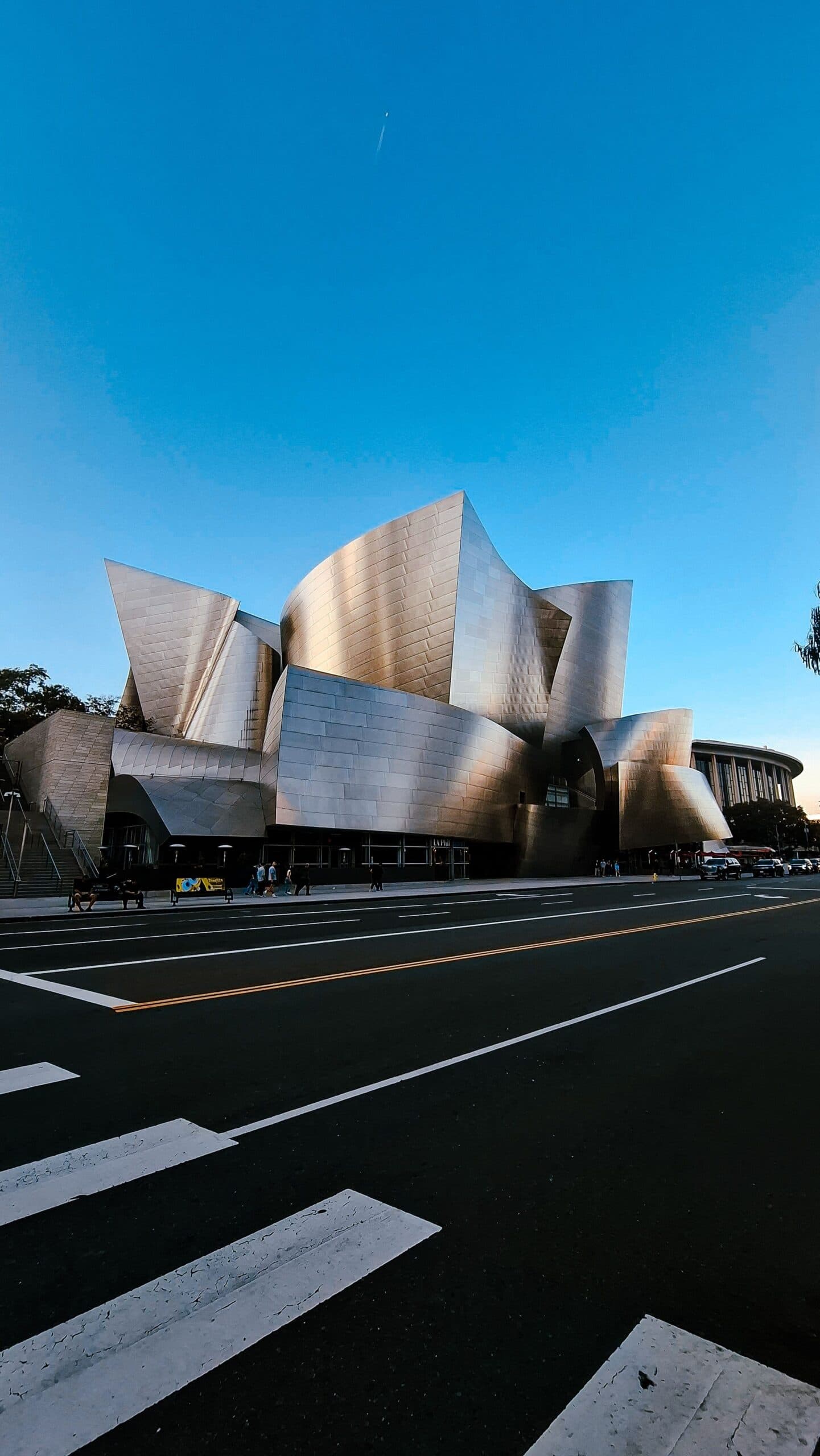
Los Angeles is a city that resists being understood through a single centre, its sprawling, fragmented character stretching from the Pacific coast to the Hollywood Hills, from modernist residences to major cultural institutions. Hollywood Boulevard and Griffith Observatory keep the city’s cinematic history firmly in view, while the Getty Center, Walt Disney Concert Hall and the museums of Museum Row form some of its defining architectural and cultural landmarks. Yet Los Angeles often reveals its true character in the neighbourhoods between these icons.
Downtown Los Angeles is where much of the city’s recent transformation is most visible, bringing historic theatres along Broadway together with contemporary art and gastronomy. In the Arts District, former warehouses and factories have been transformed into galleries, design studios and restaurants, turning the area into one of the city’s creative hubs, while nearby Little Tokyo offers a distinctly different urban rhythm. The reopening of LACMA with the Peter Zumthor-designed David Geffen Galleries in 2026 marked another significant moment in the ongoing transformation of Museum Row along Wilshire Boulevard.
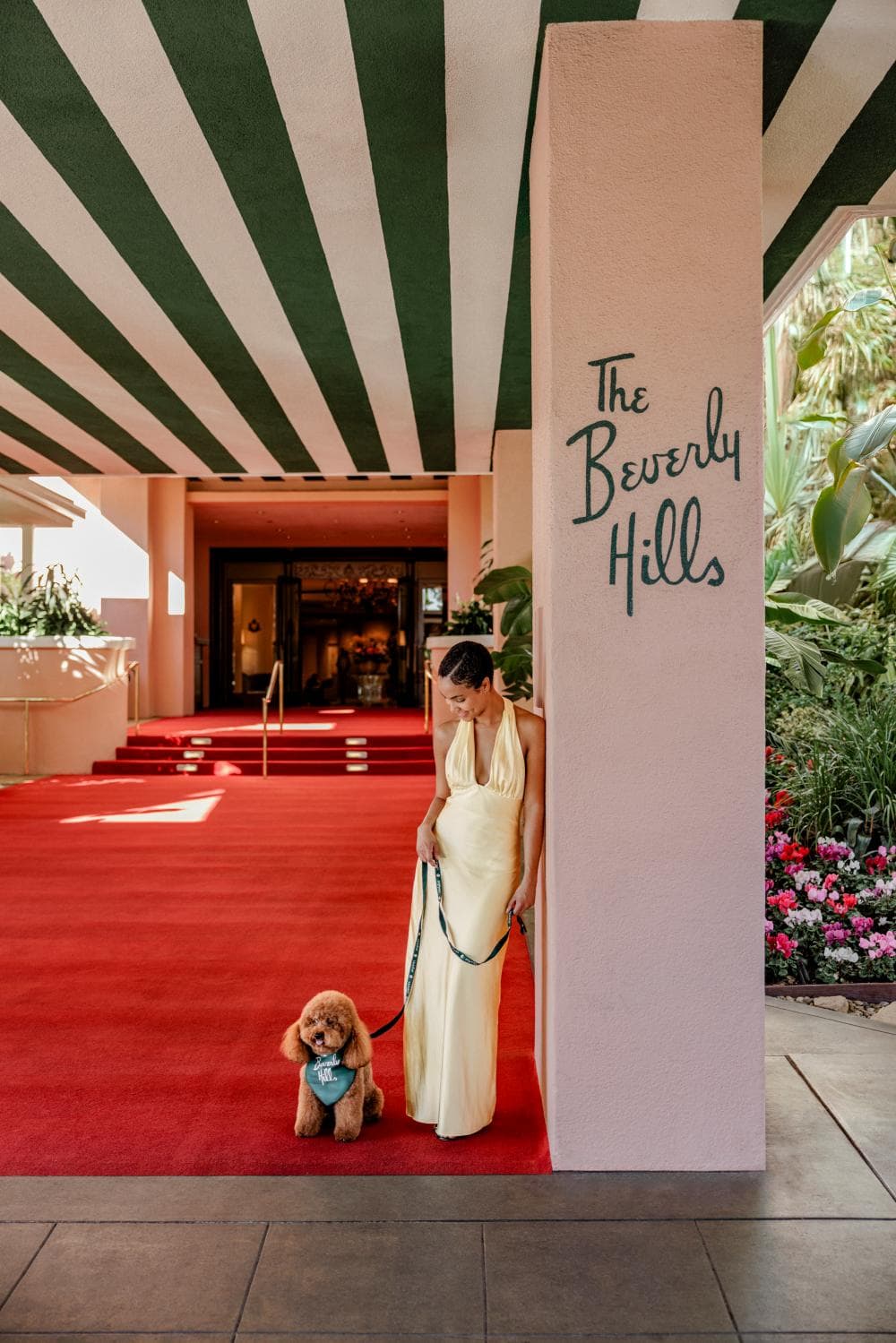
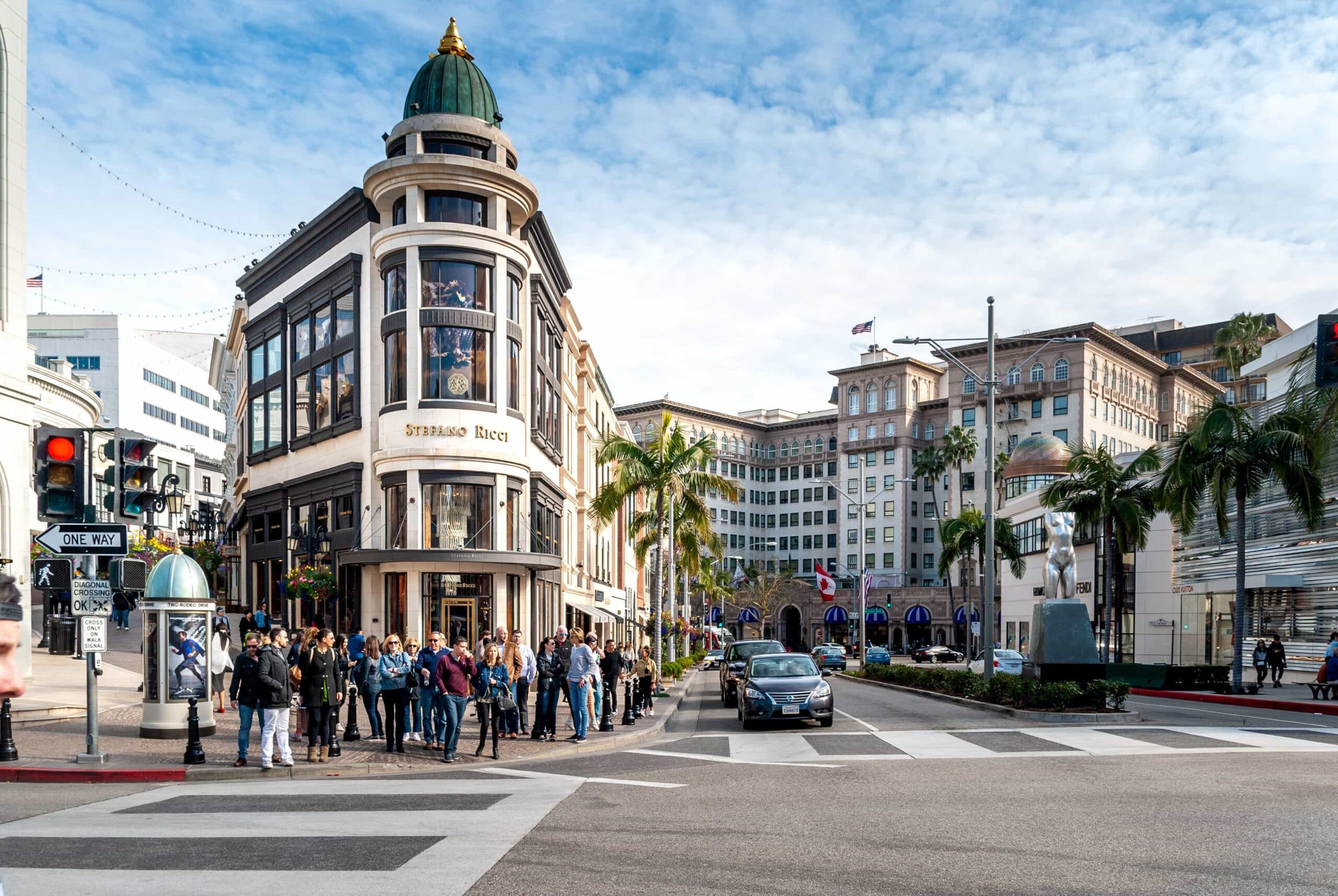
In Los Angeles, city life can shift completely from one neighbourhood to the next. Silver Lake and Los Feliz offer a more local atmosphere shaped by independent shops, cafés and design-led living, while West Hollywood remains a centre for fashion, gastronomy and nightlife. From the beach culture and boutiques of Venice and Abbot Kinney Boulevard to Santa Monica, and from Beverly Hills’ Rodeo Drive to the coastline of Malibu, the route offers different ways to experience the city’s enduring relationship with the Pacific.
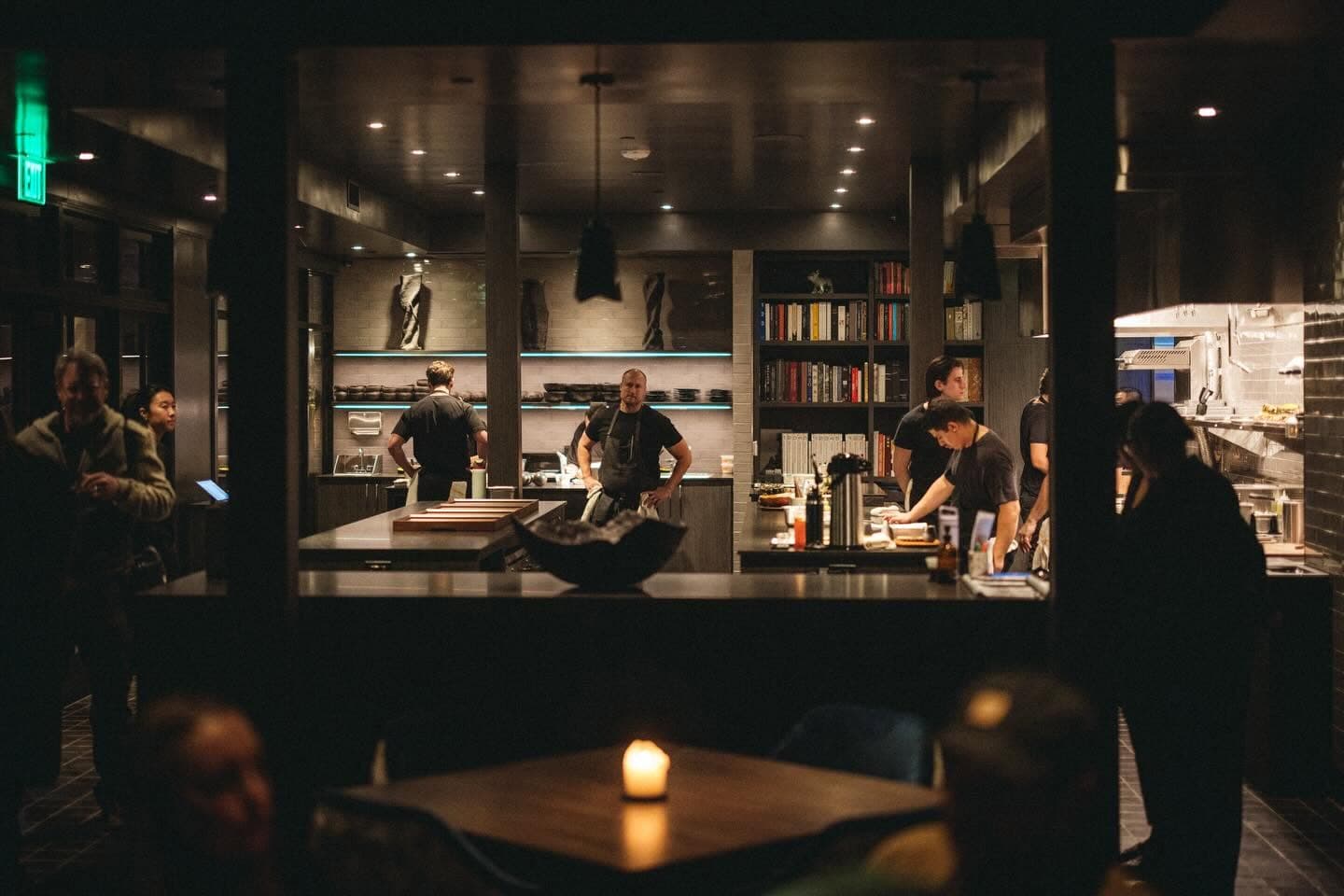
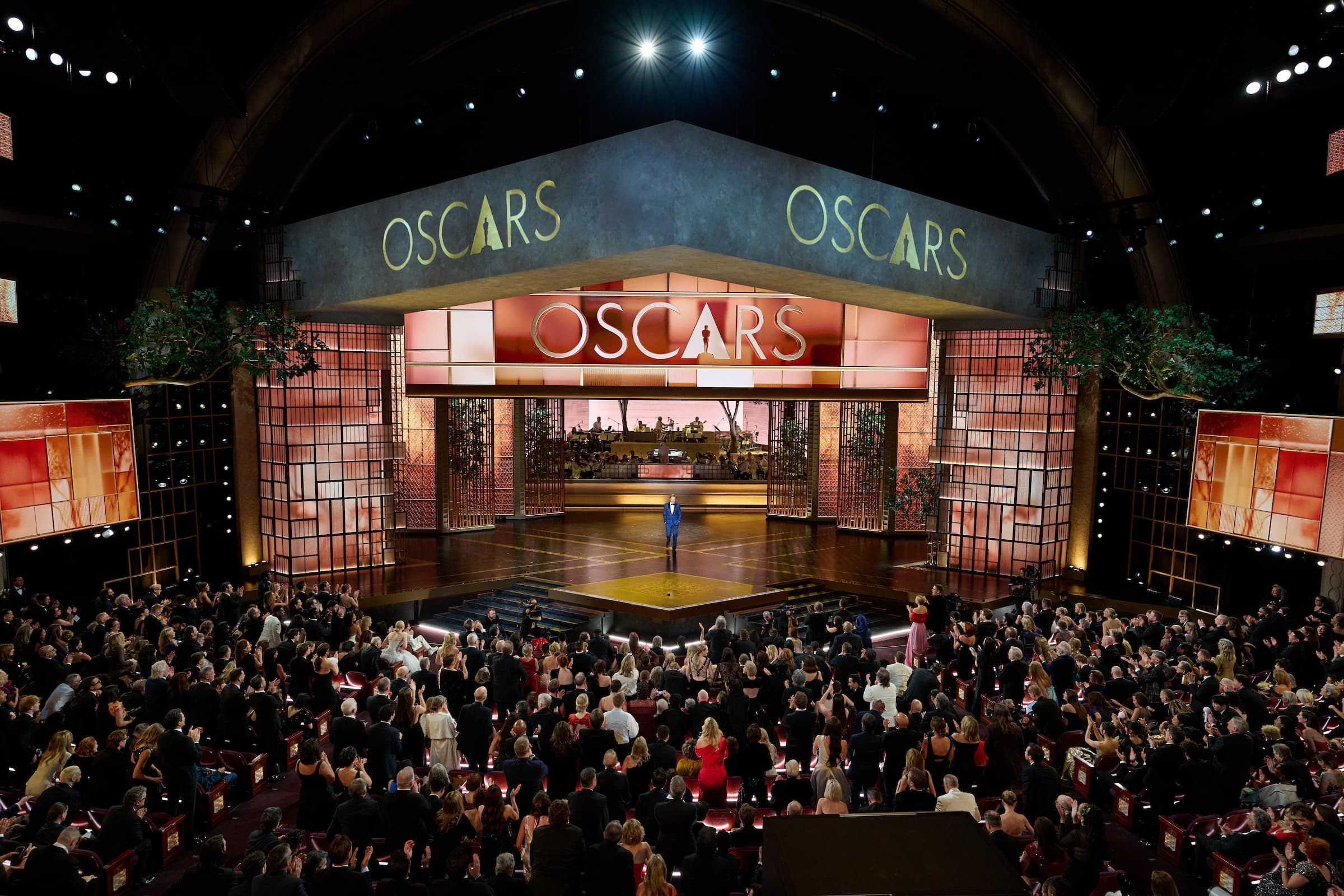
Although cinema remains central to Los Angeles’s cultural memory, contemporary LA is developing an increasingly distinctive identity across art, architecture, fashion and gastronomy. Alongside institutions such as the Academy Museum of Motion Pictures, The Broad, Hauser & Wirth and the Getty, a multicultural food scene stretching from Koreatown to East Los Angeles takes the city far beyond the confines of a single definition of “Californian cuisine”. In 2026, the opening of the MAD Architects-designed Lucas Museum of Narrative Art in Exposition Park adds another significant destination to the city’s cultural map, bringing together cinema, illustration, comics and visual storytelling.
2026 is also a year in which Los Angeles takes another prominent place on the global stage. As part of the FIFA World Cup, SoFi Stadium in Inglewood hosted eight matches, while the city continues its transformation ahead of the 2028 Olympic and Paralympic Games. To discover Los Angeles is to do more than see the Hollywood sign or follow the Pacific coast; it is to move between neighbourhoods that feel worlds apart, experiencing a metropolis where cinema, architecture, art and everyday life are constantly being reshaped.