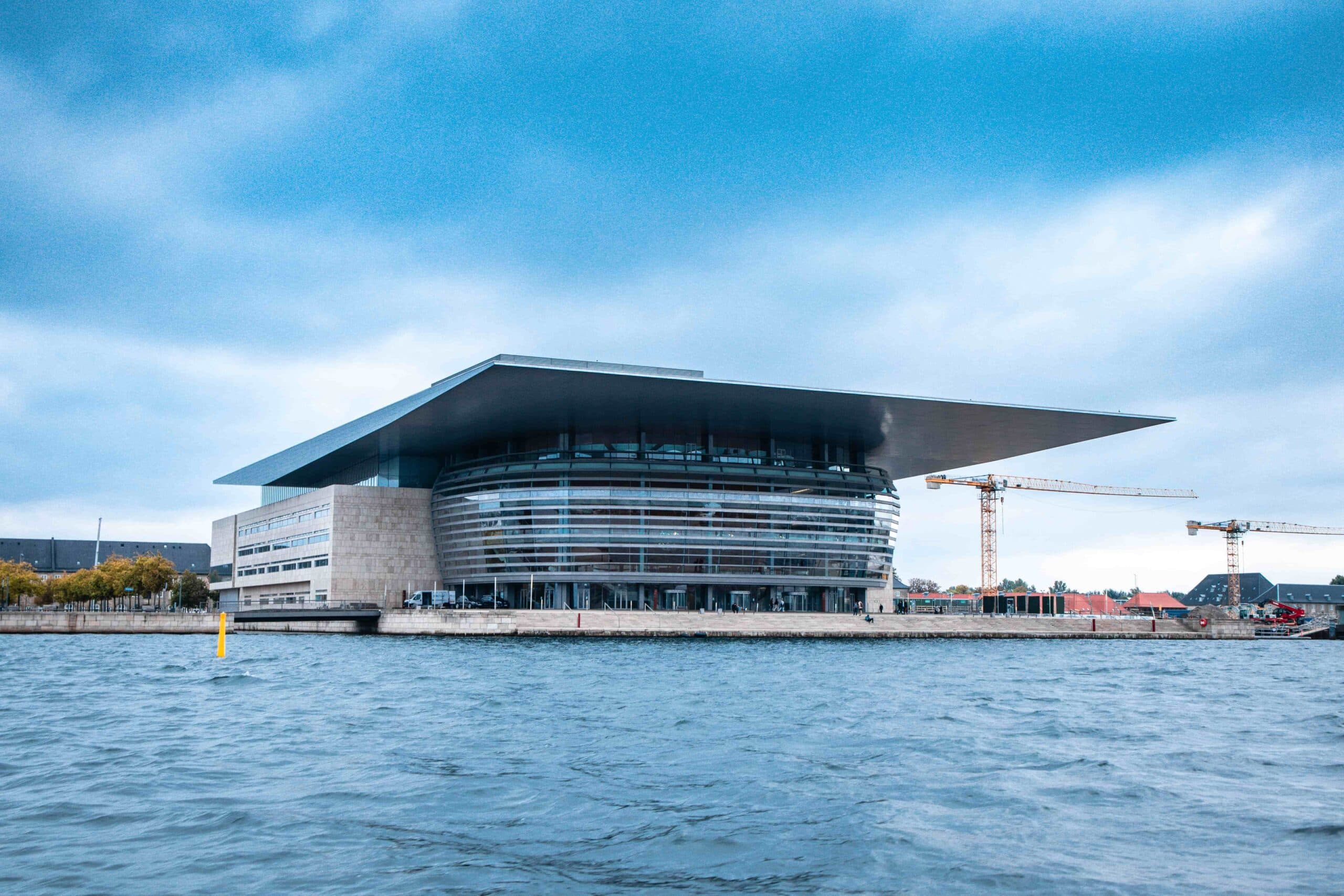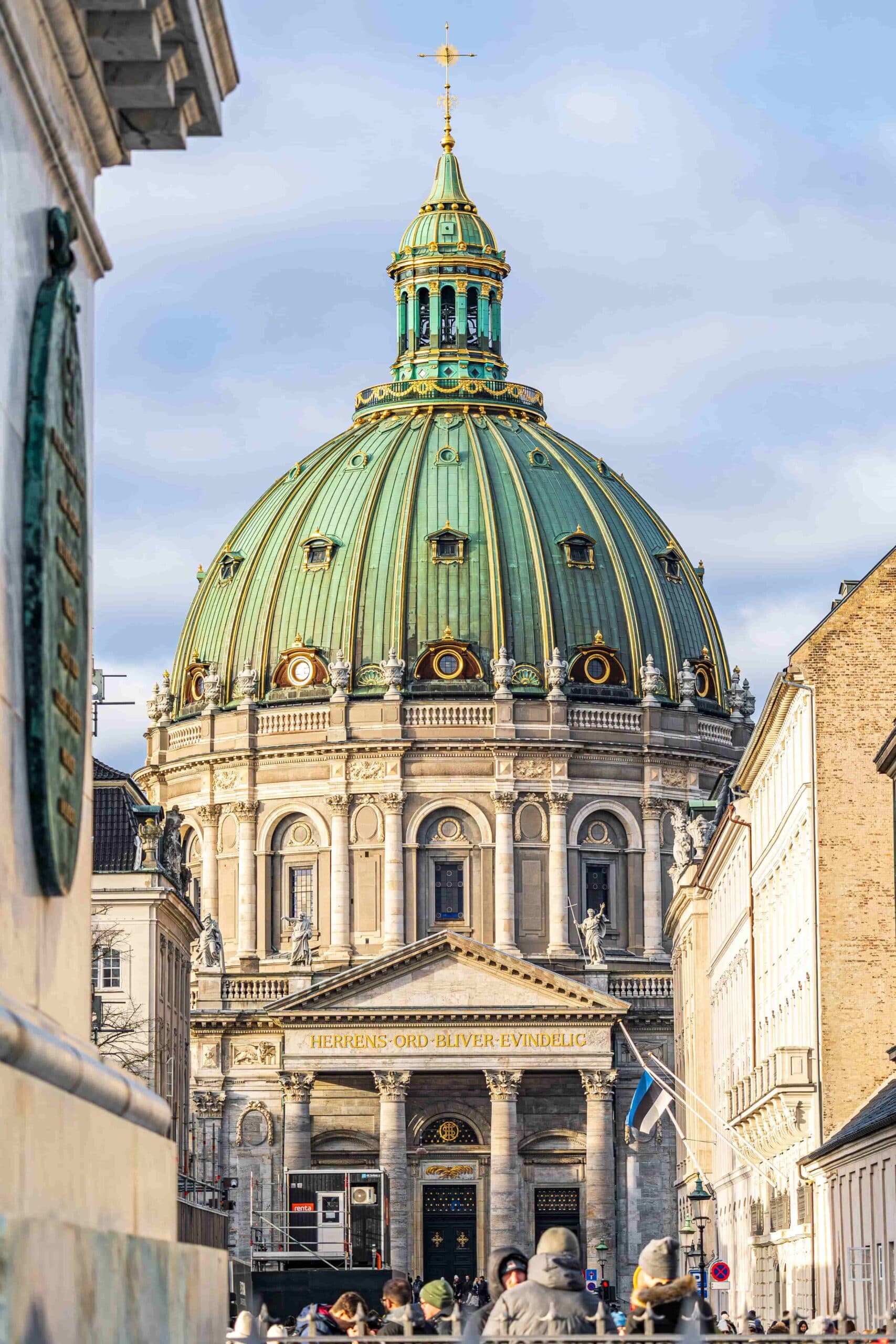
Copenhagen is one of Europe’s most forward-thinking capitals, where historic character, contemporary design and sustainability are woven into everyday life. Its canals, royal palaces and centuries-old buildings preserve the city’s heritage, while new cultural institutions, regenerated harbour districts and experimental architectural projects reveal a capital in constant evolution. Named UNESCO-UIA World Capital of Architecture for 2023–2026, Copenhagen does more than preserve its architectural heritage; it continually reinterprets it in response to the needs of contemporary life.
Some of the city’s most striking transformations can be found in its former industrial and harbour districts. Once home to warehouses and shipyards, Nordhavn has evolved into one of Copenhagen’s newest urban quarters, with contemporary housing, design studios, waterfront swimming areas and repurposed industrial buildings. The Silo, transformed from a former grain silo into a striking contemporary structure, and Konditaget Lüders, a public sports facility built on the roof of a car park, reflect the city’s inventive approach to architecture. Across the harbour, Refshaleøen offers a rawer, younger and more experimental cultural landscape, home to Copenhagen Contemporary, independent workshops, concert venues and the Reffen street-food market.
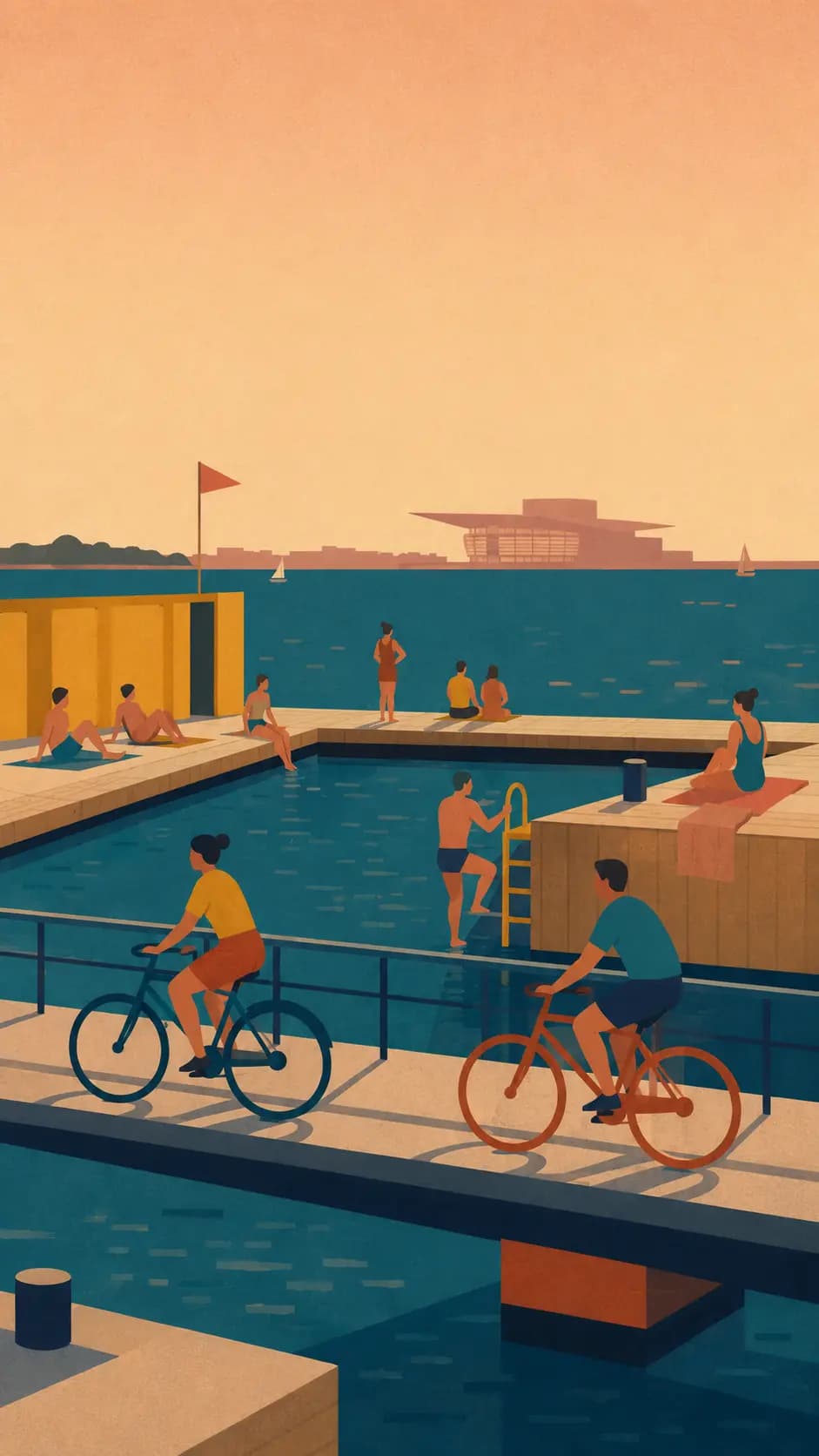
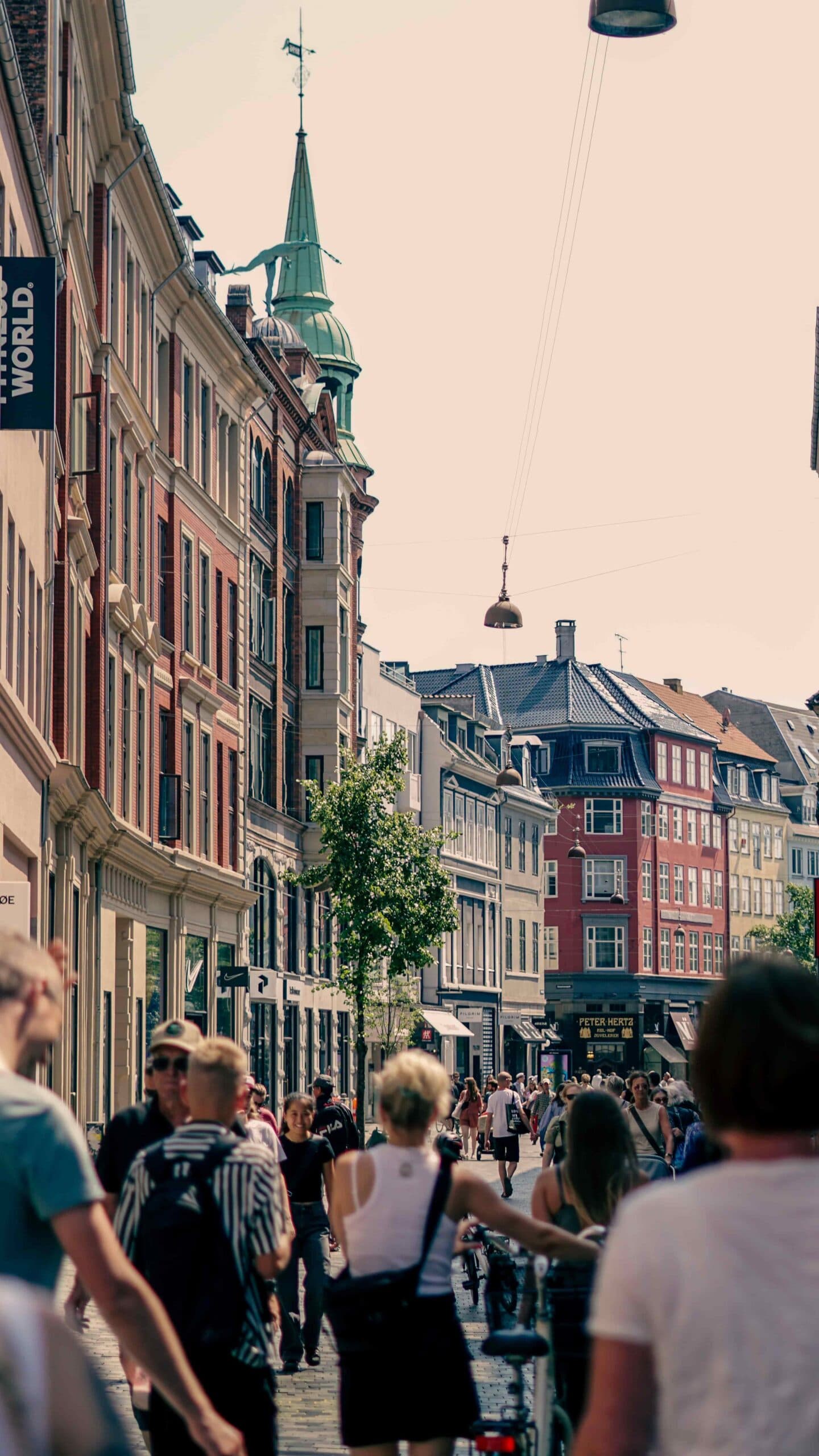
In Copenhagen, modern urban life is shaped not only by buildings, but by the way the city is used. Extensive cycle lanes, pedestrianised streets and an efficient public transport network are integral to everyday life. During the summer months, harbour baths such as Islands Brygge and Sandkaj become popular open-air gathering places, while CopenHill offers skiing, hiking and climbing on the roof of a working waste-to-energy facility. The city’s 2035 climate strategy further aims to reduce Copenhagen’s environmental impact across areas ranging from construction to consumption.
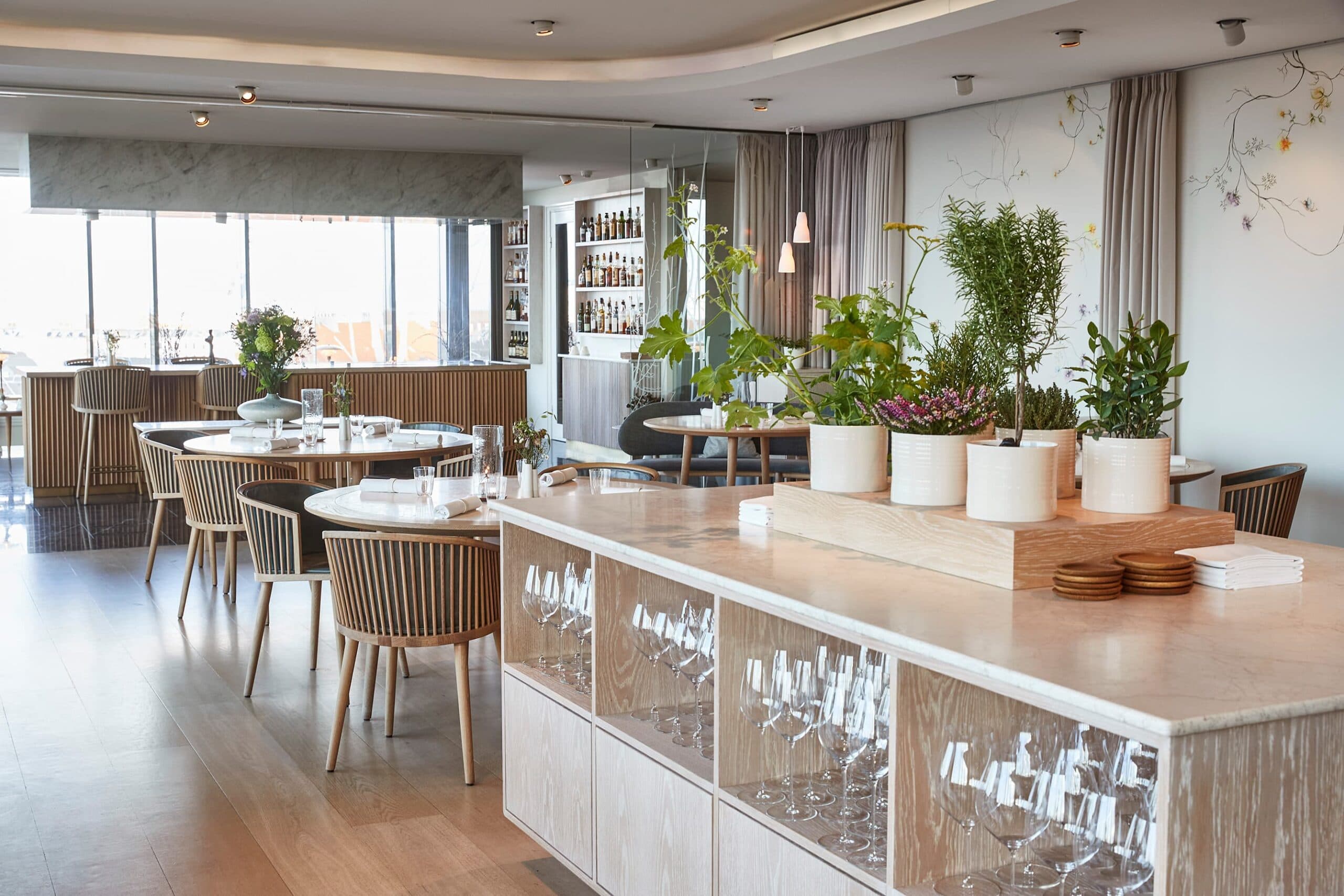
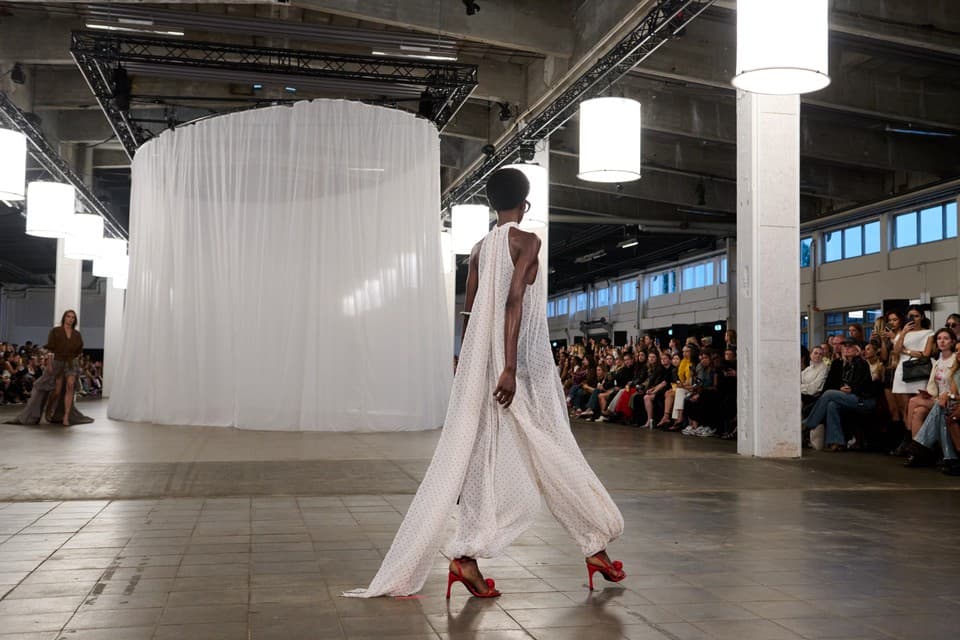
The city is equally influential in gastronomy, fashion and design, serving as one of the defining centres of contemporary Scandinavian culture. The influence of New Nordic cuisine extends well beyond fine-dining restaurants, finding its way into neighbourhood bakeries, coffee shops, organic markets and creative street-food spots. The multicultural energy of Nørrebro, the independent spirit of Vesterbro and the quieter urban character of Frederiksberg reveal Copenhagen’s varied rhythms. In 2026, the year-round CopenPay programme is turning sustainability into a tangible part of the visitor experience, offering various experiences in return for conscious choices such as cycling, using public transport or contributing to environmental initiatives.
Copenhagen is where past and future, industrial heritage and progressive design, urban life and nature meet in a considered balance. To discover the city is not simply to see the colourful houses of Nyhavn and its historic palaces, but to swim in the harbour, cycle between neighbourhoods and experience how contemporary urban life can be made more functional, creative and liveable.