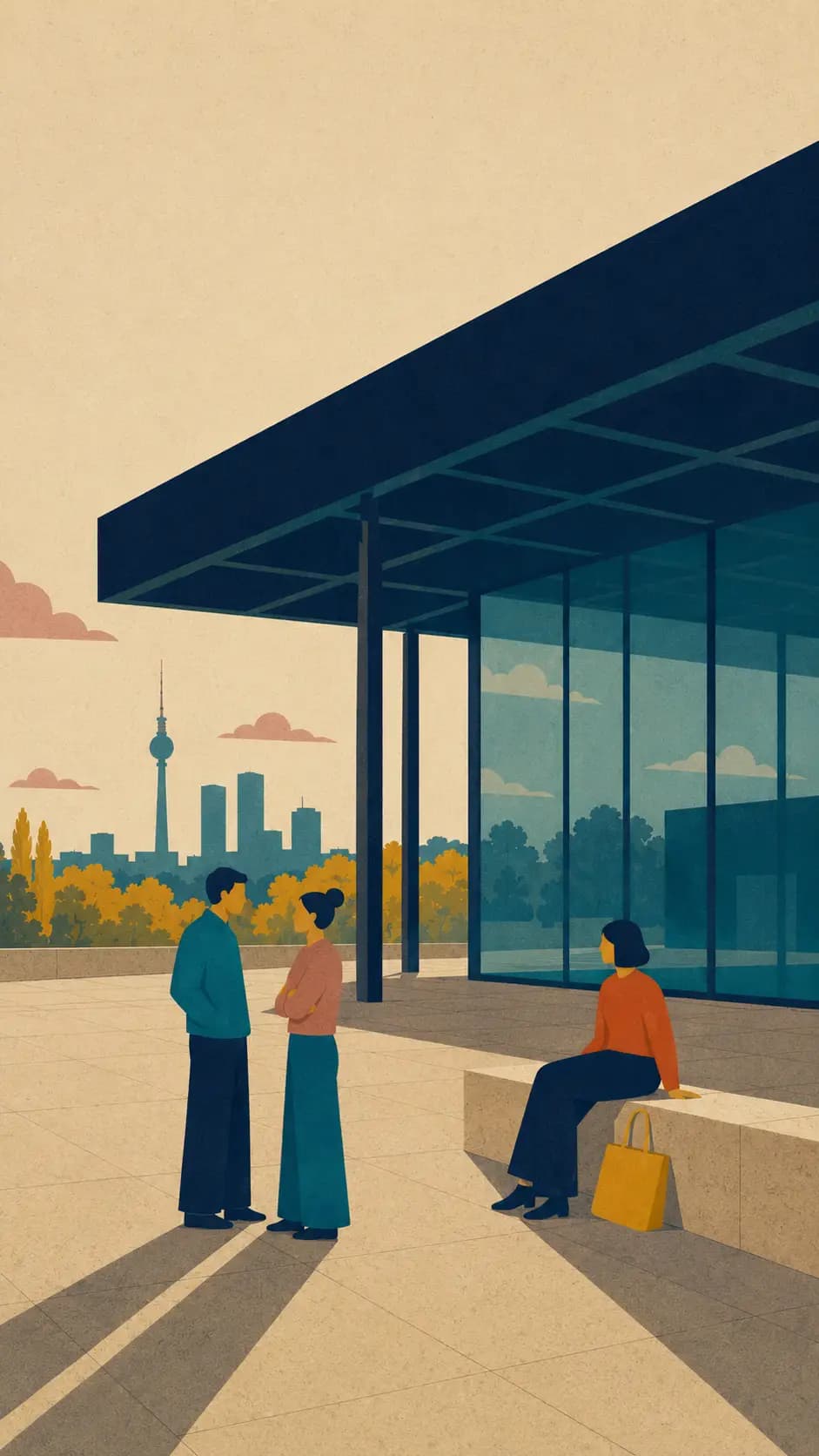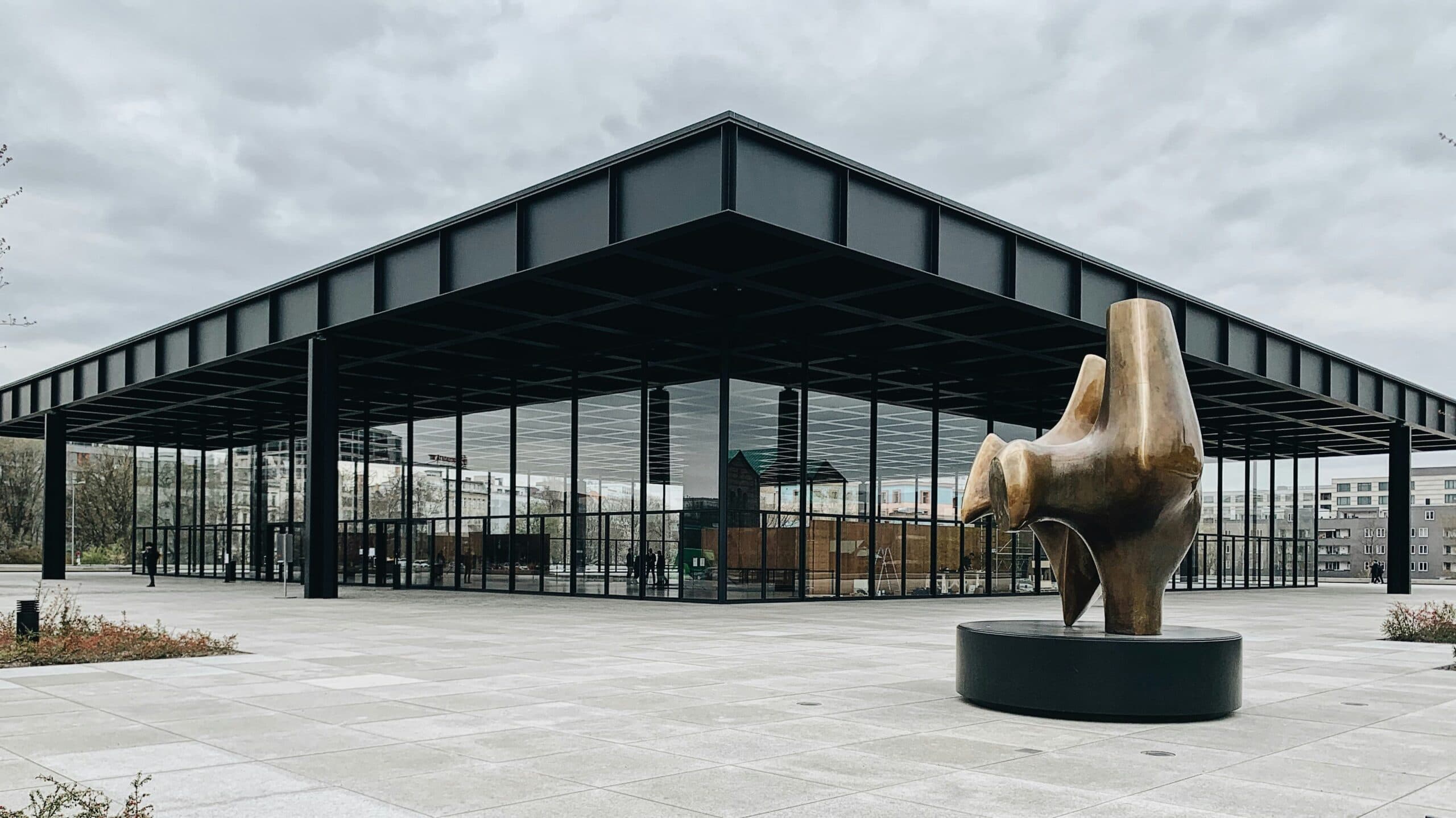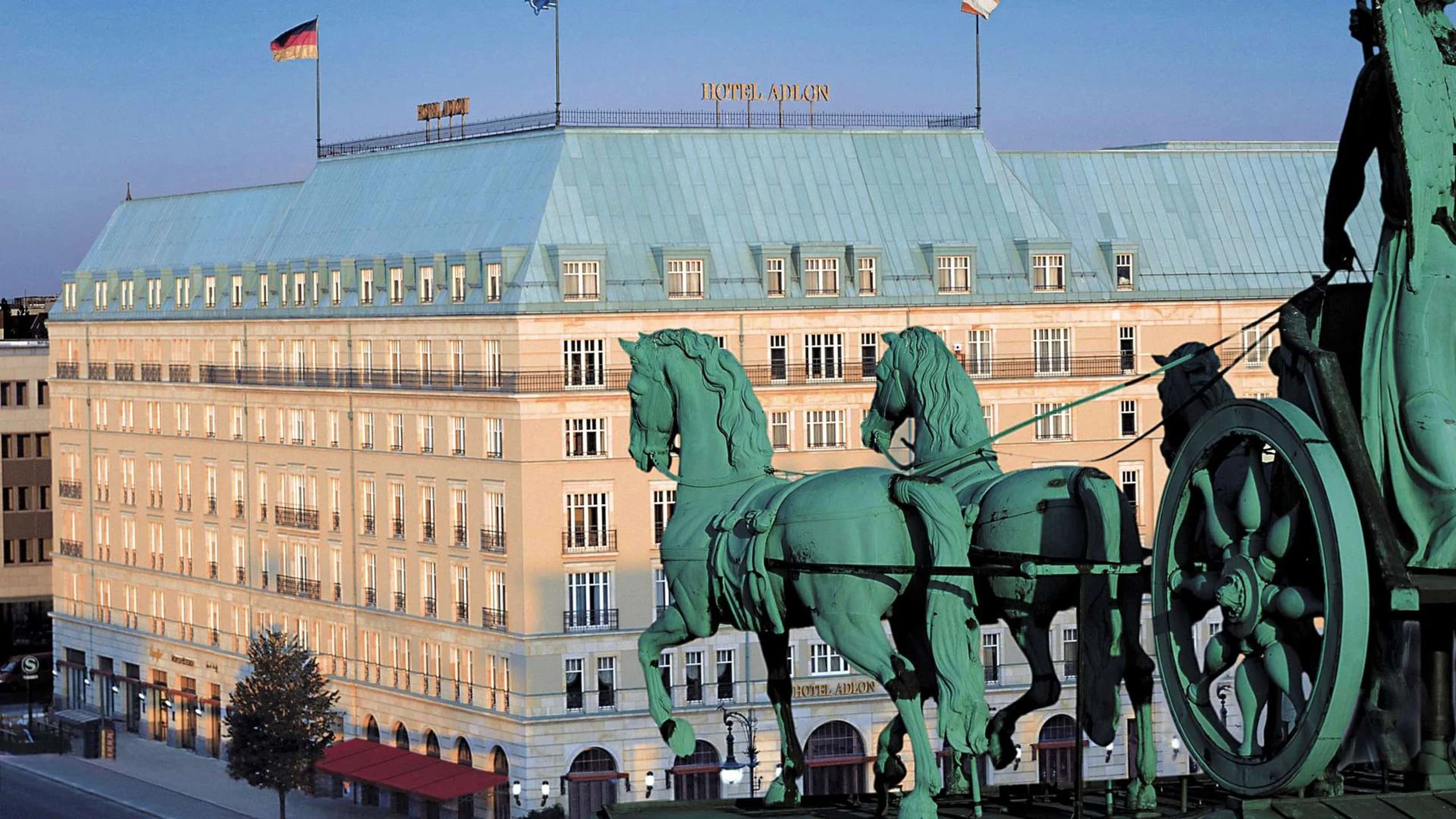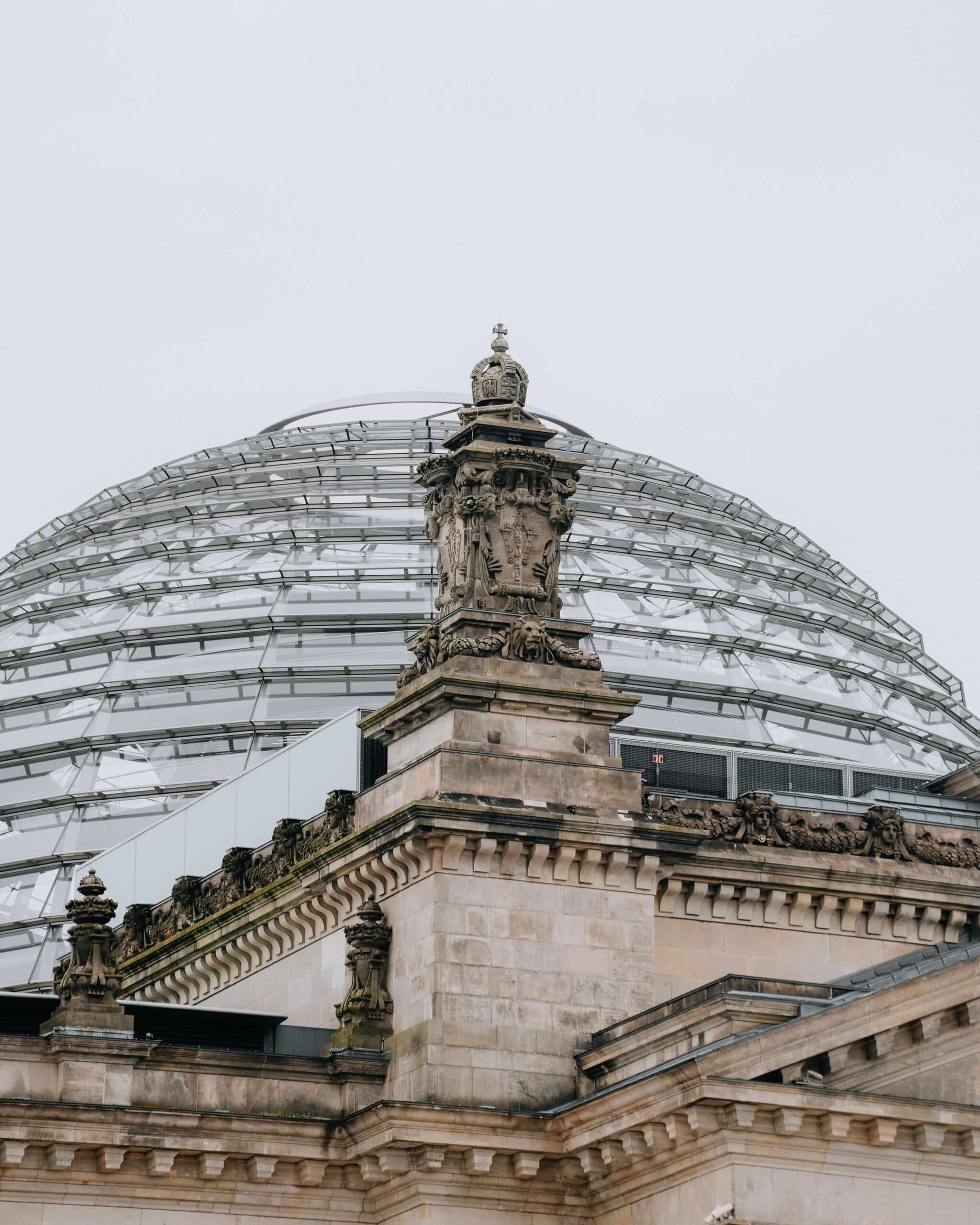
In Berlin, different chapters of the city’s history – from Prussian palaces and the legacy of the Bauhaus to the scars of war, contemporary art and a famously vibrant nightlife – coexist within the same urban fabric. The Brandenburg Gate, Reichstag and Museum Island, a UNESCO World Heritage Site, define much of the city’s historic identity, while the Neue Nationalgalerie, Hamburger Bahnhof and the architecture around Potsdamer Platz reflect Berlin’s modern cultural and architectural landscape.
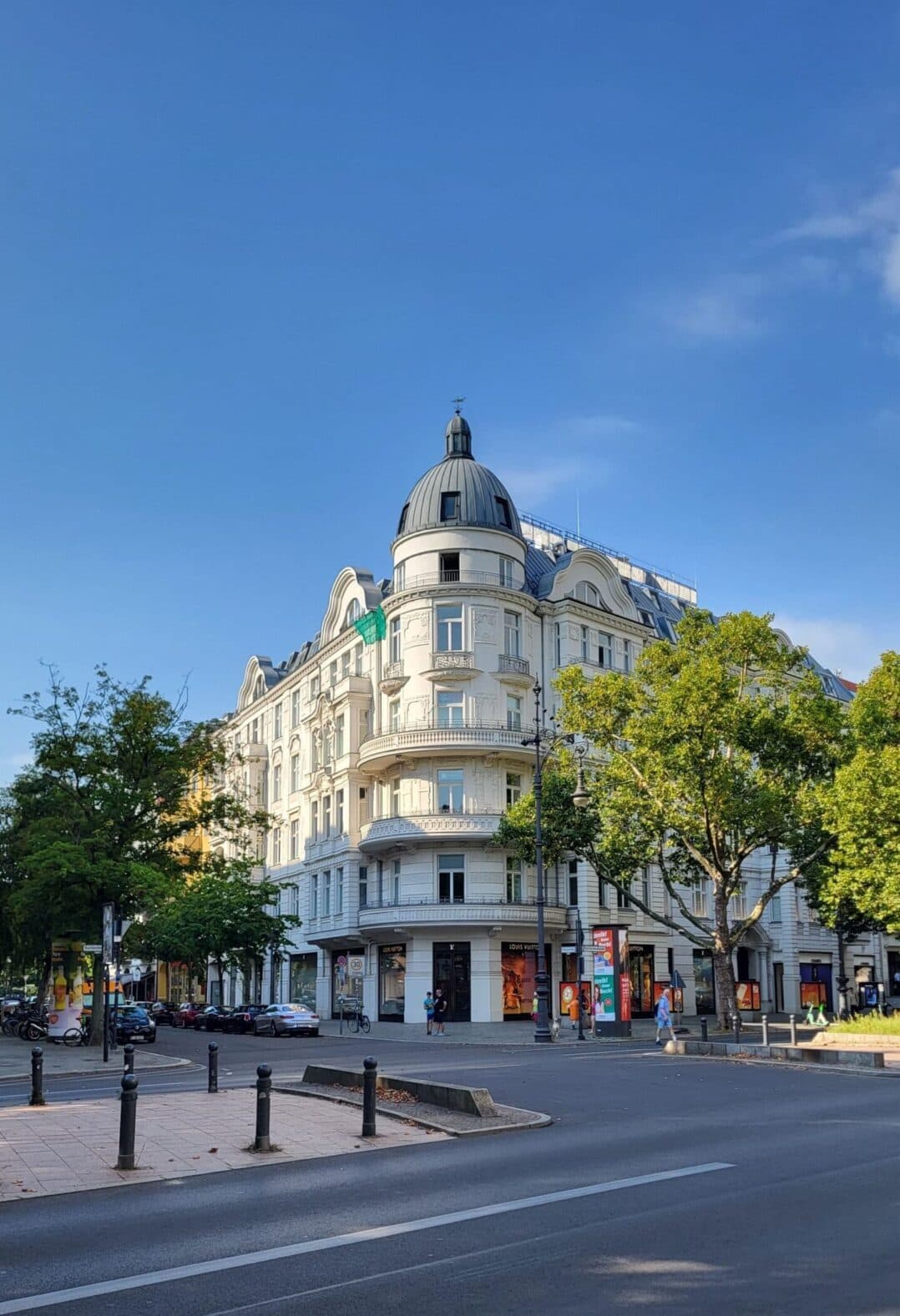
What gives the city much of its character, however, is the distinct personality of its neighbourhoods. Mitte brings galleries, museums and historic landmarks together, while Kreuzberg and Neukölln offer a more energetic side of Berlin, shaped by independent restaurants, creative spaces and a distinctly multicultural atmosphere. The classic West Berlin elegance of Charlottenburg, the luxury boutiques of Kurfürstendamm and the expansive green spaces of Tiergarten complete the city’s quieter, more polished side.
2026 is a particularly strong year for Berlin’s cultural and design calendar. As the city marks the 20th anniversary of its designation as a UNESCO City of Design, the Neue Nationalgalerie is hosting the first major Brancusi exhibition in Germany in more than half a century, while Hamburger Bahnhof is celebrating its 30th anniversary with an extensive programme of contemporary art. Following a six-year restoration, the Hohenzollern Crypt at Berlin Cathedral has also reopened, adding a new stop to the city’s historic circuit. Berlin is a European capital where art, architecture, fashion, gastronomy and music remain deeply woven into an ever-changing urban culture – ensuring that every visit reveals a different side of the city.